 Whatcom County
 Windows Built for What Happy Valley Weather Actually Does
Happy Valley sits close enough to the water and the marine air pattern that its homes take a different kind of beating than houses further inland in Whatcom County. It's not one big storm that wrecks a window — it's the slow, steady combination of salt-laden air, wind-driven rain that hits siding and window assemblies sideways instead of straight down, and a moss and mildew season that can run eight or nine months out of the year. Windows here don't usually fail with a bang. They fail quietly, at the seams, over several winters.
When we replace windows in this neighborhood, we're not just swapping glass and frames for something newer-looking. We're addressing the specific ways local moisture gets in: through failed flashing, through old sealant that's gone brittle from UV and salt exposure, and through wood trim that's been slowly absorbing water for years without anyone noticing until the drywall inside starts to bubble.
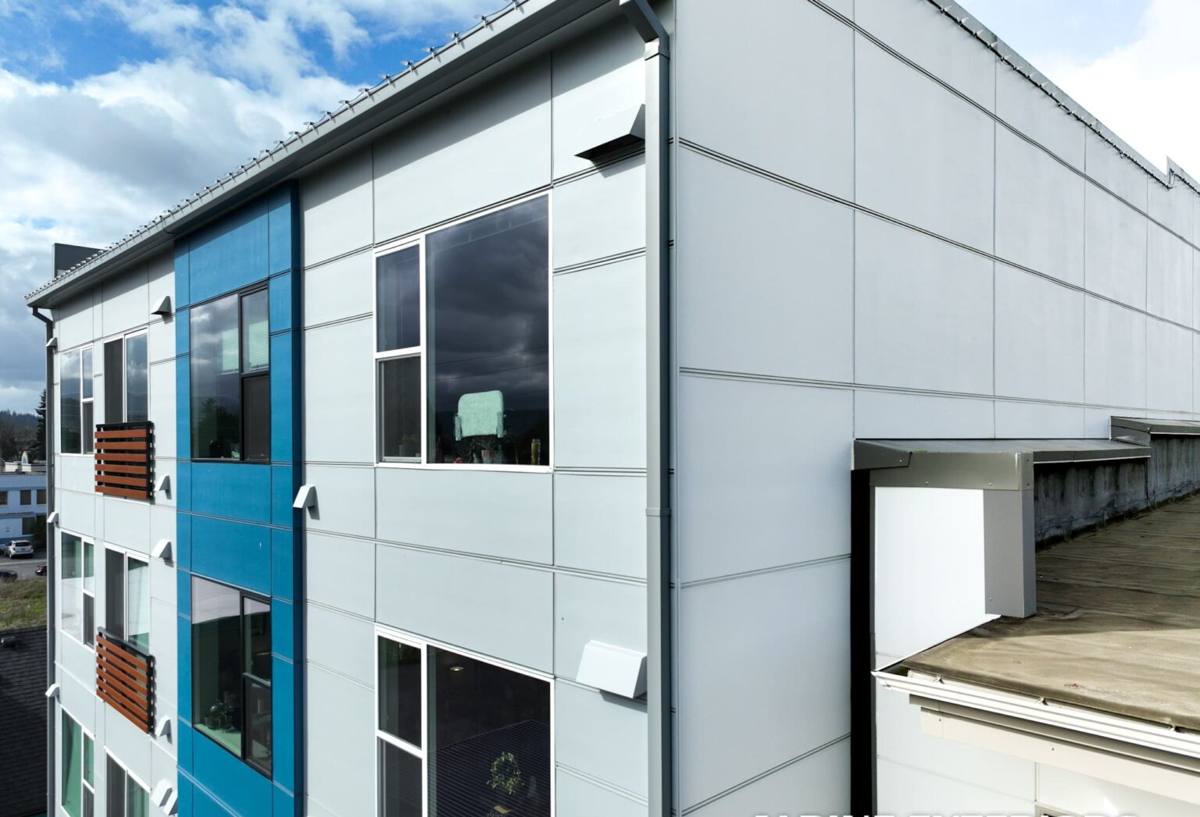
What Happy Valley Homes Are Actually Dealing With
Salt Air and Metal Fatigue
Proximity to salt water accelerates corrosion on window hardware — hinges, cranks, balance mechanisms, and especially aluminum frames that weren't built with a marine-grade finish. If your windows are getting hard to open and close, or the locks feel gritty, that's often salt air working on the metal parts long before the glass itself is the problem.
Driving Rain and Wind-Loaded Water
Whatcom County storms frequently push rain horizontally, which means water gets forced up and under window flanges in a way that vertical rain never would. A window that's watertight in a light drizzle can still leak during a wind event if the flashing detail behind the trim wasn't done correctly the first time. This is one of the most common issues we find opening up old window openings in this area — the window itself may be fine, but the flashing behind it was never installed to handle sideways water.
Moss, Mildew, and Trapped Moisture
A long damp season means anything that holds moisture against wood — old caulk joints, clogged weep holes, moss buildup on sills — stays wet for a lot longer here than it would in a drier climate. That extended wet time is what causes rot, not any single rainstorm. Wood window sills and jambs in Happy Valley homes are especially vulnerable if they haven't been recoated or resealed in several years.
Signs Your Windows Need Replacing (Not Just Repair)
- Fog or moisture between the panes of double-pane glass — the seal has failed and can't be fixed, only replaced
- Soft or spongy wood at the sill, bottom corners, or trim, especially on walls that face prevailing weather
- Visible gaps, drafts, or daylight around the frame when the window is closed
- Windows that are difficult to open, close, or lock — often a sign of frame warping or hardware corrosion
- Paint or finish that's peeling or bubbling on interior trim near the window, which usually means moisture is getting in behind it
- Noticeably higher heating bills with no other explanation, especially in older single-pane or early double-pane windows
- Condensation on the inside of the glass regularly, even with normal ventilation
Some of these are repair situations. Fogged glass and rotted sill wood are not — once the seal is gone or the wood structure is compromised, replacement is the honest recommendation, not a patch that buys you another year or two.
What a Correct Window Replacement Involves
The window unit itself is maybe half the job. The other half — and the part that determines whether the new window actually performs in our climate — is everything around it.
Removal Without Hidden Damage
We remove the old window carefully and inspect the opening before anything new goes in. This is where we find out if there's rot in the framing, whether old flashing was installed correctly, and whether the sheathing behind the window has taken on water over the years. Skipping this step is how a new window ends up leaking within a year or two — the new unit was sealed against a compromised opening.
Flashing and Water Management
Proper flashing — installed in the right order, lapped correctly so water sheds outward and downward — is the single most important part of the install for a climate like ours. A window with excellent glass and a poor flashing job will still leak. A window with modest glass and correct flashing will keep water out for decades.
Sealing and Insulation
We seal the gap between the window frame and the rough opening with appropriate insulation and sealant — not just caulk around the outside trim, which is a cosmetic fix, not a weatherproofing one. Air and moisture both need to be stopped at multiple points, not just one.
Trim and Finish Work
Exterior trim gets reinstalled or replaced with material suited to constant damp exposure, and finished in a way that sheds water rather than absorbing it. This is where a lot of corner-cutting happens on cheaper jobs, and it's usually the first thing to fail.
Choosing Materials for This Climate
| Frame Material | How It Handles Local Conditions | Maintenance |
|---|---|---|
| Vinyl | Good moisture and salt-air resistance, won't rot or corrode; performance varies by manufacturer quality | Low — occasional cleaning |
| Fiberglass | Excellent dimensional stability in temperature and moisture swings, strong resistance to warping | Low |
| Aluminum | Prone to corrosion in salt air over time unless it's a marine-grade or well-coated product | Moderate to high near the water |
| Wood (clad exterior) | Attractive, but the exterior cladding must be intact and well-sealed to keep moisture off the wood core | Higher — needs periodic inspection of seals |
We don't push one frame material as a blanket answer, because the right choice depends on your home's exposure, your budget, and how it's finished on the exterior. What we do steer people away from is unclad aluminum in directly exposed, salt-air locations — not because it's a bad product everywhere, but because the long-term corrosion risk here doesn't match the maintenance most homeowners want to sign up for. That's our standard, based on what we see failing in this specific area, not a claim about the product in general.
Glass Options Worth Considering
Double-pane, low-E glass is close to standard now and makes sense for most Happy Valley homes given our mild-but-damp winters. Triple-pane adds cost and is more of an energy/noise decision than a moisture one — worth discussing if you're on a busier road or particularly focused on heating costs, but not a requirement for weatherproofing in this climate.
Our Process for a Happy Valley Window Replacement
- On-site assessment — we look at every window being considered, check for rot, drafts, and flashing condition, and give you an honest read on what's repair-worthy versus what needs replacing
- Written estimate — clear pricing per window, materials specified, and no vague allowances
- Scheduling around weather — we plan installs to minimize how long any opening sits exposed, which matters more here than in drier climates
- Removal and opening inspection — old windows come out, and we address any hidden rot or flashing issues we find before anything new goes in
- Installation — window set, flashed, sealed, and insulated to spec
- Trim and finish — exterior trim completed and finished for long-term water resistance
- Final walkthrough — we check operation, sealing, and cleanup with you before calling it done
Why Local Experience in Happy Valley Matters
A window replacement crew that mostly works drier inland regions can install a technically correct window and still miss the details that matter here — because they're used to a climate where sloppy flashing doesn't get tested by wind-driven rain every few weeks. Working regularly in Whatcom County, including Happy Valley specifically, means we already know which exposures take the worst weather, what kind of rot patterns show up in homes of different ages, and how long materials actually hold up once salt air and moss season get a few years to work on them. That's not something you can fully substitute with a general contractor's checklist — it comes from having opened up enough local walls to know what's usually behind them.
Cost Factors to Expect
| Factor | Why It Affects Price |
|---|---|
| Window size and type (fixed vs. operable, standard vs. custom shape) | Larger and custom units cost more in both materials and labor |
| Frame material | Vinyl is typically the most economical; fiberglass and clad-wood run higher |
| Extent of rot or flashing repair needed | Hidden damage found during removal adds labor and material cost, but skipping it isn't a real savings |
| Number of windows done at once | Doing multiple windows in one project often reduces per-window labor cost |
| Trim and exterior finish work | Full trim replacement costs more upfront but holds up better long-term in this climate |
We don't quote hard numbers without seeing the home, because the condition behind the old window — not just its size — is often the biggest cost driver. What we can tell you upfront is that skipping proper flashing or trim work to save money on the front end is the most common cause of window replacements that need redoing within a few years.
If your windows in Happy Valley are drafty, fogged, hard to operate, or showing soft wood at the sill, we're happy to come take a look and give you a straightforward, no-pressure estimate — fill out the form below and we'll get in touch.