 Whatcom County
 Columbia's Exterior Challenge: Salt Air Meets Marine Rain
Homes in the Columbia neighborhood sit close enough to the water and the weather patterns that come with it that exterior materials get tested every single year, not just during the occasional storm. Whatcom County's marine climate means near-constant humidity, long stretches of drizzle, and enough salt-tinged air off the bay to accelerate corrosion on fasteners, trim, and anything with a weak factory finish. Add in the region's famously long moss season — the wet months stack up from fall through spring with barely a dry gap — and you have an environment where siding either holds up or starts showing its age within a handful of years.
We've worked on homes throughout this part of Whatcom County long enough to know the failure pattern by heart: north-facing walls that never fully dry out, trim boards that swell at the joints, and paint film that starts chalking and peeling well before a homeowner expected to think about it again. None of this is unusual for the area. It's just what the Pacific Northwest does to a house, and it's exactly why the products we choose to install matter as much as the workmanship.
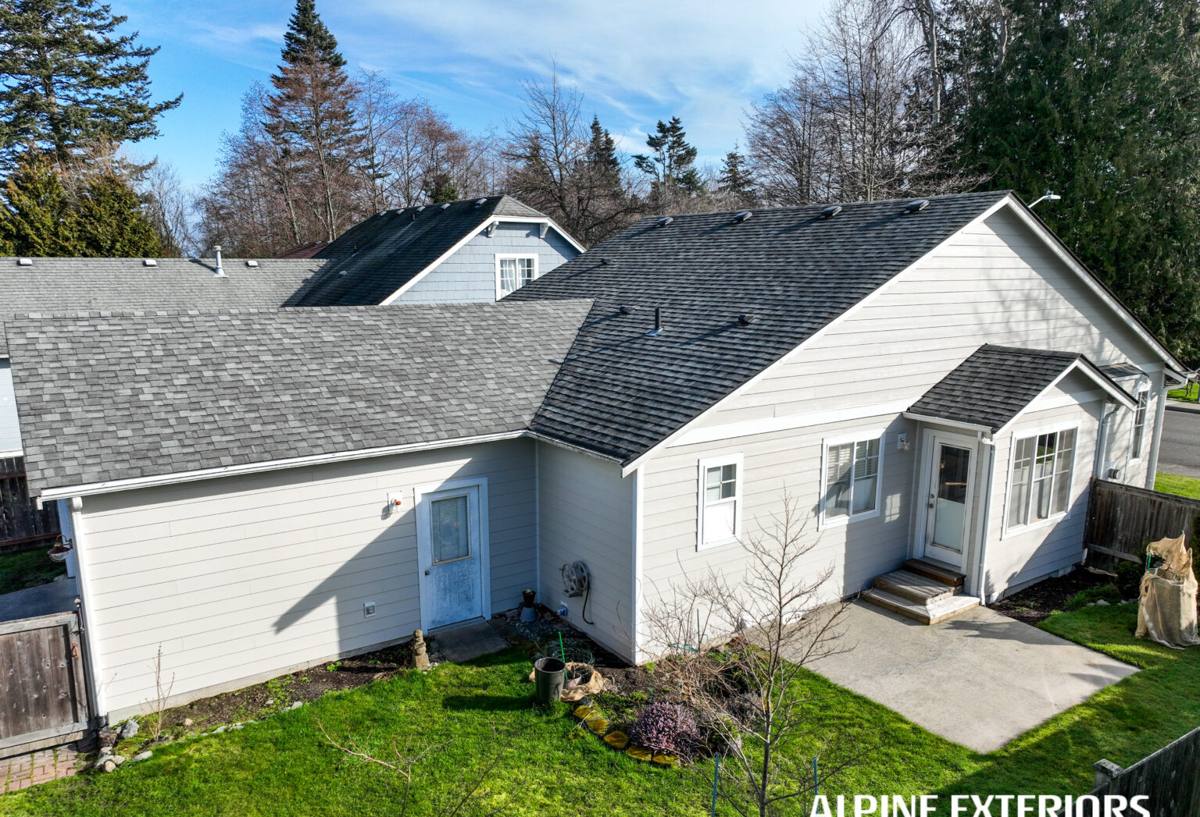
Why Columbia's Housing Stock Needs the Right Material, Not Just a Fresh Coat
Many homes in this part of Whatcom County are older wood-frame construction, some with siding that was already replaced once or twice since the house was built. That history matters. A wall assembly that has taken on moisture in the past, or one with older flashing details, needs a siding system that can shed water reliably and won't trap what does get in. It also needs a factory finish that isn't relying on a homeowner's repainting schedule to survive the next decade of rain.
This is the core reason our company installs only James Hardie fiber cement siding. We don't offer LP SmartSide, vinyl, Cemplank, Allura, primed spruce, or cedar — not because those products can't be installed correctly somewhere, but because we've made a professional decision about what performs best, with the least long-term maintenance burden, in exactly the climate Columbia and the rest of Whatcom County deal with.
What We're Actually Comparing
| Factor | Wood / Engineered Wood | Vinyl | James Hardie Fiber Cement |
|---|---|---|---|
| Moisture response | Can swell, rot, or delaminate at exposed edges over time | Doesn't absorb water, but can warp or crack under temperature swings | Non-combustible cement composite, engineered to resist moisture-related swelling |
| Finish durability | Relies on paint or factory coating; repainting cycles are common | Color is molded in but can fade and chalk with UV exposure | ColorPlus factory finish baked on and warrantied against fading and peeling |
| Moss and algae resistance | Textured wood grain can hold moisture, encouraging growth | Smooth surface sheds moisture but seams can trap debris | Dense, engineered surface sheds water and resists the moss buildup common on shaded, damp walls |
| Regional track record | Long history, but maintenance-heavy in wet climates | Common but can look and perform inconsistently in cold/wet cycles | Purpose-built HZ5 product line engineered for the Pacific Northwest's wet-freeze pattern |
What James Hardie Gets Right for This Area
James Hardie's HZ5 siding line is engineered specifically for climates with the freeze-thaw and moisture exposure Whatcom County sees every winter. It's a non-combustible fiber cement product, which matters on its own merits, but the bigger day-to-day benefit for homeowners here is what the ColorPlus finish does over time: it's baked on at the factory rather than applied on site, and it carries a warranty against fading and peeling that a field-applied paint job simply can't match. In a neighborhood where damp months outnumber dry ones, that finish durability is the difference between repainting every several years and not thinking about your siding's color at all.
We're not going to claim every other product fails on a house in Columbia — that's not honest, and it's not our place to make blanket claims about a competitor's material. What we will say is that after years of installing and repairing exterior systems in this climate, fiber cement from James Hardie is the product we're willing to put our name behind and back with our own workmanship.
How We Approach a Siding Project in Columbia
Every home is different, but the process we follow doesn't change:
- A walk-around inspection of the current siding, trim, flashing, and any problem areas — especially north- and west-facing walls that take the brunt of the driving rain
- Checking for moisture intrusion or damage under the existing siding before anything gets quoted, not after the job starts
- Confirming flashing details at windows, doors, and rooflines meet current best practice, since most siding failures in this climate start at a flashing gap, not the siding itself
- Installing James Hardie panels or lap siding to the manufacturer's specifications, including proper fastener spacing, clearances, and caulking at joints
- A final walkthrough so you understand what was done and what to expect from the material going forward
That inspection step matters more here than in drier parts of the state. A house that's been holding moisture behind old siding for a few seasons needs that addressed before new siding goes up — otherwise you're covering a problem instead of fixing it.
Beyond Siding: Roofing, Windows, and Decks in the Same Climate
Siding rarely fails in isolation. The same rain and humidity that wear down exterior walls also stress roofing, window seals, and deck structures, and homeowners in Columbia often find that once they start looking closely at one, the others need attention too. We handle roofing, window replacement, and deck work alongside siding for exactly this reason — a house is one system, and a leak at the roofline or a failed window seal can undo good siding work if it's not addressed as part of the same project.
When we're on site for a siding estimate, we'll flag anything we see on the roof, around window flashing, or on an aging deck structure. You're never obligated to act on it, but we'd rather you know about a developing issue now than discover it after it's caused damage.
Signs It's Worth Getting an Exterior Checked
- Visible moss or dark streaking on siding, trim, or roof surfaces that keeps returning after cleaning
- Paint that's chalking, peeling, or bubbling, especially on north-facing walls
- Soft spots, warping, or gaps at siding seams and trim joints
- Water stains on interior walls or ceilings near exterior corners
- A deck with soft boards, rust streaking at fasteners, or gaps that have widened over the years
Why a Local Crew Matters Here
Whatcom County's weather isn't generic Pacific Northwest rain — the combination of coastal humidity, the specific rainfall pattern, and the length of the moss season shapes how a house should be detailed, from flashing choices to how tight the caulking schedule needs to be. A crew that installs siding here year-round knows which details actually matter versus which are just manufacturer boilerplate. That local knowledge is part of why we standardized on one product line instead of offering several: it lets us get genuinely good at installing it correctly for this exact climate, rather than being average across five different systems.
What a Siding Project Typically Involves
Every home and scope is different, so we don't publish fixed prices, but a few honest factors drive the range on most Whatcom County projects:
| Cost Factor | Why It Matters |
|---|---|
| Square footage and wall complexity | More corners, dormers, and trim detail mean more labor and material cuts |
| Condition underneath existing siding | Moisture damage or rot found during tear-off adds repair scope before new siding goes up |
| Siding profile and color | Lap siding, panel systems, and specialty ColorPlus colors vary in material cost |
| Trim and accessory work | Window trim, corner boards, and fascia detailing are often bundled with a siding project |
| Access and site conditions | Steep lots, mature landscaping, or limited access can add time to the job |
The only way to get real numbers for your home is a walk-around estimate — we'll tell you plainly what we see and what it would take to do the job right.
A Straightforward Next Step
If your Columbia-area home is showing signs of wear from Whatcom County's rain and moss season, or you're just planning ahead before it becomes a bigger repair, we're happy to take a look. There's no cost and no pressure to move forward — just an honest read on where your siding, roofing, windows, or deck actually stand, and what your options are. Fill out the form below and we'll set up a time to come take a look.