 Whatcom County
 Why Silver Beach Roofs Wear the Way They Do
Silver Beach sits close enough to the water that salt-laden air is a constant factor in how a roof ages, not an occasional nuisance. Combine that with Whatcom County's long stretch of driving rain each fall and winter, plus a moss season that can run from late fall well into spring, and you've got a roof environment that punishes shortcuts. A roofing system that would hold up fine in a drier inland climate can fail early here if it wasn't built with these conditions in mind from the start.
Salt air accelerates corrosion on any exposed metal — flashing, fasteners, vent caps, gutter hardware. Driving rain, especially when it comes in sideways off the water, tests every seam, valley, and penetration on a roof, not just the open field of shingles. And moss doesn't just look bad; it holds moisture against the roof surface and works its way under shingle edges over time, which is how a slow leak starts long before anyone notices a stain on the ceiling.
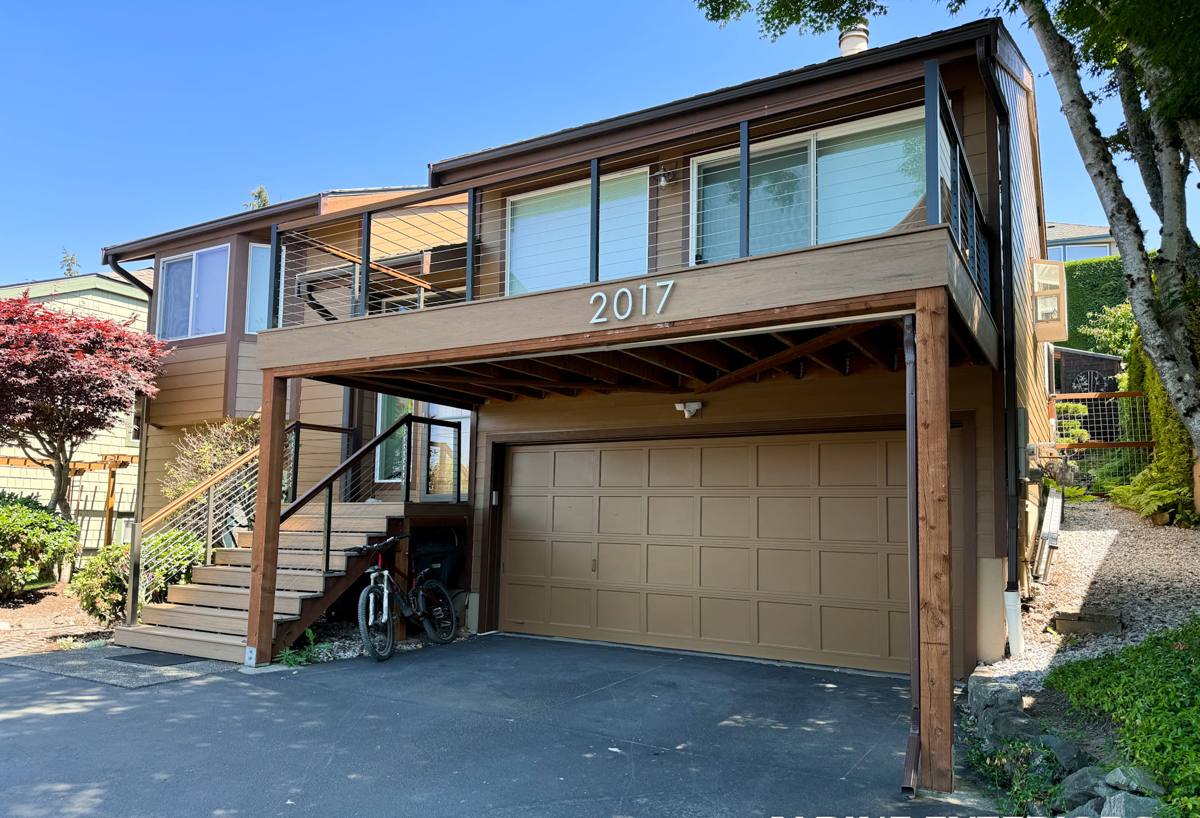
What "Correct" Looks Like on a New Roof Installation
A new roof is more than shingles nailed to plywood. It's a system, and every layer has a job. On a Silver Beach home, we pay particular attention to:
The Deck
Before anything new goes down, the roof deck gets inspected for soft spots, rot, or delamination — common where old leaks went unnoticed for a while. Any compromised sheathing gets replaced. Installing new roofing over a bad deck just hides the problem for another few years.
Underlayment
Given the amount of driving rain this area sees, we don't treat underlayment as an afterthought. A synthetic underlayment with good water resistance, properly lapped and fastened, is the backup layer that protects the home if wind-driven rain gets past the primary roofing material — which it eventually will, on any roof, during a bad enough storm.
Flashing and Fasteners
This is where salt air does the most damage over time if the wrong materials are used. We use flashing and fasteners rated for coastal exposure, not standard-grade hardware that looks fine on day one and starts rusting within a few years near the water.
Ventilation
Proper intake and exhaust ventilation keeps the attic dry and temperature-regulated, which matters for shingle lifespan and for controlling the moisture that feeds moss growth on the roof surface itself.
Material Options for Silver Beach Homes
There's no single "best" roofing material for every home — it depends on budget, roof pitch, home style, and how much long-term maintenance a homeowner wants to take on. Here's how the common options stack up for this specific climate:
| Material | Salt Air Performance | Moss Resistance | Typical Lifespan |
|---|---|---|---|
| Architectural asphalt shingles | Good, with corrosion-rated flashing | Moderate — benefits from zinc/copper strips | 25–30 years |
| Standing seam metal | Very good with coastal-rated coatings | Strong — sheds moss more easily | 40–50+ years |
| Composite/synthetic shake | Good | Moderate to good | 30–50 years |
| Cedar shake | Requires diligent maintenance near salt air | Weak without regular treatment | 20–30 years with upkeep |
We don't push cedar shake on homes this close to the water as a rule, not because it's a bad-looking product, but because the maintenance burden — regular treatment, moss removal, and monitoring for moisture intrusion — is higher than most homeowners want to sign up for in this climate. If a homeowner wants that look and understands the upkeep, we'll install it correctly. But for most Silver Beach projects, architectural asphalt or standing seam metal give the best balance of performance and reasonable long-term care.
Moss and Ventilation: The Two Issues That Actually Determine Roof Lifespan Here
Ask any longtime roofer in this county and they'll tell you the two things that kill roofs early aren't usually the shingles themselves — it's moss buildup and poor attic ventilation. Both are preventable with the right installation choices.
- Zinc or copper control strips near the ridge inhibit moss growth as rainwater washes over them
- Proper shingle exposure and nailing pattern reduce the lifted edges where moss gets a foothold
- Balanced ridge and soffit ventilation keeps the deck dry from underneath, not just the surface from above
- Correctly flashed valleys and penetrations prevent the small leaks that let moisture sit and encourage growth
- A roof with good sun exposure and clear surrounding trees will always fight moss better than one shaded most of the day
We factor tree cover and roof orientation into the plan for each home, because the same roofing material can perform very differently on a shaded, north-facing roof versus one that gets regular sun.
How Our Installation Process Works
1. On-Site Assessment
We walk the roof, check the attic from inside where accessible, and look at the home's specific exposure — how close to the water, how much tree cover, current ventilation setup, and the condition of the existing deck.
2. Material Selection
We go over the options honestly, including trade-offs in cost, appearance, and maintenance, so the homeowner picks a material that fits both the budget and the climate — not just whatever we'd prefer to install.
3. Tear-Off and Deck Inspection
Old roofing comes off completely. We don't install new roofing over old — it hides problems and voids most manufacturer warranties. The deck gets inspected and any damaged sections replaced before anything new goes down.
4. Underlayment, Flashing, and Roofing Installation
Each layer goes down to manufacturer specification, with coastal-rated flashing and fasteners throughout. Valleys, penetrations, and edges get the extra attention that determines whether a roof holds up through its first real windstorm off the water.
5. Ventilation Check and Final Walkthrough
We confirm intake and exhaust ventilation is balanced, clean up the site, and walk the finished roof with the homeowner before calling the job done.
Signs a Silver Beach Home Needs a New Roof, Not Another Repair
Repairs make sense for isolated damage on an otherwise sound roof. A full replacement makes more sense when the underlying system is failing broadly. Signs worth a serious look:
- Granule loss heavy enough that shingles look bare or patchy in several areas, not just one spot
- Persistent moss coverage across large sections despite cleaning
- Soft spots or sagging when walked, which usually points to deck damage underneath
- Daylight visible through the attic roof boards, or damp insulation after storms
- A roof approaching or past the expected lifespan of its material, especially with a history of storm exposure
- Repeated leaks in different spots each season rather than one recurring, fixable location
What Drives the Cost of a New Roof
| Factor | Why It Matters |
|---|---|
| Roof size and pitch | More surface area and steeper pitches mean more material and labor time |
| Material choice | Asphalt, metal, and composite carry different material and installation costs |
| Deck condition | Rotted or soft sheathing found during tear-off adds repair cost, but skipping it isn't an option |
| Ventilation upgrades | Adding or correcting ridge/soffit ventilation on an older home is worth the added cost |
| Access and site conditions | Tree cover, roof height, and staging space can affect labor time |
We give homeowners a real, itemized estimate before any work starts — no vague lump-sum number that hides what's actually being paid for.
Why It Matters That We Already Work This Neighborhood
A roofing crew that regularly works Silver Beach and the surrounding Whatcom County coastline isn't guessing at how salt air, moss, and driving rain affect a roof over time — we see it every season, on homes with the same exposure. That means we know which flashing grades actually hold up here, which materials need extra ventilation attention, and which corners get cut most often by crews unfamiliar with coastal Washington conditions. It also means we're a known, reachable local business if a question comes up five or ten years down the road, not a crew that worked the area once and moved on.
Simple Maintenance That Extends a New Roof's Life
- Clear overhanging branches to reduce shade and debris buildup on the roof surface
- Clean gutters at least twice a year so water isn't backing up under the roof edge
- Have moss growth addressed early, before it spreads across large sections
- Schedule a roof check after any major windstorm, especially ones with heavy rain off the water
- Keep an eye on attic ventilation — blocked vents undo a lot of the protection a new roof provides
If your Silver Beach home is due for a new roof, or you're just not sure whether what you have will make it through another wet season, we're happy to take a look. The estimate is free, there's no pressure, and you'll get a straight answer about what your roof actually needs — simply fill out the form below to get started.