 Whatcom County
 Building New in Sehome? The Windows Are Where Most Problems Start
When you're framing a new home in Sehome, the windows aren't just a fixture you pick out of a catalog — they're a hole in your building envelope that has to be sealed, flashed, and integrated with the wall assembly correctly the first time. Unlike a replacement job, where you're working with an opening that's already proven itself (or already failed), new-construction window installation is your one shot to get the flashing sequence right before the siding goes on and covers it up for the next 30 years.
We install new-construction windows for builders and homeowners throughout Whatcom County, and Sehome jobs get the same attention we'd give any lot close to Bellingham Bay: this is a neighborhood that sees real wind-driven rain off the water, salt-laden air, and a moss season that runs most of the year. A window that's installed to a "dry climate" standard will show its weaknesses here in a few winters, not a few decades.
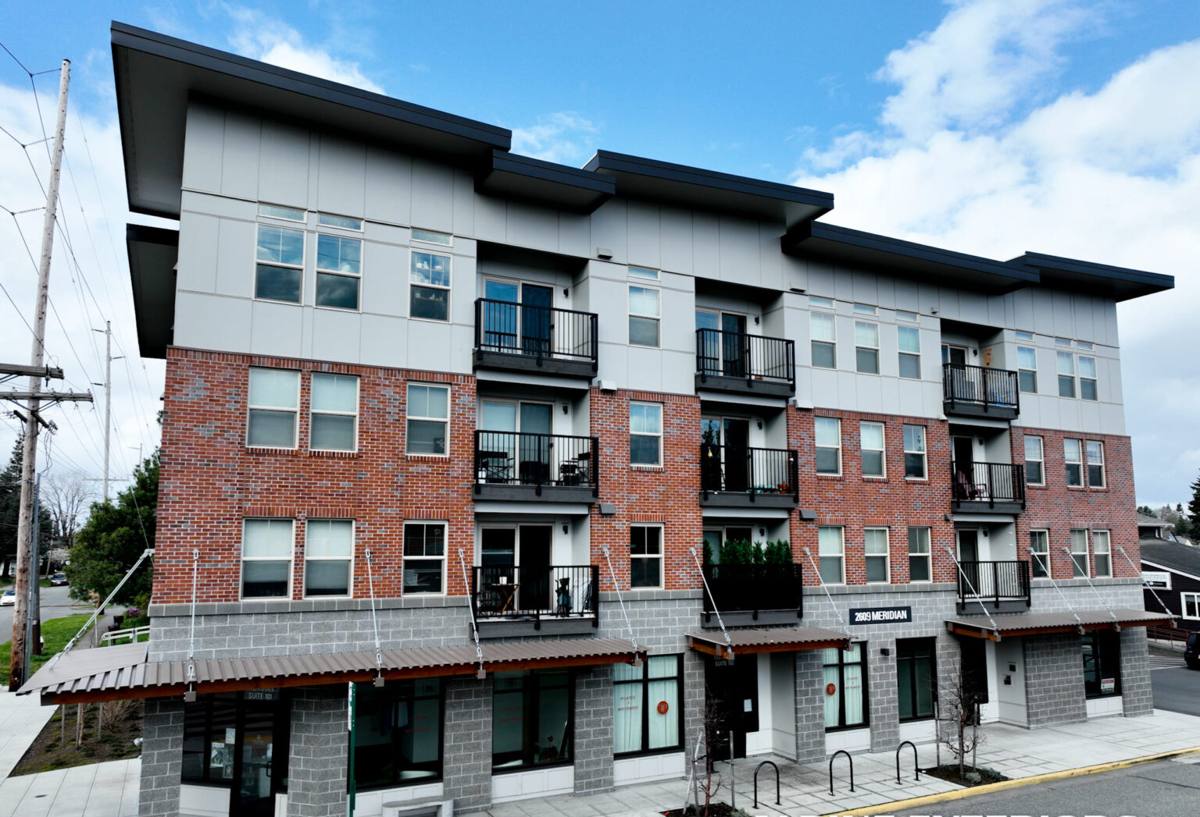
What Sehome's Climate Actually Demands From a Window Install
Salt Air and Metal Fatigue
Proximity to Bellingham Bay means airborne salt is a real factor for anything metal — window hardware, screen frames, and especially aluminum components that aren't specifically rated for coastal exposure. We factor this into hardware and frame recommendations rather than treating every install the same way we would for a lot 20 miles inland.
Driving Rain, Not Just Rain
Whatcom County gets a lot of rain, but the bigger issue for windows is wind-driven rain — water pushed sideways and upward against the wall, which finds any gap in flashing that a simple bead of caulk was never designed to handle. Correct sill pan flashing and proper head flashing lap sequencing matter more here than in a calmer climate.
Moss and Algae Season
Constant moisture and shade from mature trees common around Sehome lots create a long moss and algae season. On windows, this shows up as growth on sills, in track channels, and around exterior trim — which holds moisture against the frame and finish longer than it should. Sill design and drainage details we specify are chosen partly to keep water moving off the window instead of sitting on it.
The Anatomy of a Correct New-Construction Window Install
A new-construction window (also called a nail-fin or flange window) attaches directly to the wall sheathing through a nailing flange, then gets flashed in layers so water is always directed outward and downward — never trapped behind the siding. Skipping or misordering any layer is the single most common cause of hidden rot behind window openings.
- Rough opening prep — the opening is checked for square, level, and correct sizing before anything else happens.
- Sill pan flashing — a sloped, sealed pan at the bottom of the opening so any water that gets past the window has somewhere to go besides the framing.
- Weather-resistive barrier (WRB) integration — the house wrap or building paper is cut and lapped so it feeds water down and over the sill pan, not behind it.
- Window setting — the unit is set into the opening, shimmed plumb and square, and fastened through the nailing fin per the manufacturer's schedule.
- Side and head flashing — flashing tape or flashing strips are applied in strict shingle-lap order (bottom, sides, then top) so every layer sheds water onto the layer below it.
- Sealant at the right joints only — sealant belongs at specific joints, not smeared across the whole flange. Sealing the wrong joint can trap water instead of keeping it out.
Every one of those steps is inspectable before the siding goes on. That's the advantage of new construction over a replacement job — and it's also the reason a rushed or out-of-sequence install is so hard to catch later.
Choosing the Right Window for This Climate
Frame material affects how a window ages in a coastal, wet climate. We walk builders and homeowners through the honest trade-offs rather than pushing one product line.
| Frame Material | How It Handles This Climate | Maintenance | General Cost |
|---|---|---|---|
| Vinyl | Good moisture resistance, won't corrode; performance varies by quality tier | Low | $ |
| Fiberglass | Very stable in wet, temperature-swinging conditions; strong seal longevity | Low | $$$ |
| Wood-clad (exterior clad, wood interior) | Handsome, but relies entirely on the clad exterior staying intact — any breach exposes wood to our moisture levels | Moderate to high | $$$ |
| Bare aluminum | Prone to corrosion and condensation in salt-air, high-humidity settings unless thermally broken and coastal-rated | Moderate | $$ |
We don't rule out any material outright, but for lots close to the bay with salt exposure, we're more cautious about bare aluminum and unclad wood, and we're specific about hardware finishes that resist pitting and corrosion.
Coordinating Windows With Siding and the Weather Barrier
Because we install both windows and siding, the sequencing problem that trips up a lot of new builds — where the window crew and the siding crew never actually talk to each other — doesn't happen on our jobs. The WRB has to be installed, lapped, and taped in a specific order relative to the windows, and if you're running a rainscreen or drainage gap behind the siding (which we recommend for this climate), the window flashing has to tie into that drainage plane correctly or the gap does nothing useful.
On a lot of new-construction jobs, window installation happens weeks before siding, often by a different trade entirely. That's not wrong, but it means someone has to verify the flashing is still correct and undamaged before it gets covered. We build that verification into our process rather than assuming it's fine.
Where This Goes Wrong Most Often
- WRB installed in the wrong order relative to the sill pan, so water runs behind it instead of over it
- Flashing tape applied bottom-to-top instead of the correct shingle-lap sequence
- Sealant used as a substitute for flashing instead of a supplement to it
- Nailing fin fastened with the wrong fastener spacing or type, leaving gaps under wind load
- Siding installed tight against the window trim with no room for the drainage gap to function
Energy Code and Performance in Whatcom County
Washington's state energy code sets minimum performance requirements for new-construction windows, and Whatcom County's climate zone puts real weight on U-factor (how well the window resists heat loss) and, to a lesser degree, solar heat gain coefficient. We spec windows that meet or exceed current code minimums for the zone rather than treating code as a ceiling — in a climate this damp and cool for much of the year, a slightly better U-factor pays for itself in comfort near the glass, not just on the utility bill.
Condensation resistance also matters more here than in drier climates. A window with a poor thermal break will fog and sweat on cold, humid mornings — common in Sehome for a good stretch of the year — which is a performance issue, not just a cosmetic one.
Our Process for New-Construction Window Jobs
- Plan review — we look at the window schedule and rough openings before framing is finalized, catching sizing or placement issues early.
- Product selection — we walk you through frame material, glass package, and hardware options suited to this climate and your budget.
- Coordinated install — flashing, WRB, and window setting are sequenced correctly and documented as we go, especially where siding will follow.
- Pre-siding inspection — every opening is checked before it gets covered, since this is the last point where a flashing mistake is cheap to fix.
- Final walkthrough — operation, seals, and trim are checked once the window and siding work are both complete.
Why a Crew That Already Works Sehome Matters
A window install that would hold up fine in a dry inland climate can fail early here, and the reverse is also true — over-building for conditions that don't apply just adds cost. A crew that regularly works Whatcom County new builds already knows how much wind-driven rain exposure a given lot orientation is likely to see, how long moss season really runs, and which flashing and sealant products actually perform in this humidity rather than just on a spec sheet. That local pattern recognition is hard to replace with a generic install checklist.
It also means fewer surprises during permitting and inspection, since local building department expectations around flashing and energy code documentation are already familiar territory.
A Practical Checklist If You're Building New in Sehome
- Confirm your window schedule specifies U-factor and SHGC values, not just brand and size
- Ask how sill pan flashing will be handled at each opening, not just "we'll flash it"
- Confirm who is responsible for WRB continuity between the window and siding trades
- Ask whether a rainscreen or drainage gap is planned behind the siding, and how windows tie into it
- Request a pre-siding inspection of flashing before openings are covered
- Choose hardware finishes rated for coastal or high-humidity exposure if your lot is near the bay
If you're planning a new build or addition in Sehome and want windows installed by a crew that treats flashing sequence as seriously as the finished look, we're glad to walk your plans and talk through options. Fill out the form below for a free, no-pressure estimate.