 Whatcom County
 Roofing in Ferndale Has to Deal With Whatcom County's Weather, Not Fight It
Ferndale sits close enough to the water that salt air is a real factor in how a roof ages, and far enough into Whatcom County's wet season that moss, moisture, and long stretches of driving rain are just part of owning a home here. A roof replacement in this area isn't just about swapping old shingles for new ones. It's about choosing materials and details that hold up to a specific combination of conditions most manufacturers' generic installation guides don't fully account for.
We work on homes throughout Ferndale and the surrounding parts of Whatcom County, and the roofs we see failing early almost always have the same story: a reasonable product installed without enough attention to ventilation, underlayment, or edge detailing for this climate. A correct roof replacement here starts with understanding why roofs in this area wear the way they do.
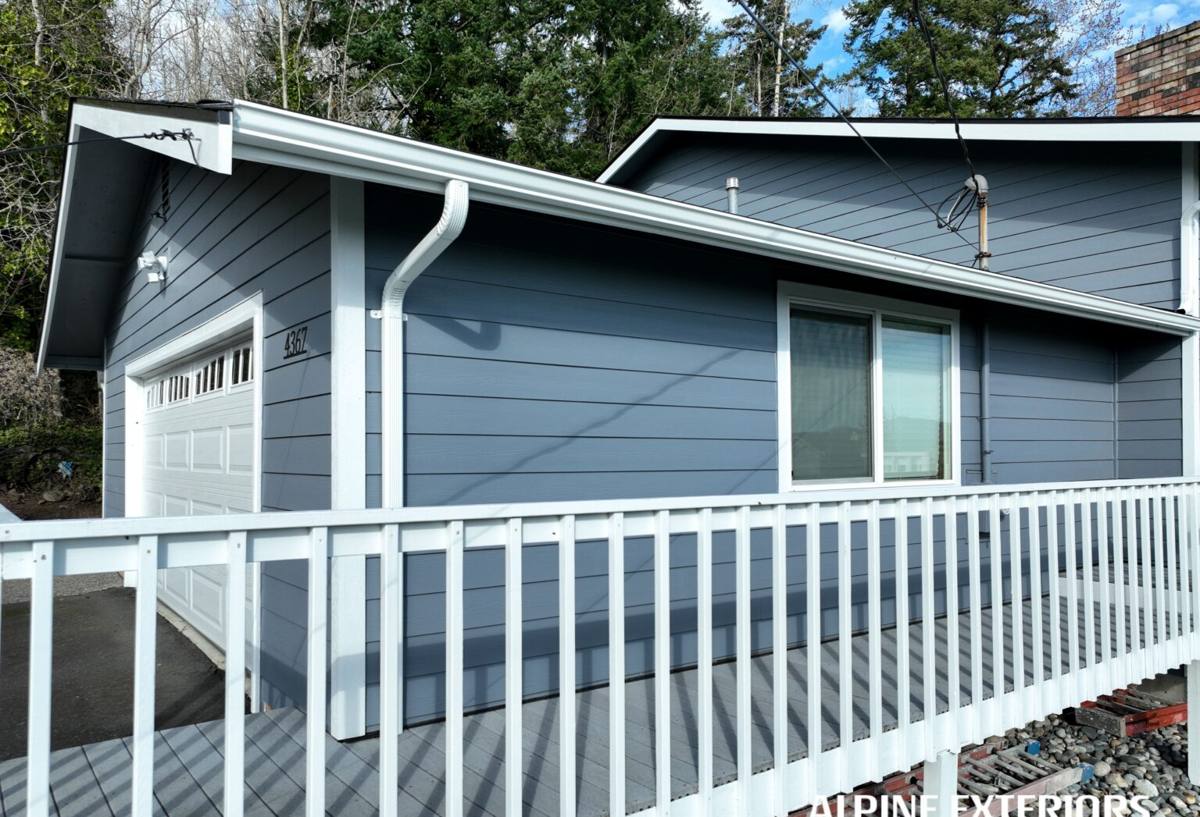
What Ferndale's Climate Actually Does to a Roof
Salt Air and Metal Fatigue
Proximity to the coast means airborne salt settles on roofing surfaces, flashing, fasteners, and vents. Over years, this accelerates corrosion on lower-grade metal components — cheap flashing, uncoated fasteners, and thin gutter systems in particular. It doesn't ruin a roof overnight, but it shortens the life of anything metal that wasn't specified with coastal exposure in mind.
Driving Rain and Wind-Driven Moisture
Rain in this part of Washington doesn't always fall straight down. Wind off the water pushes it sideways, which means it finds its way under poorly lapped shingles, around loose flashing, and into any gap a calmer climate's roof wouldn't have to worry about. Underlayment quality and flashing detail matter more here than they would in a drier, calmer region.
Long Moss Season
Whatcom County's combination of shade, moisture, and mild temperatures gives moss a long growing window — often most of the year on north-facing or tree-shaded roof sections. Moss holds moisture against the roofing material, lifts shingle edges as it grows, and works its way into seams. Left unmanaged, it shortens the life of even a well-installed roof.
Signs a Ferndale Home May Need a Roof Replacement, Not Just a Repair
- Granule loss heavy enough that you can see bare patches or find granules collecting in gutters
- Shingles curling, cupping, or lifting at the edges, especially on the roof faces that catch the most wind-driven rain
- Moss growth that comes back within a season or two of cleaning, or moss established under shingle edges rather than just on the surface
- Daylight visible through the roof deck from the attic, or damp insulation after storms
- Flashing around chimneys, skylights, or vent pipes that's rusted, cracked, or was never properly integrated with the roofing material
- Multiple isolated repairs over the past few years that keep resurfacing in different spots — a sign the roofing system as a whole is past its useful life
- A roof approaching or past the manufacturer's expected lifespan for this climate, which is often shorter here than the national average quoted on the packaging
Any one of these on its own might mean a repair is enough. Several together usually mean it's time to talk about full replacement before a small problem becomes a decking or interior issue.
What a Correct Roof Replacement Involves Here
Tear-Off and Deck Inspection
We remove the old roofing down to the deck rather than laying new material over old — this is the only way to actually see what condition the sheathing is in. In a climate this wet, hidden deck rot from long-term leaks is common enough that skipping this step is a real risk, not a shortcut worth taking.
Underlayment Built for Wet Climates
We use synthetic or self-adhering underlayment products suited to sustained moisture exposure, not the minimum felt some crews still install. In areas prone to wind-driven rain, ice, or ponding at valleys and eaves, upgraded underlayment at those specific zones is worth the extra material cost.
Flashing Detail
Flashing around chimneys, skylights, vent penetrations, and roof-to-wall transitions is where most leaks actually originate — not in the open field of shingles. We fabricate and install flashing to shed water correctly at every one of these transitions rather than relying on sealant to do a metal detail's job.
Ventilation
Balanced intake and exhaust ventilation keeps the attic space dry and temperature-stable, which matters for shingle lifespan and for controlling condensation in a climate where the air outside is often nearly as damp as the air inside. Poor ventilation is a common, invisible cause of premature roof failure.
Material Selection for Coastal and Wet Conditions
We favor roofing materials and metal components rated for coastal exposure — corrosion-resistant fasteners and flashing, algae-resistant shingle products where moss and moisture are a known issue, and gutter systems sized for real Whatcom County rain volumes, not a generic national average.
Comparing Common Roofing Options for Ferndale Homes
| Material | Typical Lifespan Here | Moss/Moisture Behavior | Maintenance Burden |
|---|---|---|---|
| Standard asphalt shingle | 15-20 years | Prone to moss without treatment; algae-resistant granules help | Moderate — periodic moss/debris removal recommended |
| Algae-resistant architectural shingle | 20-30 years | Better resistance to moss and streaking, still needs occasional cleaning | Lower than standard shingle |
| Metal roofing (coated, coastal-rated) | 40-50+ years | Sheds moisture fast, poor surface for moss to establish on | Low, but fastener and coating quality matters near salt air |
| Cedar shake | 20-30 years with upkeep | Absorbs moisture, needs active moss/moisture management | High — regular treatment and inspection required |
There's no single "best" material for every home — it depends on the roof's exposure, the home's structure, budget, and how much ongoing maintenance an owner wants to take on. We'll walk through the honest trade-offs for your specific roof rather than pushing one product line.
Our Roof Replacement Process
- On-site inspection: We assess the current roof, deck condition, ventilation, and any problem areas specific to your home's exposure — sun, shade, wind direction, and tree coverage all factor in.
- Written estimate: A clear scope and price, with material options explained in plain terms — no vague allowances or surprise add-ons later.
- Scheduling around weather: Whatcom County's rain patterns mean timing matters. We plan tear-off and dry-in to minimize the window your home is exposed.
- Tear-off and deck repair: Old roofing removed, deck inspected, any damaged sheathing replaced before anything new goes down.
- Underlayment, flashing, and ventilation installed: The parts of the job that don't show but determine whether the roof actually performs in this climate.
- New roofing installed to manufacturer spec: Correct nailing patterns, exposure, and sealing — details that affect both performance and warranty validity.
- Final walkthrough: We review the finished work with you and answer questions before calling the job done.
What to Have Ready Before Your Estimate
- Any known history of leaks, repairs, or attic moisture issues
- Rough age of the current roof, if known
- Whether moss or algae has been a recurring problem
- Any interior signs of trouble — stains, soft spots, or drafts near the ceiling
Why a Crew That Already Works Ferndale Matters
Roofing codes, typical framing styles, and weather exposure patterns vary by region, and a crew that works Whatcom County roofs regularly already knows which details tend to fail here versus in a drier climate. That familiarity shows up in things like which flashing details get extra attention, how ventilation is calculated for homes with heavy tree cover, and which fastener and metal choices are worth the upgrade near the coast. It also means faster, more accurate estimates, because we're not guessing at local conditions — we're working from what we've already seen on roofs like yours in this area.
Local presence matters after the install too. Warranty questions, storm follow-ups, and maintenance advice go a lot smoother with a contractor who's still working in Ferndale next year, not one that moved on to the next region.
Maintenance That Extends the Life of a New Roof Here
- Clean gutters at least twice a year — more often if you have heavy tree cover, since clogged gutters back water up under shingle edges
- Have moss treated or removed before it establishes under shingles, not just after it's visibly widespread
- Trim back overhanging branches to reduce shade, debris, and abrasion on the roof surface
- Schedule a periodic inspection, especially after major windstorms common to the area
- Check attic ventilation isn't blocked by insulation or debris, since blocked vents undo a lot of the benefit of a good ventilation design
None of this is complicated, but skipping it is one of the most common reasons a well-installed roof underperforms its expected lifespan in this climate.
Getting Started
If your roof is showing wear, has an active leak, or you're just trying to plan ahead before it becomes an emergency, we're glad to take a look. We'll give you a straightforward assessment of what's actually going on, what your realistic options are, and what each would cost — no pressure, no inflated urgency. Fill out the form below for a free estimate on your Ferndale roof replacement.