 Whatcom County
 Why Silver Beach Homes Put Extra Demands on a Window
Silver Beach sits in one of the wetter, wind-exposed pockets of Whatcom County, and that shows up in how windows age here compared to drier parts of the state. Moist marine air works into frame joints and glazing seals year-round, wind-driven rain gets pushed sideways into gaps that would stay dry elsewhere, and a long moss season keeps north- and west-facing walls damp for months at a time. None of that is dramatic on its own, but it adds up over a decade or two into fogged glass, soft frames, and heating bills that creep up every winter without an obvious cause.
An energy-efficient window for this neighborhood isn't just about the glass rating on a spec sheet. It's about a whole assembly — frame, glazing, weatherstripping, and flashing — that's specified and installed to shed water and hold its seal under sustained wet, windy conditions, not just perform well in a lab test.
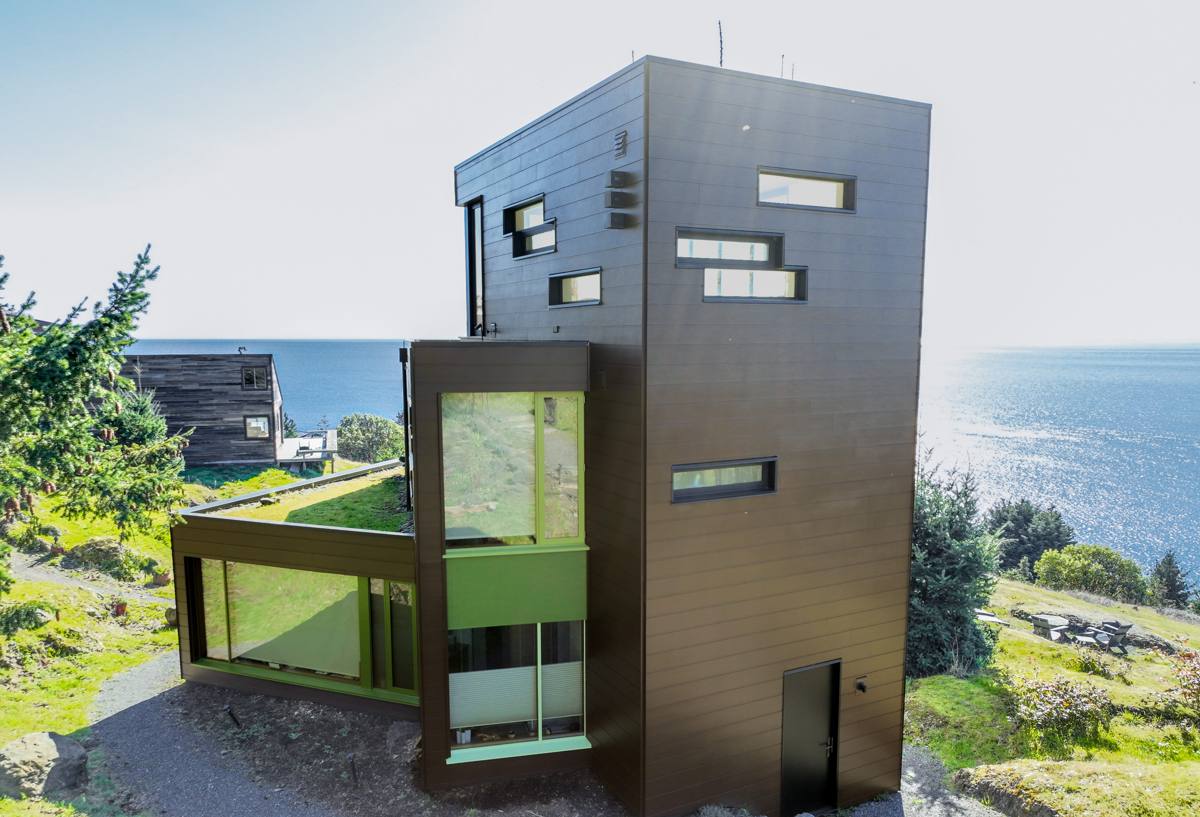
What "Energy-Efficient" Actually Means in This Climate
Glass Packages and U-Factor
In Whatcom County, the number that matters most day to day is U-factor — how well the window resists heat loss. Because our winters are mild but long and gray, homes lose more heat through poor windows over a season than they gain from summer sun, so a lower U-factor generally matters more here than a low solar heat gain coefficient (SHGC), which is a bigger deal in hot, sunny climates. Double-pane glass with a low-E coating and argon gas fill is the practical baseline for this area; triple-pane can make sense on exposed west and north walls that take the brunt of the weather, but it's not automatically worth the extra cost on every elevation of every house.
Frame Materials That Hold Up
Frame material matters as much as glass here because it's the part exposed to constant moisture cycling. Vinyl frames with welded (not just mechanically fastened) corners resist water intrusion better than screwed frames. Fiberglass and composite frames cost more but move less with temperature swings and hold paint and seals longer in damp conditions. Wood-clad windows look great but need their exterior cladding and joints checked regularly — in a moss-prone, high-moisture area, that maintenance step isn't optional, it's the difference between a 20-year window and a 40-year one.
Signs Your Current Windows Are Costing You Money
Most homeowners don't replace windows because one thing breaks — they replace them because a handful of small problems have been stacking up for years. Walk your house and check for these:
- Visible fog or moisture trapped between panes (a failed seal, not a cleaning issue)
- Noticeable draft when you hold a hand near the frame on a windy day
- Soft, discolored, or spongy wood around the window opening, inside or out
- Windows that are hard to open, close, or lock — a sign the frame has shifted or swollen
- Condensation forming on the inside of the glass in cold weather
- Visible gaps, cracked caulking, or peeling paint at the window perimeter
- A heating bill that's climbed noticeably over the past few winters with no other explanation
Any one of these can usually be fixed. Several at once, especially on the same wall, usually means it's more cost-effective to replace than keep patching.
What a Correct Installation Actually Involves
The window itself is only part of the job. In a climate that drives rain sideways into wall assemblies, the flashing and sealing details around the window are what actually keep water out over the long run. A rushed or corner-cut installation can make even a good window perform poorly, while a careful installation of a mid-grade window will often outlast a premium window installed badly.
| Installation Factor | Why It Matters Here |
|---|---|
| Proper flashing tape and sequencing | Directs wind-driven rain away from the wall cavity instead of trapping it behind the siding |
| Sill pan installation | Gives any water that does get past the frame a way to drain back out, rather than sitting on wood sheathing |
| Correct shimming and squaring | Keeps the sash operating smoothly and the seals compressing evenly for years, not just on install day |
| Interior and exterior sealant compatible with siding type | Prevents cracking and gaps as materials expand and contract through wet winters and dry summers |
| Insulation of the gap between frame and rough opening | Stops the "invisible draft" that a warranty on the glass alone won't fix |
Our Process for a Silver Beach Window Project
We keep the process straightforward and don't ask you to make decisions you don't have the information for yet:
- On-site assessment — We look at each window's condition, the wall assembly behind it, and which elevations take the worst weather, since a north wall and a sheltered south wall often don't need the same window spec.
- Product recommendation — We walk you through frame material, glass package, and style options based on your budget and how exposed that part of the house is, not a one-size-fits-all package.
- Written estimate — Clear pricing per window or per project, with the reasoning behind any upgrades we suggest, so there are no surprise line items later.
- Installation — Old windows removed, openings inspected for hidden moisture or rot before the new window ever goes in, proper flashing and sill pan work, then the new window set, sealed, and tested.
- Walkthrough — We check operation on every window with you before we consider the job done.
If we find rot or water damage once the old window is out, we'll show it to you and price the repair separately before proceeding — we don't install a new window over a compromised opening.
Choosing the Right Window Style
Style isn't just cosmetic in this climate — some designs seal better against driving rain than others.
| Window Style | Weather Performance | Best Use |
|---|---|---|
| Casement | Seals tightest against wind-driven rain since it closes against the frame like a door | Exposed walls, west/north elevations |
| Double-hung | Good performance, easier to clean, traditional look | Sheltered walls, most general replacement work |
| Sliding | Slightly more prone to air infiltration at the track over time | Wide openings where a swing sash isn't practical |
| Fixed/picture | No moving parts to seal, generally the most weathertight option | Non-operable areas where ventilation isn't needed |
What Windows Typically Cost
Pricing depends on frame material, glass package, size, and how many openings need flashing repair, but as a rough guide: standard vinyl double-pane replacements tend to run at the lower end of the market, fiberglass or composite frames sit in the mid-to-upper range, and triple-pane or full-frame replacements (versus insert replacements) cost more because of the added labor. We'll always give you the specific number in writing before any work starts — we don't think broad averages are useful for actually budgeting a project.
Why Hiring a Crew That Knows This Neighborhood Matters
Whatcom County covers a lot of different microclimates, and Silver Beach's mix of moisture, wind exposure, and moss coverage isn't identical to a drier inland neighborhood or a more sheltered in-town street. A crew that's worked on homes in this specific area already knows which elevations tend to have hidden rot, which older window brands in local homes are prone to seal failure, and how to sequence flashing so it actually works with the siding types common here. That local pattern recognition shortens the assessment phase and reduces the odds of surprises once the old windows come out.
It also means someone is around after the install. Window work isn't fully "done" the day it's installed — sealant needs a season to cure and prove itself, and a crew based in the county can come back to check a seal or adjust a sash without it being a special trip.
Keeping New Windows Performing Through Moss Season
New windows still need a little attention to stay efficient. Keep gutters and downspouts near window headers clear so water doesn't back up and run down the wall. Rinse moss and organic buildup off nearby siding and trim before it holds moisture against the window frame. Check exterior caulking once a year, ideally before the wet season starts, and address any cracking before it lets water behind the trim. None of this is a big job, but skipping it is how a well-installed window loses years off its service life in a climate like ours.
If you're dealing with drafty, foggy, or hard-to-operate windows in Silver Beach, we're happy to take a look and give you a straightforward, no-pressure estimate — just fill out the form below.