 Whatcom County
 Windows Built for South Hill's Weather, Not Just Its Style
South Hill sits close enough to the water and the weather patterns coming off it that windows here take a different kind of beating than windows fifty miles inland. Salt-laden air corrodes hardware and finishes faster than most homeowners expect, wind-driven rain finds every gap in a tired frame, and the long gray stretch of moss season keeps siding, trim, and window sills damp for weeks at a time. A window that's simply "new" isn't the same as a window that's correctly specified for this neighborhood. We've been doing window and siding work across Whatcom County long enough to know which details matter here and which ones are just upsells.
This page is about one job done right: replacing or installing custom windows on South Hill homes, with the flashing, glass, and frame choices that actually hold up to our climate.
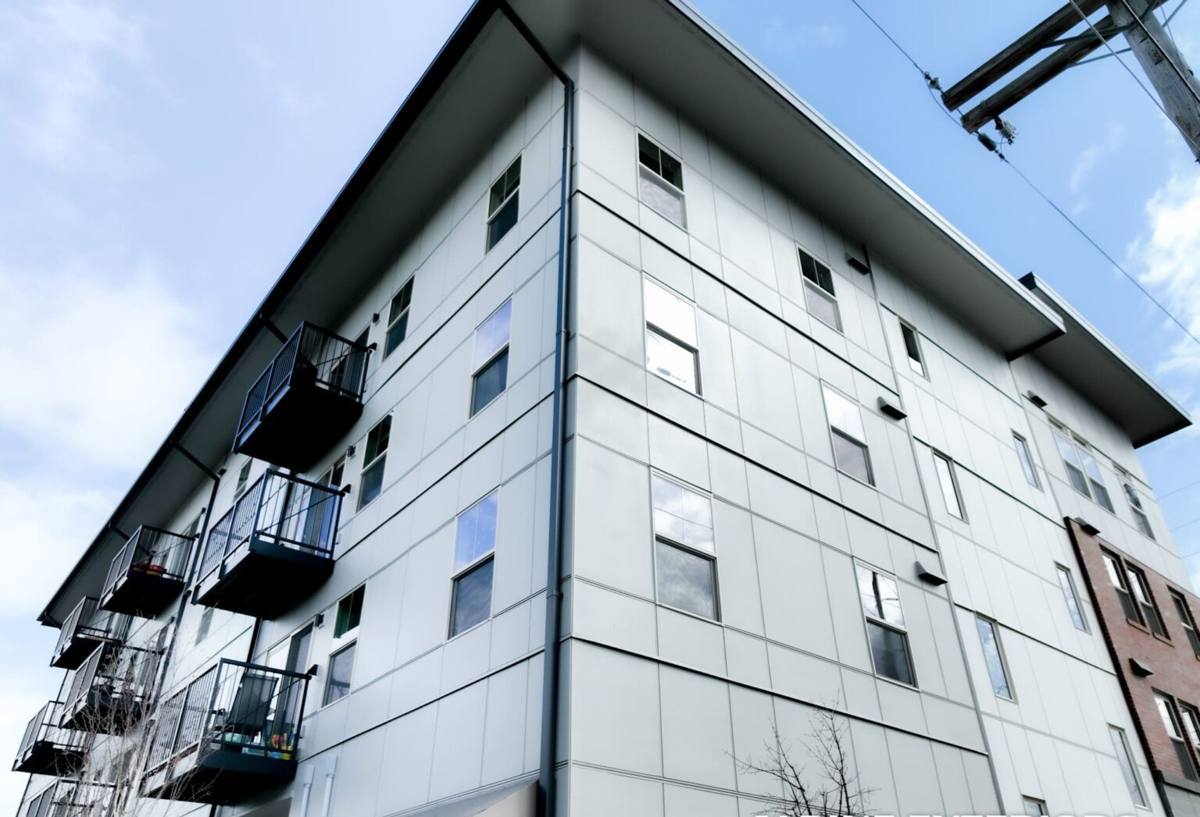
What South Hill's Climate Actually Does to Windows
Salt Air and Metal Fatigue
Proximity to Puget Sound and Bellingham Bay means airborne salt is a real factor for South Hill properties, especially those on higher, more exposed ground. Salt accelerates corrosion on window hardware — hinges, cranks, locks, and especially unprotected aluminum. Over years, homeowners notice cranks that stick, locks that won't fully seat, and screens with rusted-through mesh. The fix isn't a stronger window; it's the right hardware finish and frame material for a coastal-influenced environment.
Driving Rain and Wind Pressure
South Hill gets exposure to wind off the water, and wind-driven rain behaves differently than a straight-down shower — it gets pushed sideways and upward into gaps that would stay dry in calmer conditions. A window can look properly installed and still leak if the flashing details weren't built to shed water moving at an angle, or if the sealant was asked to do a job that flashing should be doing.
Moss Season and Sustained Moisture
Whatcom County's long wet season — often stretching from fall through spring — means wood trim, sills, and casings stay damp for extended periods, not just during a storm. That sustained moisture is what actually causes rot; a single hard rain rarely does the damage that six months of low-grade dampness does. Moss and algae growth on north-facing walls and shaded sills also traps moisture against the surface, which is a slower but just as real threat to unprotected wood.
What a Correct Custom Window Job Involves
"Custom" doesn't mean expensive trim packages — it means the window is sized, flashed, and glazed for the specific opening and exposure it's going into, rather than treated as an off-the-shelf swap. For South Hill homes, that typically means:
- Accurate field measurement of each opening — older homes settle, and openings are rarely perfectly square
- Frame material selected for the wall's sun and moisture exposure, not a single default across the whole house
- Flashing integrated with the existing water-resistive barrier, not just caulked over the top of it
- Sill pans or sloped sills so any water that does get past the glass drains outward instead of sitting
- Corrosion-resistant hardware appropriate for a coastal-influenced climate
- Glass package matched to the window's orientation — west and south exposures see more solar heat gain, north-facing rooms lose more heat
Skipping any one of these doesn't usually show up on installation day. It shows up two or three winters later as a soft spot below the sill or a foggy seal between panes.
Choosing Frame Material for a Salt-Air, High-Moisture Site
| Frame Material | Strengths in South Hill's Climate | Trade-Offs to Know |
|---|---|---|
| Vinyl | Won't rust or rot, low maintenance, good value | Can't be repainted easily; quality varies a lot between manufacturers |
| Fiberglass | Very stable in temperature swings, strong against wind pressure, holds paint well | Higher upfront cost than vinyl |
| Wood (clad exterior) | Classic look, good insulator, interior can be stained or painted | Exterior cladding must be fully intact — any breach exposes wood core to our wet season |
| Aluminum | Strong, slim sightlines | Poor insulator and more prone to corrosion near salt air unless properly finished — we're selective about where we recommend it here |
We don't push one material for every house. A shaded, moisture-heavy north wall and a sun-exposed south wall on the same South Hill property can reasonably call for different specs. Where we steer clients away from a product, it's a maintenance or moisture-performance trade-off we can explain plainly, not a claim that the product is defective.
Glass and Energy Performance for This Climate
Whatcom County doesn't see extreme heat, but it does see long stretches of overcast, damp cold and occasional summer heat gain on unshaded walls. For most South Hill homes, that points toward:
- Double-pane, low-E glass as the baseline — triple-pane is worth discussing for street-facing or particularly exposed rooms
- Argon or krypton gas fill between panes for added insulation without added thickness
- Warm-edge spacers, which resist condensation better than older metal spacers — condensation on interior glass is a common complaint in our humid winters
- Solar control coatings weighed against orientation, so south- and west-facing rooms aren't fighting summer heat gain while north rooms aren't losing warmth unnecessarily
Condensation: What's Normal and What's Not
Some exterior condensation on cold, clear mornings is actually a sign of a well-insulated, low-E window — it's not a defect. Interior condensation or fogging between the panes, on the other hand, usually means a failed seal or a ventilation problem inside the home. We'll tell you honestly which one you're looking at rather than selling a fix you don't need.
Our Process for South Hill Window Projects
- On-site assessment. We look at each opening's exposure, existing flashing condition, and any signs of past moisture intrusion — not just the window itself.
- Honest scoping. If we find rot or flashing problems behind an old window, we tell you before work starts, not as a surprise change order mid-project.
- Material and glass selection. Matched to each wall's exposure, discussed in plain terms with real trade-offs, not a single "best" answer for the whole house.
- Removal and opening prep. Old sealant and damaged material are cleared out; the opening is checked for square and soundness before the new unit goes in.
- Flashing and sill pan installation. Integrated with the existing water-resistive barrier so water sheds outward and downward, never trapped behind the new window.
- Window setting and sealing. Shimmed level and plumb, fastened per manufacturer spec, sealed with the right sealant in the right locations — not sealant used as a substitute for flashing.
- Interior and exterior trim finish. Matched to the home's existing look, with attention to any spots where wood trim will be exposed to sustained moisture.
- Final walkthrough. We check operation, sealing, and finish with you before calling the job done.
Why Local Experience on South Hill Matters
South Hill isn't a uniform grid of identical lots — homes here range in age, elevation, and exposure to wind and salt air, and that variation changes what a correct window install looks like from one house to the next. A crew that already works this specific area knows which orientations tend to see the worst wind-driven rain, which older home styles commonly hide flashing shortcuts from past renovations, and how long moss season actually runs in a given year. That's knowledge you don't get from a general product catalog — it comes from doing the work here repeatedly and paying attention to what holds up and what doesn't.
It also matters for warranty follow-through. A contractor who's local and established has a real incentive to stand behind the install, because they're not disappearing after the invoice clears.
Signs Your Current Windows Are Falling Behind
- Visible fogging or moisture trapped between panes
- Frames that feel cold to the touch even when the glass doesn't
- Cranks, locks, or sliders that stick or won't fully engage
- Soft or discolored wood at the sill or lower corners
- Visible daylight or a noticeable draft around the frame
- Rising energy bills without another clear explanation
- Rust staining on hardware or streaking below metal components
Any one of these is worth a look. Several together usually mean the windows are costing you more in energy and hidden moisture damage than a replacement would cost upfront.
What Affects the Cost of a South Hill Window Project
| Factor | Why It Matters Here |
|---|---|
| Number and size of openings | Larger or more numerous windows mean more material and labor, straightforwardly |
| Frame material | Vinyl, fiberglass, and clad-wood carry different upfront costs and different long-term maintenance |
| Condition behind the old window | Rot or flashing repair found during removal adds scope — we flag this before proceeding, not after |
| Glass package | Triple-pane or specialty coatings cost more than standard double-pane low-E |
| Wall exposure | Higher-exposure walls may call for upgraded flashing details or sealants, adding modest labor time |
| Trim and finish work | Matching existing trim profiles or repainting takes more time than a bare install |
We give real, project-specific numbers after a site visit rather than a phone quote — too much of the cost depends on what's actually behind the old window, and we'd rather be accurate than fast.
Maintaining Custom Windows in a Coastal-Influenced Climate
Even a well-installed window benefits from basic upkeep in South Hill's conditions:
- Rinse frames and hardware periodically to clear salt residue, especially on more exposed elevations
- Check and clear weep holes on the exterior sill so water can drain rather than pool
- Inspect exterior caulking annually, particularly after the wettest months
- Keep gutters and downspouts clear so overflow doesn't run down onto window heads
- Remove moss or algae buildup on nearby siding and trim before it spreads onto window surrounds
If you're in South Hill and your windows are drafty, foggy, or just older than the last time anyone checked the flashing behind them, we're happy to take a look. The estimate is free, there's no pressure to commit on the spot, and you'll get a straight answer about what your home actually needs — just fill out the form below to get started.