 Whatcom County
 Siding Replacement in Columbia: A Whatcom County Climate Problem, Not Just a Cosmetic One
Homes in Columbia see a specific combination of weather that most siding products were never designed to handle well over the long run: salt-laden air off the water, wind-driven rain that hits walls sideways instead of falling straight down, and a moss season that can stretch for most of the year in shaded, damp conditions. None of that is unusual for Whatcom County — but it does mean that siding replacement here isn't really about picking a color and moving on. It's about picking a material and an installation method that can actually take what this specific location throws at it, year after year.
We work on homes throughout Whatcom County, and Columbia is one of the neighborhoods where we see the same failure patterns repeat on wood-based and vinyl siding: cupping, soft spots at the bottom courses, moss colonizing north-facing walls, and caulk joints that have opened up and let water behind the cladding. A correct siding replacement addresses the causes of that damage, not just the symptoms.
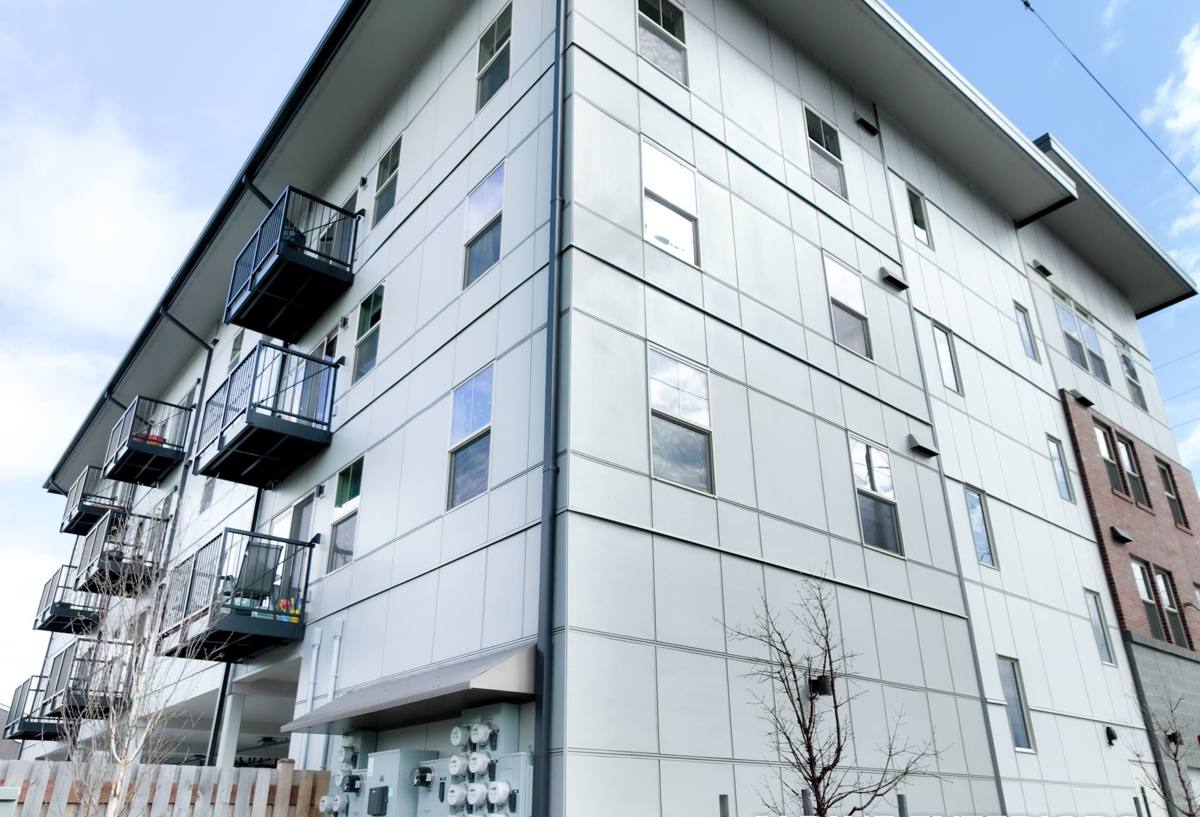
Why Columbia Homes Wear Out Siding Faster Than the Brochure Promises
Salt Air and Slow Corrosion
Proximity to Puget Sound waters means airborne salt settles on exterior surfaces even when there's no storm in sight. Salt is hygroscopic — it pulls moisture out of the air and holds it against whatever it lands on. Over years, that accelerates corrosion of exposed fasteners, trim nails, and any metal flashing that wasn't properly protected or lapped. Siding that looks fine from the street can be hiding rust streaks and loosening fasteners at the fastener heads if the wrong nails or staples were used originally.
Driving Rain and Wall Assembly Moisture
Whatcom County's rain rarely falls straight down. Wind pushes it sideways into wall faces, corners, and window returns, which puts real pressure on lap joints, butt seams, and any place two pieces of siding meet. If the water-resistive barrier, flashing, and lap sequencing underneath aren't done right, that rain finds its way behind the cladding instead of running off it — and once moisture is trapped behind siding, sheathing and framing rot follow, often silently, for years before it shows on the surface.
A Long Moss Season
Shaded lots, tree cover, and consistent moisture give moss and algae a long growing window here. Organic growth on siding isn't just cosmetic — moss holds water against the surface, and on wood-based products that moisture cycle is exactly what drives rot, delamination, and paint failure. Siding that resists moisture absorption in the first place is a much better long-term bet than siding that needs constant washing to keep moss from taking hold.
Signs Your Columbia Home's Siding Has Reached the End of Its Service Life
Some of these show up gradually enough that homeowners get used to them before realizing they add up to a replacement situation rather than a repair situation:
- Soft, spongy, or crumbling siding when you press on it, especially near the bottom of walls and around windows
- Paint or finish that won't hold anymore, even after a fresh coat — a sign the substrate underneath is failing
- Persistent moss or dark staining on north- and west-facing walls that returns within a season of cleaning
- Visible cupping, warping, or buckling of individual boards or panels
- Rust streaks running down from fastener heads or trim
- Gaps opening at seams, corners, or where siding meets trim, windows, or the foundation
- Rising energy bills with no other explanation, suggesting water or air infiltration behind the wall
- Interior signs — musty smell, peeling interior paint, or soft drywall near exterior walls
Any one of these on its own might be a repair. Several of them together, especially on a home that's due for a re-side by age, usually means full replacement is the more honest recommendation.
What a Correct Siding Replacement Actually Involves
Tear-Off and Inspection
Replacement starts with full removal of the old siding, not installation over it. That's the only way to actually see the sheathing, framing, and existing water-resistive barrier and confirm whether there's hidden rot or moisture damage that needs to be dealt with before anything new goes up. Covering over a problem doesn't make it go away — it just hides it behind a new wall.
Water-Resistive Barrier and Flashing
Given how much wind-driven rain this area gets, the barrier and flashing details matter as much as the siding itself. Proper lapping (upper courses over lower, always shedding water downward and outward), correctly integrated window and door flashing, and careful treatment of every penetration — vents, hose bibs, light fixtures — are what actually keep water out. This is also where corners are most often cut on lower-quality jobs, because it's the part that gets covered up and never inspected again.
Fastening and Clearances
Fastener type, spacing, and depth all affect how siding performs over decades, not just years. Corrosion-resistant fasteners matter more here than in drier inland climates because of the salt air. Proper ground clearance and clearance from roof lines, decks, and grade also keep splash-back and standing moisture away from the bottom courses, which is where we see the most failure on older homes in this area.
Why We Install Only James Hardie Fiber Cement
We made a deliberate decision to install one product system — James Hardie fiber cement — and not vinyl, LP SmartSide, primed spruce, cedar, or other fiber cement brands. That's not a marketing position, it's a standard we hold to because of what we've seen this climate do to alternatives over time.
Fiber cement is non-combustible and doesn't absorb and swell with moisture the way wood-based products can. Hardie's ColorPlus factory finish is baked on under controlled conditions rather than field-painted, which gives it more consistent coverage and better resistance to fading and moisture intrusion at the finish layer. Hardie also engineers specific product lines — including HZ formulations — for different climate zones, and the Pacific Northwest's wet, mixed-humidity conditions are exactly the kind of environment that distinction is meant to address. Backed by a strong transferable warranty, it's the system we're willing to put our name behind on a Whatcom County home.
How Common Siding Materials Hold Up in This Climate
| Material | Moisture Behavior | Maintenance Burden | Typical Longevity Here |
|---|---|---|---|
| Vinyl | Doesn't rot, but can warp/crack in temperature swings; seams allow water behind panels | Low, but repairs are visible and color-matching old panels is difficult | Moderate; UV and impact damage shorten lifespan |
| Primed spruce / wood | Absorbs moisture readily; prone to swelling, cupping, and rot in driving rain | High — repainting and caulk maintenance every few years | Shorter, especially on shaded or north-facing walls |
| Cedar | Natural material, still absorbs moisture and moves seasonally | High — sealing/staining on a recurring schedule | Variable; heavily dependent on upkeep |
| LP SmartSide (engineered wood) | Treated to resist moisture but still wood-based at its core | Moderate — finish and edge sealing matter | Moderate, sensitive to installation quality |
| James Hardie fiber cement | Resists moisture absorption; doesn't swell, rot, or feed organic growth | Low — occasional washing, no repainting on ColorPlus finishes | Long-term, backed by manufacturer warranty |
Our Process for a Columbia Siding Replacement
- On-site inspection of existing siding, trim, and visible problem areas, with an honest assessment of repair versus full replacement
- Written estimate that spells out material, scope, and what's included — no vague allowances
- Full tear-off of old siding and inspection of sheathing and framing for hidden moisture damage
- Repair of any damaged sheathing or framing found during tear-off, discussed with you before work continues
- Installation of water-resistive barrier and flashing at every window, door, and penetration
- Installation of James Hardie siding to manufacturer specification, including fastener type, spacing, and clearances
- Final walkthrough to confirm finish work, caulking, and trim details before we call the job done
Cost Factors on a Real Columbia Job
Every home is different, so we won't quote a number without seeing the house, but the factors that actually move the price on a siding replacement here are consistent:
| Factor | Why It Matters |
|---|---|
| Extent of hidden moisture damage | Rotted sheathing or framing found at tear-off has to be repaired before new siding goes on |
| Home size and wall complexity | More corners, dormers, and trim details mean more labor and cutting |
| Siding profile and color selection | Different Hardie profiles and ColorPlus colors carry different material costs |
| Access and site conditions | Tight lots, slopes, or landscaping close to the house affect staging and labor time |
| Existing flashing and window condition | Failing flashing or old windows may need attention as part of the same project |
Why a Crew That Already Works This Area Matters
A contractor who works Whatcom County regularly has already seen how this climate treats different siding systems over time — which failure patterns show up first, where water actually gets in, and which installation shortcuts cause problems five years down the road instead of five months. That's not something you can fully substitute with a general contractor from outside the area, however skilled they are in dry-climate work. Local experience means fewer surprises during tear-off and a install approach that's already been adjusted for salt air, driving rain, and moss — not learned on your house.
If your Columbia home's siding is showing its age, we're happy to take a look and give you a straightforward, no-pressure assessment of what it actually needs. Fill out the form below for a free estimate.