 Whatcom County
 Window Installation Built for Birchwood's Weather, Not Just Any Weather
Birchwood sits close enough to the water and the marine air that moves through Whatcom County that windows here take a different kind of beating than windows in a drier inland climate. Salt-laden air, long stretches of driving rain off the Strait, and a moss season that seems to stretch longer every year all work on window frames, sills, and seals in ways that shorten the life of a poorly installed window fast. A window that's fine in Spokane or Yakima can fail in half the time here if it isn't installed with this climate in mind.
This page is about one job, done right, for this one area: replacing or installing windows on Birchwood homes so they hold up to what Whatcom County actually throws at them.
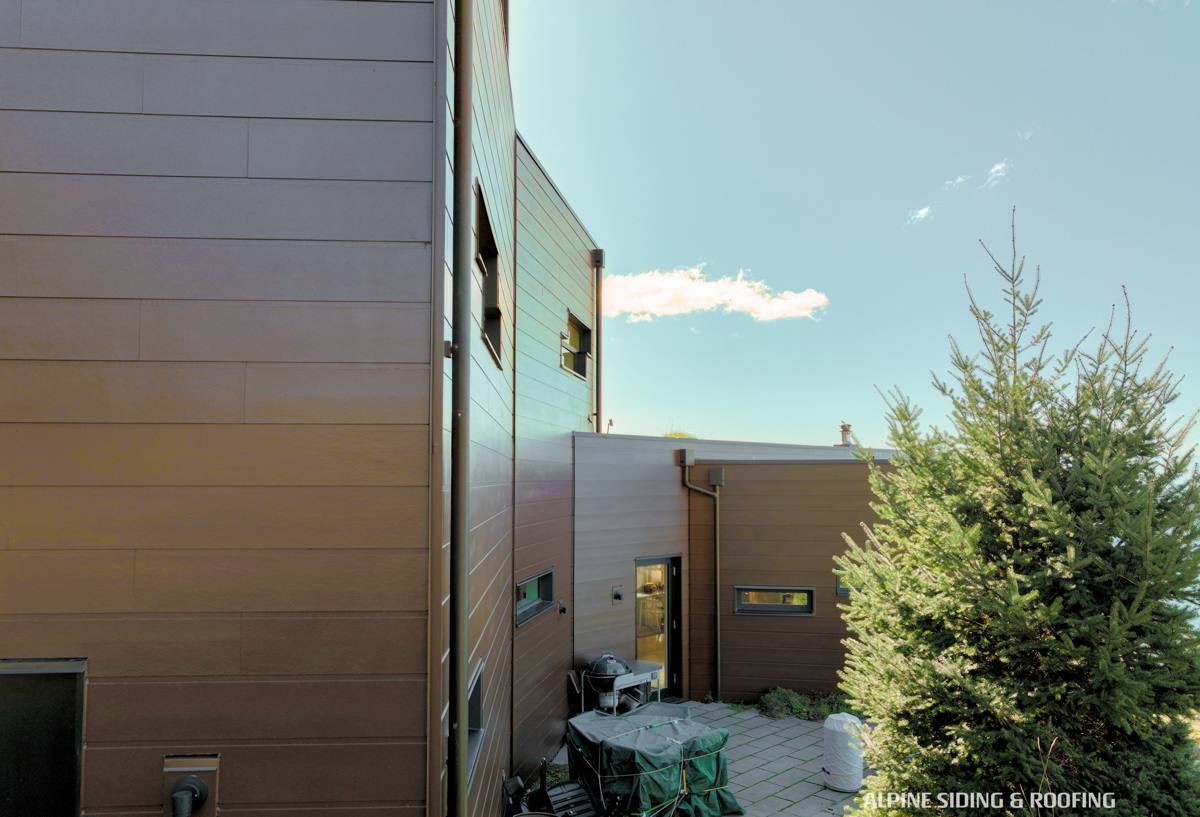
What Salt Air, Driving Rain, and Moss Actually Do to Windows
Salt Air and Metal Fatigue
Homes closer to Bellingham Bay and the surrounding waterways get a steady, low-grade dose of salt in the air. Over years, that salt accelerates corrosion on window hardware, aluminum frames, and fasteners that aren't rated for coastal exposure. Cheaper hardware pits and seizes; screws and cranks that once turned smoothly start to bind or snap off.
Driving Rain and Wind-Driven Water
Whatcom County doesn't just get rain, it gets rain pushed sideways by wind off the water. That matters because a window opening doesn't just need to shed water that falls on it, it needs to resist water being forced up and under trim, siding, and flashing during a storm. Flashing and sill pan details that would pass in a calmer climate aren't enough here.
Moss and Long-Term Moisture Buildup
Whatcom County's moss season runs long, and it isn't just a roof problem. Moss and algae take hold on north-facing sills, in corners where water sits, and along trim that stays damp for days at a time. Left alone, that growth holds moisture against wood trim and sheathing, which is exactly the condition that leads to rot around a window opening.
Signs a Birchwood Home's Windows Need Attention
Most window failures don't show up as a dramatic leak. They show up slowly, usually around the frame and trim rather than the glass itself.
- Soft or discolored wood trim or sill around the window, especially on north- or west-facing walls
- Moss or dark green/black staining building up on sills or at corners year after year
- Visible gaps, cracked caulk, or daylight around the frame where it meets siding or trim
- Condensation forming between the panes (a sign the seal has failed, not just normal indoor humidity)
- Windows that are harder to open, close, or lock than they used to be
- A musty smell or soft drywall near a window that's been ignored for a while
- Noticeably higher heating bills without another clear explanation
Any one of these on its own might be minor. Several together usually mean water has been getting behind the trim for a while, and it's worth having someone look at the opening itself, not just the glass.
What a Correct Window Installation Actually Involves
The window itself is only part of the job. In this climate, how it's installed matters as much as what's installed. A correct install addresses four things at the opening, in order.
Sill Pan and Flashing First
Before a window ever goes in, the rough opening needs a sloped sill pan and properly lapped flashing so any water that does get past the exterior finish drains back out instead of sitting on the sill or running into the wall. This is the single most important detail for a home dealing with driving rain, and it's also the step that gets skipped or done poorly on rushed jobs.
Continuous Moisture Barrier Integration
The window's flashing has to tie into the home's existing weather-resistive barrier correctly, shingled so water always moves downward and outward, never trapped behind a layer that dead-ends into the framing.
Air Sealing and Insulation Around the Frame
Gaps between the window frame and the rough opening need to be sealed with a proper low-expansion foam or backer rod and sealant, not stuffed with loose fiberglass, which does nothing to stop air movement and can hold moisture against the frame.
Correct Glazing and Hardware for Coastal Exposure
Given the salt air, hardware and cladding materials matter. Stainless or coated fasteners and hardware rated for coastal or marine exposure hold up far longer than standard-grade hardware, which is worth the modest upcharge on a home this close to the water.
Choosing Window Materials for This Climate
There's no single "best" window material for every home, but some hold up better than others against salt air, sustained moisture, and moss-prone shade. Here's how the common options compare for a Birchwood application specifically.
| Material | How it handles salt air & moisture | Maintenance | Notes for this climate |
|---|---|---|---|
| Vinyl | Doesn't corrode; welded corners resist water intrusion well | Low | Good all-around choice; quality varies widely by manufacturer |
| Fiberglass | Very stable, resists warping and doesn't corrode | Low | Higher upfront cost, strong long-term performance in wet climates |
| Wood-clad | Exterior cladding protects wood, but any breach exposes wood to rot | Moderate to high | Attractive option, but install quality and caulk maintenance matter more here than almost anywhere |
| Aluminum (uncoated or budget-grade) | Prone to pitting and corrosion in salt air over time | Moderate | We steer clients away from budget aluminum near the water; the long-term corrosion and thermal performance trade-offs aren't worth the upfront savings |
We're not tied to one brand or material, and we'll tell you honestly if a product isn't a good match for a given wall, exposure, or budget rather than push whatever we have on hand.
Our Window Installation Process
- On-site assessment — we look at each opening individually, including existing trim, flashing condition, and any signs of past moisture problems, not just the glass.
- Honest scope and options — you get a clear picture of what's actually needed: full-frame replacement, retrofit/pocket replacement, or trim and flashing repair alongside new windows.
- Removal and opening inspection — once the old window is out, we check the sheathing and framing underneath for hidden rot or moisture before anything new goes in. This is often where problems that caused the original failure get found.
- Sill pan, flashing, and barrier integration — done in the correct order, tied into the home's existing weather barrier.
- Window installation, shimming, and air sealing — set level and plumb, sealed properly, no shortcuts on the foam or sealant.
- Exterior trim and finish work — trim and caulking finished to shed water, not just to look clean.
- Final check — operation, locking, weatherstripping, and a walkthrough with you before we consider the job done.
Energy Codes and Permits
Washington's energy code sets minimum performance requirements for replacement windows, and Whatcom County permitting applies depending on the scope of the work. We handle the code and permit side of the job as part of the process so you don't have to figure out U-factor requirements or permit thresholds yourself. What matters for you is that the windows installed meet or beat code minimums for this climate zone, not just pass on paper.
What Affects the Cost
Every home is different, but the main cost drivers on a Birchwood window job are consistent enough to talk through honestly up front.
| Factor | Why it matters |
|---|---|
| Full-frame vs. retrofit replacement | Full-frame costs more but is often the right call when trim or sheathing shows moisture damage |
| Number and size of openings | Larger and specialty-shaped windows cost more in materials and labor |
| Material (vinyl, fiberglass, wood-clad) | Upfront cost and long-term maintenance trade off against each other |
| Hidden damage found during removal | Rotted sheathing or framing found once the old window is out adds cost, but skipping the repair just hides the problem |
| Access and site conditions | Second-story or hard-to-access openings take more time and equipment |
We'll walk through actual numbers for your home during an estimate rather than quote a price sight unseen — too much of the cost depends on what we find at the opening itself.
Why It Matters That We Work in Birchwood Regularly
A crew that installs windows across different climate zones treats every job the same way. A crew that works Whatcom County and neighborhoods like Birchwood regularly knows which walls take the worst of the driving rain, which exposures grow moss fastest, and which hardware and materials hold up to the salt air instead of failing early. That local pattern recognition is what separates a window that lasts fifteen years from one that's showing rot at the sill in five.
If you're noticing drafts, moisture, sticking windows, or just want a straight answer on whether repair or replacement makes sense for your home, we're happy to take a look. Reach out for a free, no-pressure estimate using the form below.