 Whatcom County
 Why Bellingham Roofs Age Differently
A roof in Bellingham does not fail the same way a roof does in a dry inland climate. It fails from the top down and from the inside out — granule wear from constant rain, moss mats that hold moisture against the deck, and salt-laden air off Bellingham Bay that speeds up corrosion on fasteners, flashing, and vents. Add in wind gusts that come through in the shoulder seasons, and you get a roof that can look fine from the driveway while it is quietly losing ground underneath.
Most of Whatcom County shares this exposure to some degree, but homes closer to the water and homes tucked under mature tree cover in and around Bellingham tend to show wear faster than homes on open, sunny lots further inland. That is not a reason to over-build every roof — it is a reason to build each one correctly for where it actually sits.
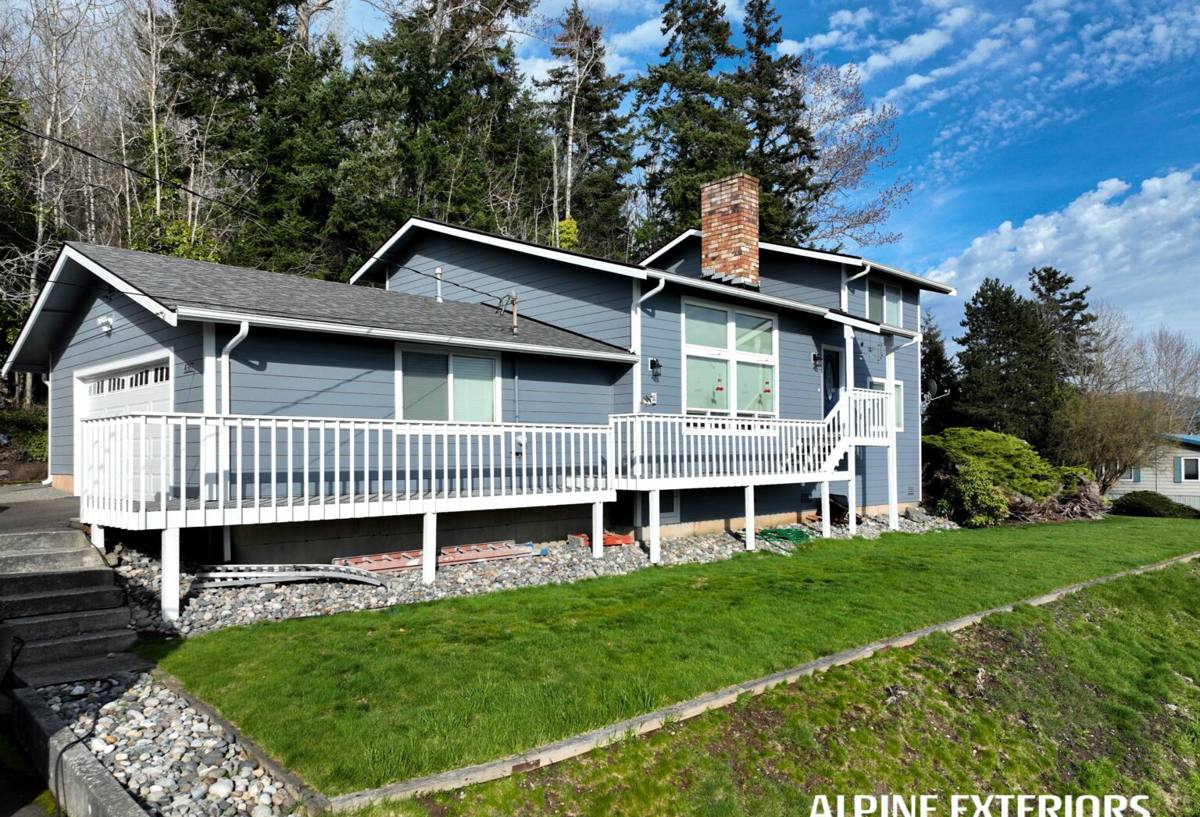
Signs a Bellingham Roof Needs Replacing, Not Just Patching
Not every roof problem calls for a full tear-off. But there is a point where patching becomes a waste of money, and in a climate this wet, that point arrives faster than homeowners expect. Here is what tells us a roof has crossed that line:
- Shingles that are cupping, curling, or have lost most of their granules, leaving a dark, blotchy surface
- Moss mats thick enough to hold water against the shingles for days after a storm
- Soft spots or noticeable sag when walking the roof or viewing it from a ladder
- Water stains, discoloration, or musty smells in the attic, especially near valleys and chimneys
- Multiple layers of shingles already on the roof from past re-roofs
- A roof that is 20-25+ years old, regardless of how it looks from the ground
- Missing or lifted shingles after a windstorm, especially in clusters rather than one or two
- Daylight visible through the roof deck from inside the attic
If a roof is showing two or more of these at once, replacement is almost always the more honest recommendation than another round of patching.
What a Correct Roof Replacement Actually Involves
A roof replacement is more than swapping old shingles for new ones. In a climate that gets sustained rain for months at a stretch, the parts you cannot see from the ground matter as much as the finished surface.
Tear-Off and Deck Inspection
We remove the old roofing down to the deck rather than layering over it. That is the only way to actually see the plywood or plank sheathing underneath, catch soft or rotted sections from long-term moisture, and confirm the deck is fastened and flat before anything new goes down.
Underlayment and Moisture Barriers
Underlayment is the roof's real waterproofing layer — shingles shed most of the water, but underlayment is what protects the deck if wind-driven rain gets under them, which happens more often here than in drier regions. We use ice-and-water membrane at eaves, valleys, and around any roof penetration, with synthetic underlayment across the rest of the deck.
Ventilation
Balanced intake and exhaust ventilation keeps moist attic air from condensing against the underside of the deck, which is one of the quieter causes of rot and premature shingle failure in wet coastal climates. A roof can be installed perfectly and still fail early if the attic underneath it cannot breathe correctly.
Flashing at Every Transition
Chimneys, skylights, sidewall intersections, and vent pipes are where most roof leaks actually start — not in the open field of shingles. We flash these with new metal rather than reusing old flashing or relying on sealant alone, since sealant degrades faster than metal in constant wet-dry cycling.
Choosing a Roofing Material for This Climate
There is no single "best" roofing material for Whatcom County — the right choice depends on the home's exposure, roof pitch, budget, and how much long-term maintenance the homeowner wants to take on. Here is how the common options compare for a Bellingham home:
| Material | Typical Lifespan | Moss/Algae Resistance | Maintenance | Upfront Cost |
|---|---|---|---|---|
| Architectural asphalt shingles | 25-30 years | Good with algae-resistant granules; still needs periodic moss removal | Moderate — occasional cleaning, gutter checks | Lowest |
| Standing seam metal | 40-50+ years | Excellent — sheds moss and debris, little surface for growth to grip | Low — mainly fastener and sealant checks over time | Highest |
| Synthetic/composite shingle or slate | 30-50 years | Good to very good depending on product | Low to moderate | Mid to high |
Asphalt architectural shingles remain the most common choice for good reason — modern algae-resistant lines hold up well here, they are the most budget-friendly option, and repairs are straightforward if a tree limb or storm ever damages a section. Metal is worth the higher upfront cost on steep-pitch roofs, homes closer to the water, or for owners who want to minimize roof maintenance for decades. We size up the roof and the budget honestly before recommending one over the other rather than pushing whichever carries the better margin.
Moss, Algae, and Salt Air: What Long-Term Care Looks Like
Even a well-installed roof needs some ongoing attention in this climate. Moss and algae are not signs of a bad roof — they are a normal result of shade, moisture, and mild temperatures, which describes most of Whatcom County for a good part of the year. The difference between a roof that lasts its full rated lifespan and one that fails early usually comes down to whether that growth is kept in check.
Zinc or copper strips near the ridge let rain carry trace metal down the roof slope, which discourages new moss growth without harsh chemical treatments. Keeping gutters and valleys clear of needles and debris prevents standing water from sitting against shingle edges. And gentle, low-pressure moss removal — never high-pressure washing, which strips granules and shortens shingle life — should happen every couple of years on shaded roofs. Salt air near the bay also accelerates corrosion on exposed fasteners and metal flashing, which is one more reason we use corrosion-resistant fasteners and flashing rather than the cheapest available hardware.
Our Roof Replacement Process
- On-site inspection and estimate. We walk the roof (weather permitting) or inspect from the eaves and attic, check the deck condition where accessible, and give a written estimate with no pressure to sign on the spot.
- Material selection. We go over shingle or metal options, colors, and warranty terms based on the home's exposure and the owner's budget and priorities.
- Scheduling around the weather. Roofing work needs a dry deck to do correctly. We schedule with realistic weather windows in mind rather than promising dates we cannot guarantee in a rainy season.
- Tear-off and deck repair. Old roofing comes off, the deck is inspected, and any damaged sheathing is replaced before anything new is installed.
- Underlayment, flashing, and ventilation installed. This is the stage that determines how the roof performs during the next decade of Pacific Northwest storms, not just how it looks on install day.
- New roofing installed to manufacturer specification. Correct nailing patterns and exposure matter for wind rating and warranty validity — this is not a step to rush.
- Cleanup and final walkthrough. We clear debris, run a magnetic sweep for stray fasteners, and walk the finished roof with the homeowner before calling the job done.
What Drives the Cost of a Bellingham Roof Replacement
Every roof is different, and we are not going to quote a number without seeing the roof, but these are the factors that move the price up or down:
| Factor | Why It Matters |
|---|---|
| Roof size and number of layers to remove | More tear-off labor and disposal, especially with existing multi-layer roofs |
| Roof pitch and accessibility | Steeper roofs and tight lot access require more safety setup and time |
| Deck condition | Rotted or soft sheathing found during tear-off needs replacement before new roofing goes on |
| Material choice | Asphalt, synthetic, and metal carry different material and labor costs |
| Number of penetrations and valleys | Chimneys, skylights, and valleys each require extra flashing work |
| Ventilation upgrades needed | Adding or correcting intake/exhaust venting affects both labor and materials |
Why Local Experience in Bellingham Matters
A roof replacement is a physical, weather-dependent job, and doing it well in Whatcom County means planning around this region's specific rhythms — not treating it like a generic project. A crew that regularly works Bellingham roofs already knows how to read the wet-season forecast realistically, when a "dry window" is actually long enough to safely tear off and dry-in a roof, and which parts of a roof (north-facing slopes, valleys under tree cover, low-slope sections) need extra attention because of how sun and shade fall across the county. That local pattern recognition is not something a crew learns overnight, and it is the difference between a roof that performs as expected and one that develops problems in its first wet winter.
Local experience also means understanding permitting norms for the area and knowing which manufacturer wind and moisture warranty requirements actually apply to homes exposed to marine air, so the paperwork protects the homeowner rather than just sitting in a drawer.
Warranty and What Happens After Installation
A roof replacement should come with two layers of coverage: a manufacturer warranty on the materials themselves, and a workmanship warranty from the contractor covering the installation. We go over both in plain terms before work starts, including what voids manufacturer coverage (like incorrect nailing or lack of ventilation) so homeowners understand exactly what they are protected against and for how long. We also recommend a simple annual check — clearing debris, glancing at flashing points, and looking for early moss growth — since catching small issues early is what keeps a well-installed roof performing for its full expected lifespan in this climate.
If your roof is showing its age or you just want an honest read on how much life it has left, we are glad to take a look. Fill out the form below for a free, no-pressure estimate on your Bellingham home.