 Whatcom County
 Window Installation in Sunnyland: Built for Whatcom County Conditions
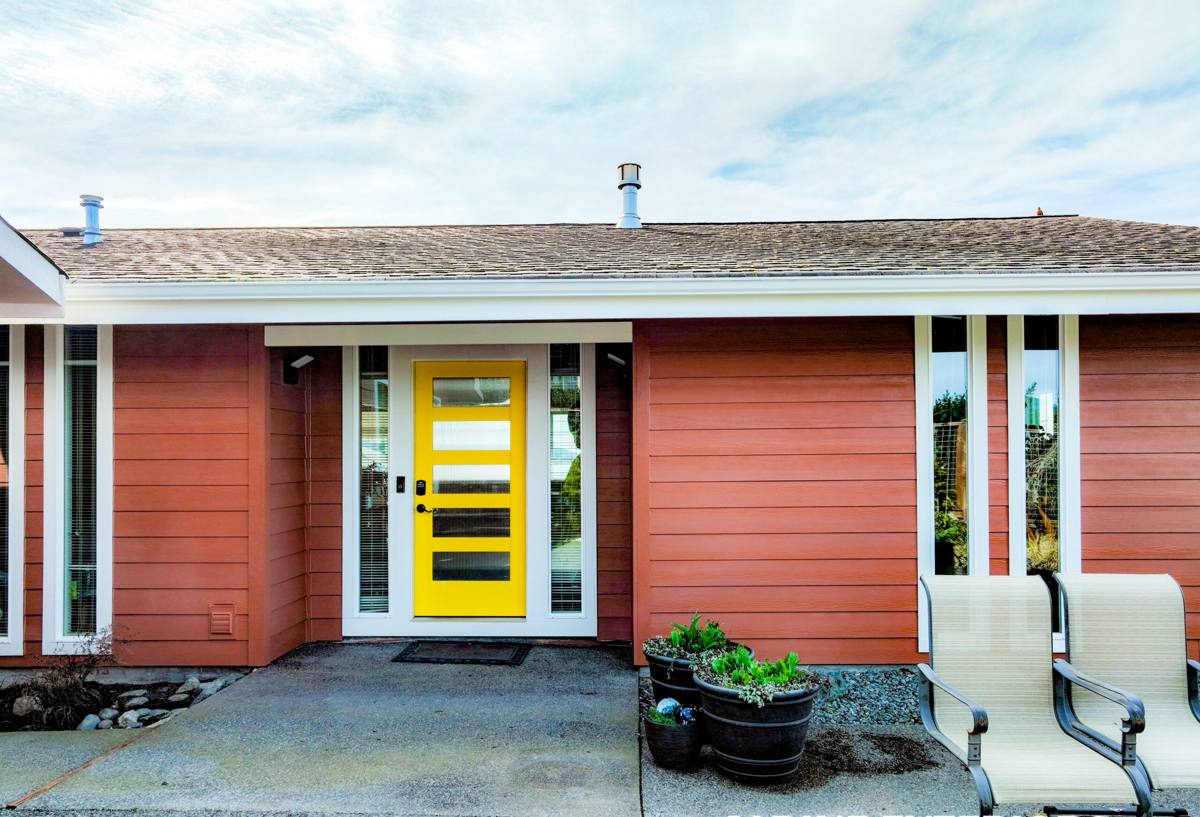
Sunnyland's older housing stock and mature tree canopy make it one of the more distinctive neighborhoods we work in around Whatcom County. Many of these homes still carry their original single-pane or early double-pane windows, and the wood trim around them has usually taken a beating from decades of wet winters. When we install replacement windows here, we're not just swapping glass — we're addressing how the whole opening handles moisture, wind-driven rain, and the salt-tinged air that rolls in off Bellingham Bay.
This page covers what window installation actually involves for a Sunnyland home, what correct work looks like versus a rushed job, and why local experience matters more than most homeowners expect until something goes wrong.
Why Sunnyland's Climate Changes the Job
Whatcom County sits in a marine climate zone, and Sunnyland's proximity to the water adds a few extra variables to the mix. None of this is exotic — it's the same weather pattern that shapes exterior work across the whole county — but it does mean a window installer working here needs to plan for a few specific things:
- Salt air corrosion: Coastal proximity accelerates corrosion on unprotected fasteners, hinges, and lower-grade hardware. Cheaper window components degrade faster here than they would inland.
- Driving rain: Wind off the bay doesn't just fall — it pushes rain sideways into wall assemblies. Flashing details around the window opening matter more here than in calmer inland areas.
- Long moss season: Extended damp periods let moss and algae establish on sills, trim, and anything with a horizontal surface that holds moisture. Left unaddressed, moss retains water against wood and finish surfaces far longer than rain alone.
- Older wood trim: Many Sunnyland homes have original or early-replacement wood window surrounds. Years of moisture cycling often mean hidden rot behind trim that looks fine from the street.
None of these issues are dealbreakers. They just mean the installation has to be done with the right sequencing and materials, not treated as a generic swap.
What Happens When Installation Ignores These Factors
The most common failure we see isn't a bad window — it's a good window installed without proper flashing or sealant detailing. Water finds its way behind the trim, and because Whatcom County's wet season runs long, that moisture doesn't get a chance to dry out before the next storm arrives. Over a few seasons, that shows up as soft trim, stained interior sills, or bubbling paint. It's a slow problem, which is exactly why it's easy to miss until the damage is significant.
What a Correct Window Installation Actually Involves
A proper installation is a sequence, not a single step. Skipping or rushing any part of it is where problems start.
- Assessment of the existing opening. Before anything is removed, we check the condition of the framing, sill, and surrounding wall for rot, soft spots, or prior water intrusion — common in older Sunnyland homes.
- Careful removal of the old window and trim. This step often reveals the true condition of the opening. Any compromised sheathing or framing gets addressed before a new window goes in — putting a new window into a damaged opening just hides the problem.
- Proper flashing installation. Sill pan flashing, integrated with the home's weather-resistive barrier, directs any water that gets past the window back out rather than into the wall cavity. This is the single most important step for driving-rain resistance.
- Correct shimming and leveling. A window that isn't shimmed properly won't operate correctly and can stress the frame over time, leading to seal failures.
- Air sealing and insulation. Low-expansion foam or backer rod around the perimeter closes air gaps without bowing the frame — a mistake we see with overfilled spray foam on lower-end installs.
- Exterior sealant and trim work. Sealant compatible with the siding material and finish trim that sheds water rather than trapping it against the wall.
- Final operation check. Every window gets tested for smooth operation, proper locking, and a clean seal before we consider the job done.
Choosing the Right Window for a Sunnyland Home
There isn't one "best" window for every house — it depends on the home's age, orientation, and how much upkeep the owner wants to take on. Here's how the common options compare for this specific climate:
| Frame Material | Moisture Performance | Maintenance | Best Fit |
|---|---|---|---|
| Vinyl | Good — won't rot, handles moisture well | Low | Most Sunnyland homes, especially budget-conscious replacements |
| Fiberglass | Excellent — very stable in wet/dry cycling | Low | Homes wanting a longer-term investment with minimal upkeep |
| Wood (clad exterior) | Good if maintained; vulnerable if finish fails | Higher | Historic-style homes where interior wood aesthetics matter |
| Aluminum | Poor in this climate — prone to condensation and corrosion near salt air | Moderate | Generally not recommended for coastal Whatcom County |
We're upfront that we steer most Sunnyland homeowners away from bare aluminum frames near the water — not because the product is inherently bad, but because unclad aluminum conducts cold and is more prone to condensation and corrosion issues in a marine climate. That's a maintenance and longevity trade-off worth knowing before you buy, not a knock on any manufacturer.
Glass Package Considerations
Double-pane, low-E glass is the standard baseline for this region and handles Whatcom County's temperature swings well. Triple-pane adds cost and weight but delivers only marginal benefit in our moderate climate — it's more commonly justified in colder inland or mountain areas. For most Sunnyland homes, a quality double-pane low-E unit with good gas fill and warm-edge spacers is the practical choice.
Our Process for Sunnyland Projects
We keep the process straightforward so homeowners know what to expect at each stage:
- On-site walkthrough: We look at every window being replaced, check the surrounding trim and siding condition, and talk through options based on your home's specific exposure.
- Written estimate: Clear scope, materials, and timeline — no vague line items.
- Scheduling around weather: Window openings are exposed during installation, so we plan around Whatcom County's forecast to minimize the time any opening sits uncovered.
- Installation: Most homes take one to a few days depending on the number of windows and condition of the openings.
- Cleanup and walkthrough: We review each window's operation with you before we consider the job finished.
Cost Factors Worth Understanding
We won't quote specific numbers here since every home differs, but these are the main factors that move a Sunnyland window project's cost up or down:
| Factor | Why It Matters |
|---|---|
| Number of windows | Per-unit cost typically drops slightly with larger orders |
| Frame material | Fiberglass and premium vinyl cost more upfront than budget vinyl |
| Hidden rot or damage | Common in older homes here; repair adds labor and material cost |
| Window size and type | Custom shapes, large picture windows, and egress-code units cost more than standard sliders |
| Trim and siding integration | Matching existing trim profiles or siding takes more time than a simple swap |
The biggest cost surprises usually come from hidden rot discovered once old trim comes off — which is exactly why the inspection step at the start of the job matters. We flag this possibility upfront rather than after the fact.
Signs Your Sunnyland Windows Need Attention
A quick self-check before calling anyone:
- Visible moss or algae buildup on sills or trim that keeps returning after cleaning
- Soft or spongy wood trim around the window frame
- Drafts or noticeable temperature difference near the window
- Difficulty opening, closing, or locking the window
- Condensation between the panes (a sign the seal has failed on a double-pane unit)
- Visible daylight or gaps around the frame from outside
- Peeling or bubbling interior paint near the sill
Any one of these on its own isn't necessarily urgent, but a combination — especially soft trim plus moss buildup — usually means moisture has been getting in longer than it should have.
Why Local Experience in Sunnyland Matters
A crew that's worked this specific neighborhood knows the general age and construction patterns of the housing stock, understands how the local exposure to wind and rain off the bay affects flashing decisions, and isn't guessing at how Whatcom County's wet season will interact with an open wall cavity mid-project. That familiarity shows up in small decisions — how sequencing is planned around weather, how flashing details are handled at the sill, what to expect when old trim comes off — that a crew unfamiliar with the area might get wrong on the first try.
It also matters for accountability. A contractor who works Sunnyland regularly has a reputation to maintain in the neighborhood, not just a one-off job to complete and move on from.
Get a Straightforward Estimate
If your Sunnyland home has windows showing their age — or you're just planning ahead before the next wet season sets in — we're happy to take a look and give you an honest assessment. There's no pressure and no obligation. Fill out the form below to schedule a free estimate.