 Whatcom County
 Building a Deck That Actually Holds Up in Birchwood
Birchwood sits close enough to Bellingham Bay and the Salish Sea that salt air is a real factor in how a deck ages, not just a talking point. Add Whatcom County's long wet season, frequent driving rain off the water, and the months of low sun and shade that let moss take hold on any horizontal surface, and you've got a climate that is genuinely harder on outdoor structures than most of the country. A deck built to a generic national spec will often look fine for a year or two and then start showing problems: rust bleeding from fastener heads, soft spots where water sat too long, boards that stay slick with moss from October through April. A deck built for this specific climate looks and performs the same way ten years later.
This page is about what that actually takes for a Birchwood property: material choice, framing details, fastener selection, drainage, and the maintenance habits that keep a good build good.
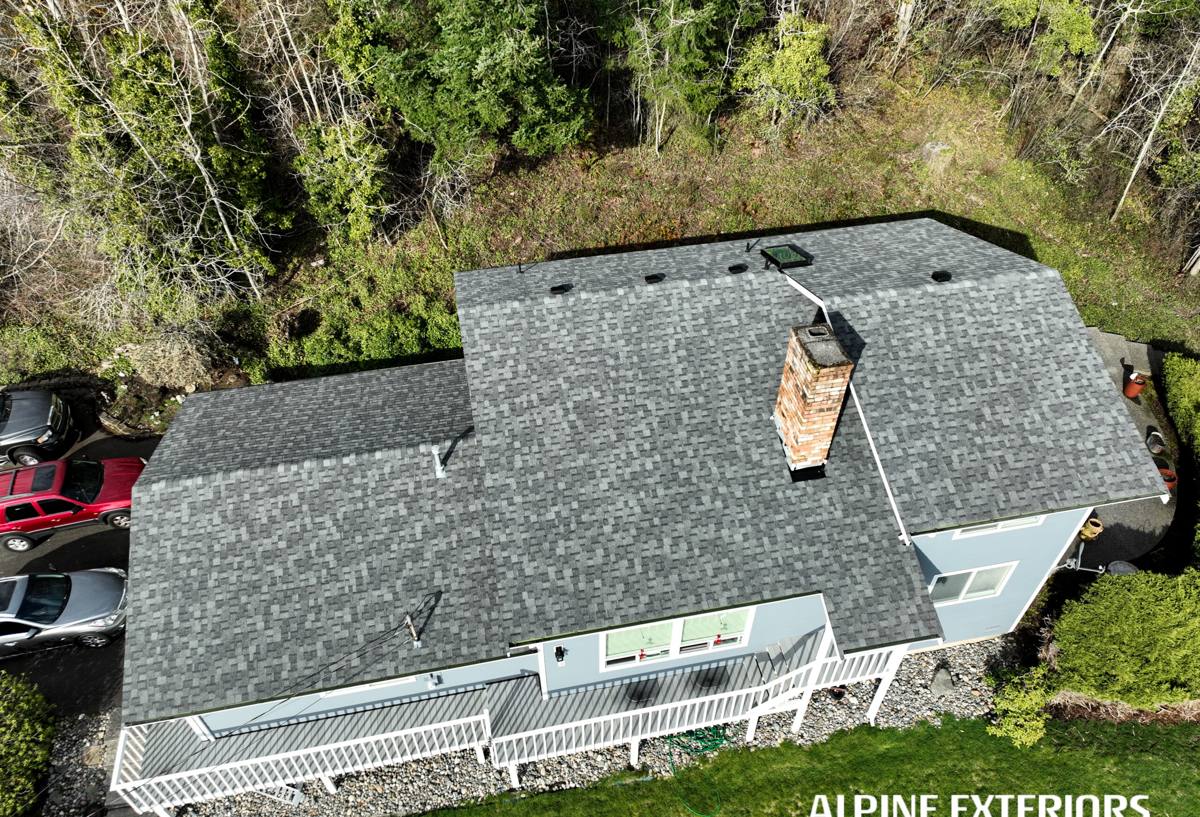
What Whatcom County's Climate Does to an Outdoor Deck
Salt Air and Corrosion
Homes closer to the water deal with airborne salt that accelerates corrosion on any exposed metal. Over time, standard galvanized fasteners and hardware can start to rust, staining the decking around them and weakening the connection long before the wood itself fails. This isn't a reason to avoid a deck near the water — it's a reason to spec the right hardware from the start.
Driving Rain and Standing Water
Whatcom County gets a lot of rain, and a fair amount of it comes in sideways during winter storms. Decks that don't shed water well, or that trap it against the house at the ledger board, are where rot problems start. This is almost always a design and flashing issue, not a wood quality issue.
Moss Season
From fall through spring, anything horizontal and shaded in this part of Washington grows moss if it isn't designed to dry out. On a deck, moss isn't just cosmetic — it holds moisture against the board surface and turns into a slip hazard on stairs and walking surfaces. Board spacing, surface texture, and how much sun and airflow a deck gets all factor into how bad this problem gets.
Choosing Decking Material for a Birchwood Home
There's no single "right" decking material — it depends on budget, how close the home is to the water, and how much upkeep the owner wants to do. Here's how the common options actually compare for this climate.
| Material | Moisture & Moss Behavior | Salt Air Durability | Maintenance |
|---|---|---|---|
| Pressure-treated fir/hem-fir | Absorbs water if not sealed; moss grows on unsealed, shaded boards | Wood itself is fine; hardware needs to be corrosion-rated | Needs re-sealing every 1-2 years in this climate |
| Cedar | Naturally more rot-resistant, still needs to dry between rains | Good, but exposed fasteners still need to be corrosion-rated | Periodic sealing to hold color and resist checking |
| Composite (capped) | Won't rot; can still grow surface moss if never gets sun | Excellent — no wood to corrode from within | Low; occasional cleaning to prevent moss buildup |
| PVC decking | Fully moisture-resistant | Excellent | Lowest; simple washdowns |
Composite and PVC cost more up front but remove most of the moisture-related maintenance that wood requires in a climate this wet. Real wood, especially cedar, still has a place — it's a good option for owners who want the traditional look and are willing to reseal it on a schedule. We'll walk through the honest trade-offs for your specific site rather than push one product across the board.
What's Underneath Matters More Than What's On Top
The decking surface is what people notice, but the framing underneath is what determines whether the deck lasts. This is where a lot of corner-cutting happens because it's invisible once the boards go down.
Ledger Board Flashing
The ledger board — where the deck attaches to the house — is the single most common failure point on decks in wet climates. Without proper flashing that directs water away from the house rim joist, water gets trapped between the ledger and the siding and rots both from the inside out, often for years before it's visible. Correct flashing here is non-negotiable on every deck we build.
Joist Protection
Joist tape or a comparable moisture barrier on top of each joist keeps water from sitting directly on cut lumber where it's most vulnerable to rot. It's a small material cost that pays for itself many times over in framing life.
Footings and Drainage
Footings need to go below frost depth per Whatcom County code, and the ground around them needs somewhere for water to go. Poor grading or footings set in a low spot that collects runoff is a slow-motion problem that shows up as a settling or wobbly deck years later.
Fasteners and Hardware: Where Salt Air Actually Bites
This is the detail that separates a deck that looks fine from a distance from one that's actually built for this area. Standard galvanized screws and joist hangers are rated for general outdoor use, but in a coastal-influenced climate like Birchwood's, they corrode faster than the wood around them. We spec stainless steel or high-grade coated fasteners and hardware rated for the actual exposure the deck will see — not the minimum the lumber code requires. It costs a bit more upfront. It's a lot cheaper than replacing hardware, or re-decking around rust-stained boards, in year six.
Design Choices That Fight Moss and Slip Risk
- Proper board spacing so water and debris drain through instead of pooling on the surface
- Orienting the deck and any covered areas to allow realistic sun and airflow exposure, not full permanent shade
- Textured or grooved board profiles on stairs and high-traffic areas to reduce slip risk when boards are damp
- Keeping planting beds and overhanging vegetation clear enough of the deck edge that they don't hold constant moisture against the structure
- Sizing gaps and drainage paths so leaf litter and moss spores don't have a place to sit and take hold
Our Deck Building Process
1. Site Visit and Design
We look at sun exposure, drainage, proximity to the water, and how the deck will actually be used before recommending materials. This is also where we talk through the honest cost and maintenance trade-offs between wood and composite options for your specific site.
2. Permitting
Most decks above a certain height or attached to the house require a permit in Whatcom County and the City of Bellingham, and guardrail height, stair geometry, and footing depth all have to meet code. We handle this step so it's done correctly the first time, not discovered as a problem during a future home sale.
3. Framing and Flashing
This is where the climate-specific details above — ledger flashing, joist protection, corrosion-rated hardware, proper footing depth — get built in. It's the part of the job that determines whether the deck is still solid in fifteen years.
4. Decking, Railing, and Finish
Surface material goes down last, along with railings and any stairs, finished to the spec agreed on at the design stage.
5. Final Walkthrough
We walk the finished deck with the homeowner, cover any maintenance recommendations specific to the materials chosen, and make sure everything meets both the design intent and code.
Maintaining a Deck Through a Whatcom County Winter
- Sweep leaves and debris off the deck surface regularly in fall before they trap moisture against the boards
- Clean visible moss growth off boards and stairs before it becomes a slip hazard, especially on shaded sections
- Check that gaps between boards stay clear so water keeps draining through rather than pooling
- Inspect fastener heads and visible hardware yearly for early rust staining, particularly on decks closer to the water
- Reseal wood decking on the schedule appropriate to the product — typically every 1-2 years in this climate
- Confirm gutters and downspouts near the deck are directing roof runoff away from the structure, not onto it
Why Hire a Crew That Already Builds in Birchwood
Deck framing and fastener choices that work fine in a drier inland climate are undersized for what Whatcom County actually throws at an outdoor structure over a decade. A crew that already works in and around Birchwood knows which details matter here — the ledger flashing, the hardware grade, the drainage and moss considerations — because we see the failures that show up when those details get skipped. We also know the permitting process with Whatcom County and the City of Bellingham, so the project moves without avoidable delays.
If you're planning a new deck or need an honest look at whether an existing one is still sound, we're happy to come take a look. Reach out for a free, no-pressure estimate using the form below.