 Whatcom County
 Why South Hill Homes Need a Roof Built for This Climate
South Hill homes deal with a specific combination of weather that a lot of roofing material simply isn't built to handle long-term: salt-laden air, long stretches of driving rain, and a moss season that can run most of the year. Any one of these on its own is manageable. Together, over years, they wear down roofing faster than most homeowners expect. A roof that looks fine in year three can be showing real problems by year eight if it wasn't matched to this environment from the start.
Metal roofing has become a popular answer for South Hill homeowners because it responds well to all three of these stresses at once, provided it's specified and installed correctly. This page focuses specifically on metal roofing for South Hill properties — what the climate demands, what a correct installation looks like, and how to tell a roofing crew that actually understands local conditions from one that's just passing through.
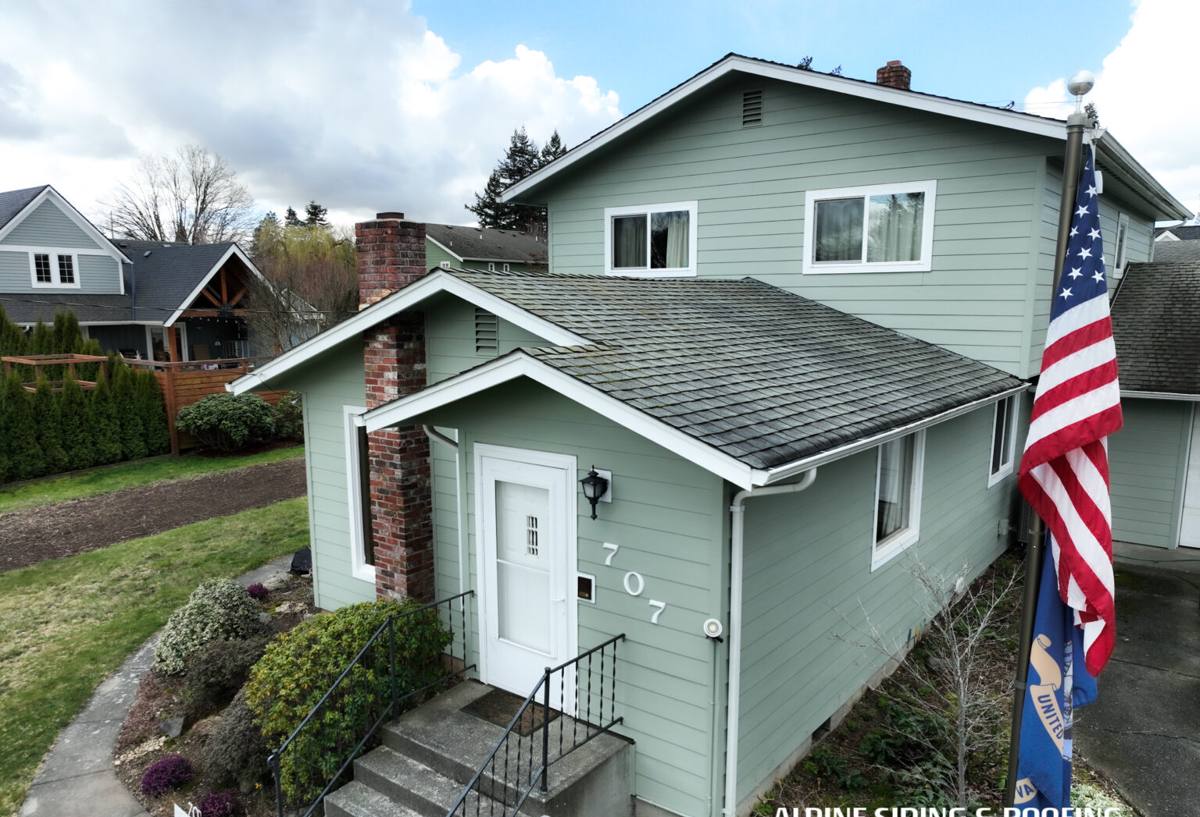
What Whatcom County Weather Does to a Roof
Salt Air and Corrosion
Homes closer to open water or tidal influence in Whatcom County are exposed to airborne salt that settles on every exterior surface, including the roof. Salt accelerates corrosion in metals that aren't properly coated or aren't rated for coastal exposure. This is one of the biggest reasons generic, big-box metal roofing products underperform here — a panel or fastener that's fine 50 miles inland can start showing rust streaks and pitting within a few years near the water.
Driving Rain
It's not just how much rain Whatcom County gets — it's how it arrives. Wind-driven rain doesn't just fall straight down; it gets pushed sideways and upward under laps, around penetrations, and into any gap that a fair-weather installation might get away with. A roof system here has to assume water will be tested from angles a dry-climate installer might never plan for.
Moss and Organic Growth
Consistent moisture plus shaded, north-facing slopes and tree cover common around South Hill properties creates ideal conditions for moss, lichen, and algae. On asphalt shingles, moss roots into the granule surface and lifts shingle edges, creating entry points for water. Metal roofing doesn't give moss the same foothold, but it isn't immune — debris buildup in valleys and around fasteners still needs to be managed.
Why Metal Roofing Fits South Hill Specifically
Metal roofing isn't automatically the right answer for every home or every budget, but for South Hill's specific climate mix, it solves several problems at once:
- Sheds wind-driven rain more effectively than lapped shingle systems when installed with proper underlayment and flashing detail
- Provides a much harder surface for moss and algae to establish a root system on compared to asphalt
- Available in coatings and alloys specifically rated for coastal/marine exposure, addressing the salt air issue directly
- Long service life reduces how often the roof is disturbed and re-exposed to installation risk
- Performs well under the heavier snow loads that occasionally hit higher elevations around Whatcom County
That said, metal roofing is unforgiving of shortcuts. A poorly installed metal roof can actually trap moisture or fail at fastener points faster than a well-installed asphalt roof. The material only delivers on its advantages when the installation matches the climate demands above.
What a Correct Metal Roofing Job Actually Involves
Material Selection
Not all metal roofing is equal, and the differences matter more in a coastal-influenced climate like South Hill's than they would somewhere drier and inland.
| Factor | Why It Matters Here |
|---|---|
| Base metal and coating | Determines corrosion resistance against salt air exposure over decades, not just years |
| Panel profile (standing seam vs. exposed fastener) | Affects how well the system resists wind-driven rain intrusion at seams |
| Fastener quality and placement | Weak point for corrosion and leaks if mismatched to the panel material or over-driven |
| Underlayment | Backup water barrier that matters most when wind pushes rain under laps or around penetrations |
| Flashing detail at valleys, walls, and penetrations | Where the majority of real-world roof leaks originate, regardless of the field material |
Installation Sequence
- Tear-off and deck inspection — checking for rot, soft spots, or moisture damage from a prior roof's failures before anything new goes on
- Deck repair as needed — panels only perform as well as what they're fastened to
- Ice and water shield or full underlayment coverage at eaves, valleys, and penetrations, sized for this climate's rain volume
- Panel installation with attention to seam type, fastener spacing, and manufacturer-specified overlap
- Flashing at every transition — chimneys, skylights, sidewalls, valleys — done as a distinct step, not an afterthought
- Ridge and edge detailing to prevent wind uplift, which matters during Whatcom County's winter storm season
- Final inspection walking every seam and penetration before calling the job complete
Cost Factors Homeowners Should Actually Weigh
Metal roofing generally costs more upfront than asphalt shingles, but the comparison isn't as simple as sticker price. For South Hill homes specifically, a few factors shift the math:
| Factor | Impact |
|---|---|
| Roof complexity (valleys, dormers, penetrations) | More flashing detail work needed — more labor, more time |
| Proximity to water/salt exposure | May require upgraded coatings or alloys, raising material cost but extending service life |
| Existing deck condition | Rot or damage from a prior leaking roof adds repair cost before installation even starts |
| Panel profile chosen | Standing seam typically costs more than exposed-fastener panel but performs better against wind-driven rain |
| Roof access and pitch | Steeper or harder-to-access roofs add labor time regardless of material |
We'll always walk a homeowner through where their specific quote is coming from rather than quoting a flat number sight unseen — a roof's actual cost depends on what we find once we're up there.
Maintenance That Actually Matters in This Climate
Metal roofing is lower-maintenance than asphalt, but "low-maintenance" doesn't mean "no-maintenance" — especially with South Hill's moss season and rain volume. A short seasonal checklist:
- Clear debris from valleys and around penetrations before the fall rains set in
- Check gutters and downspouts for clogging that can back water up under roof edges
- Look for any signs of moss or algae staining and address it before it spreads to organic growth on adjacent surfaces
- Have flashing points inspected periodically — these are the most common failure point even on a well-installed metal roof
- After major windstorms, a quick visual check for lifted panels or displaced flashing is worth the time
Common Mistakes We See on Poorly Matched Roofs
A lot of the calls we get in South Hill aren't about metal roofing failing as a material — they're about installations that didn't account for the local climate in the first place. Common issues include undersized or missing underlayment in valleys, fasteners that weren't rated for coastal exposure and started corroding within a few years, flashing that was caulked instead of properly integrated, and panel systems chosen for appearance without regard for how they'd handle wind-driven rain. None of these are failures of metal roofing as a product — they're failures of matching the installation to the site conditions.
Why Hiring a Crew That Already Works South Hill Matters
A roofing crew that regularly works in South Hill and across Whatcom County has already seen how salt exposure, rain direction, and moss growth behave on roofs in this specific area — not in a training manual, but on actual jobs. That translates into better decisions on flashing detail, coating selection, and where to spend the budget versus where it's not needed. A crew unfamiliar with this climate may default to specifications built for a drier or less coastal-influenced region, which is exactly how roofs end up underperforming here years earlier than they should.
Local presence also matters after the installation is done. Warranty follow-up, storm-related inspections, and seasonal maintenance are all easier and faster when the crew that installed the roof is still working in the area, not hours away.
Our Process for South Hill Metal Roofing Projects
We start with an on-site inspection of the existing roof and deck, not a drive-by estimate. From there we walk through material and panel profile options based on your home's exposure, pitch, and complexity, give you a written estimate that breaks down where the cost is coming from, and schedule the work around weather windows that make sense for a proper installation — rushing a metal roof install into a rain event is how corners get cut. Once installed, we walk the roof with you before calling the job finished.
If you're weighing metal roofing for a South Hill home, we're happy to come take a look and give you a straight answer — including telling you if metal isn't the right fit for your specific roof. There's no pressure and no cost for the estimate; just fill out the form below and we'll get in touch.