 Whatcom County
 Siding Installation for Silver Beach Homes
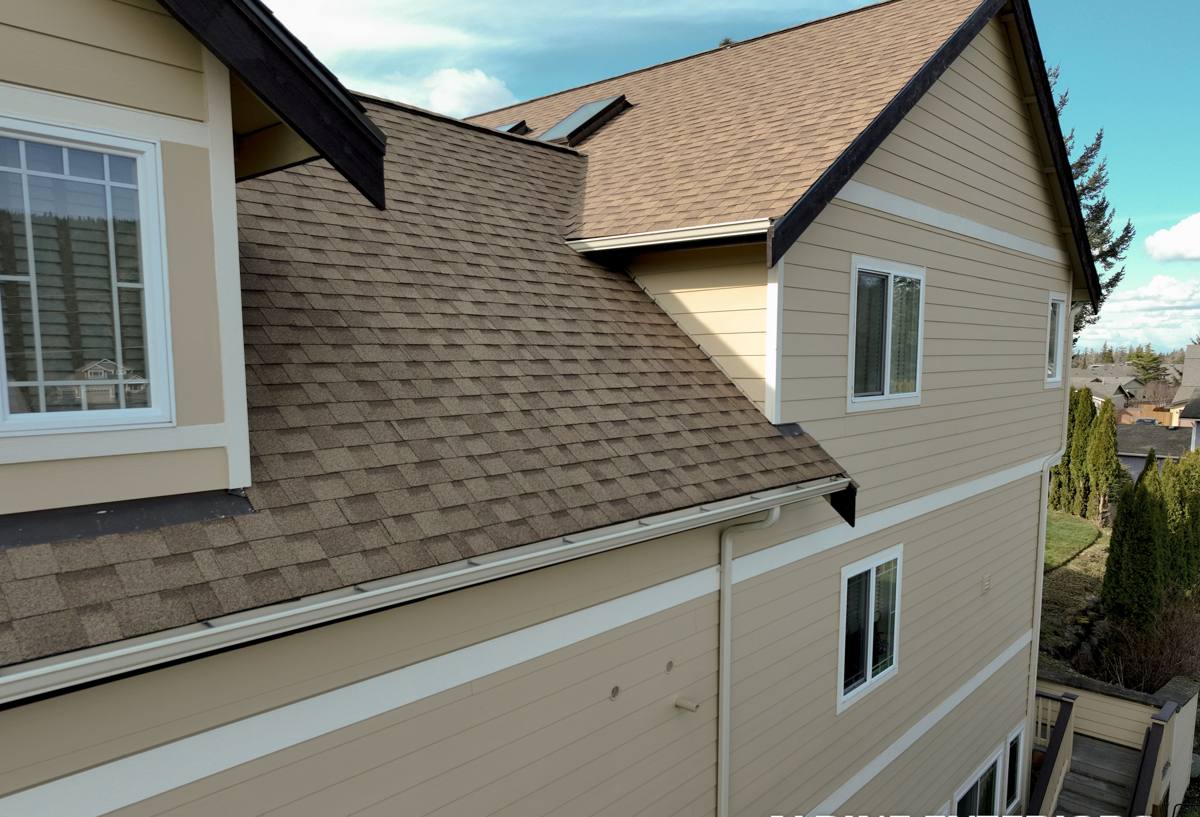
Silver Beach sits close to Lake Whatcom, tucked under mature tree canopy that shades most lots for a good part of the day. That shade is part of what makes the neighborhood attractive, but it's also exactly the condition that wears siding out early. Combine heavy tree cover with Whatcom County's long wet season and you get siding that stays damp longer than it does in more open, sun-exposed parts of the county. We've installed and repaired siding on enough homes in this part of the county to know what that combination does to a wall system over time, and we build every installation here around it.
This page covers one job in one place: full siding installation on homes in and around Silver Beach. Not a general overview of siding — the specific decisions that matter for this neighborhood's exposure, tree cover, and moisture pattern.
What Silver Beach's Climate Actually Does to Siding
Whatcom County's marine-influenced climate means driving rain, a long stretch of overcast damp weather, and a moss season that can run more than half the year on shaded surfaces. Even set back from open saltwater, homes in this area still deal with the same wind-driven rain events that push moisture sideways into wall assemblies, not just down onto the roof.
What that means specifically for Silver Beach:
- Shade slows drying. A wall that would dry out in a few hours in full sun can stay damp for a day or more under tree cover. Every hour of extra moisture exposure adds up over the life of a siding product.
- Moss and algae growth is heavier here than in open, sun-exposed neighborhoods. North-facing and tree-shaded elevations are the first to show green growth, and that growth holds moisture against the surface.
- Organic debris (needles, leaf litter, moss) collects at trim, butt joints, and anything with a flat catch surface. Left in place, it holds water right where siding is most vulnerable.
- Wind-driven rain off the lake and prevailing weather still finds gaps in flashing and caulk, even without direct coastal salt exposure.
None of this means siding fails fast in Silver Beach. It means the margin for installation error is smaller. A product and a install method that would get away with sloppy flashing in a drier climate won't get away with it here.
Why We Only Install James Hardie Fiber Cement
We standardized on James Hardie fiber cement for every siding installation we do, including here in Silver Beach, and we don't install vinyl, LP SmartSide, Cemplank, Allura, primed spruce, or cedar. That's a deliberate call, not a brand preference, and it comes down to how each material behaves under sustained damp, shaded conditions like this neighborhood has.
Fiber cement is non-combustible and dimensionally stable — it doesn't swell, cup, or delaminate the way wood-based or engineered-wood siding can when it stays wet for extended periods. In a neighborhood where shade keeps walls damp longer, that stability matters more than it would somewhere drier and sunnier. Hardie's ColorPlus factory finish also holds up to the constant damp-then-dry cycling better than field-applied paint, which means less repainting and fewer opportunities for water to get behind a coating that's starting to fail.
We're not going to tell you cedar or engineered wood siding are bad products across the board — they have real strengths and plenty of homes wear them fine. What we will say is that under Silver Beach's specific combination of shade, moisture retention, and moss pressure, we've made the professional call that fiber cement is the material we're willing to warranty and stand behind. That's why it's the only thing we put on a wall.
What a Correct Installation Involves Here
The siding panel itself is only part of the job. Most siding failures we get called out to inspect in shaded, damp neighborhoods trace back to what's underneath the panel or how the details around openings were handled — not the panel material itself.
Water Management Behind the Siding
Every installation starts with a proper weather-resistive barrier and a drainage plane that lets any moisture that gets past the siding find its way back out instead of sitting against the sheathing. In a neighborhood where walls dry slowly, a drainage gap behind the panel isn't optional — it's the difference between incidental moisture drying out in a day and it sitting there for a week.
Flashing at Every Penetration
Windows, doors, hose bibs, light fixtures, and deck ledgers are the points where wind-driven rain actually gets in. We flash each one to shed water down and out, lapped correctly with the weather barrier — not caulked over as a substitute for real flashing. Caulk is a backup, not a water management strategy.
Clearances That Account for Moss and Debris
We hold siding up off decks, patios, and grade with the manufacturer's minimum clearance, and we're deliberate about trim and butt joint gaps so that needles and leaf litter don't have a flat shelf to collect on right against the plane. That's a small detail that has an outsized effect on how much moss and organic buildup a wall accumulates over a few years under tree cover.
Fastening and Panel Layout to Hardie's Spec
Fiber cement performs the way it's rated to only when it's fastened, gapped, and lapped exactly to the manufacturer's installation instructions. We follow Hardie's published specs for fastener placement, panel gaps, and joint treatment on every job — that's what keeps the warranty valid and keeps the wall performing over decades, not just years.
Comparing Siding Approaches for a Shaded, Damp Lot
| Factor | Vinyl | Wood/Engineered Wood | James Hardie Fiber Cement |
|---|---|---|---|
| Behavior under sustained shade/damp | Can warp or bow with heat/cold cycling; doesn't address moss | Prone to swelling, rot, and paint failure if moisture is retained | Dimensionally stable wet or dry |
| Moss/algae resistance | No inherent resistance; surface holds growth | Porous surface holds growth and moisture together | Factory finish resists staining; growth cleans off the surface rather than into it |
| Fire resistance | Combustible | Combustible | Non-combustible |
| Finish maintenance | Never repainted, but fades/chalks | Repainting cycle, especially in shade | ColorPlus finish holds color, warrantied against fading/peeling |
Our Process for a Silver Beach Installation
The process itself doesn't change neighborhood to neighborhood, but how we apply it does, based on what we see on the specific lot.
- On-site assessment. We walk the exterior, note tree cover and shade patterns by elevation, check existing moisture damage, and look at grading and drainage around the foundation.
- Tear-off and sheathing check. Old siding comes off and we inspect the sheathing underneath for rot or soft spots before anything new goes up — this is often where problems from years of trapped moisture actually show up.
- Weather barrier and drainage plane installation. Installed and lapped correctly, shingle-style, so water sheds down and out.
- Flashing at every window, door, and penetration. Done before trim and panels go on, not patched afterward.
- Hardie panel installation to manufacturer spec. Correct fastening, gapping, and clearances, with extra attention to any elevation that stays shaded most of the day.
- Final walk-through. We go over what was done, what to expect over the first year, and basic upkeep specific to a shaded, tree-covered lot.
What to Ask Before Hiring Anyone for This Job
Local familiarity matters more on a lot like this than it does on an open, sun-exposed site, because the failure points are less obvious. A crew that's worked shaded, moisture-heavy lots around Lake Whatcom knows to check for things a crew unfamiliar with the area might not think to look for.
- Do you inspect and replace damaged sheathing before installing new siding, or just cover over it?
- What weather-resistive barrier and drainage plane system do you use, and how is it detailed at flashing laps?
- Are you a certified James Hardie installer, and do you follow Hardie's published fastening and clearance specs?
- How do you handle clearance at grade, decks, and patios on shaded lots where moss and debris collect?
- What does the workmanship warranty cover, separate from the manufacturer's product warranty?
- Can you walk me through how you'd flash a specific window or door on my house before work starts?
Why Hire a Crew That Already Works This Neighborhood
A crew that's already worked Silver Beach and the Lake Whatcom area isn't guessing at how a shaded, tree-covered lot behaves — they've seen which elevations dry slowest, where moss builds up fastest, and what happens to sheathing left exposed a season too long. That translates into fewer surprises during tear-off, better judgment calls on drainage and clearances, and an installation built for the conditions actually present on the lot, not a generic textbook install.
If you're planning a siding installation in Silver Beach or elsewhere around Lake Whatcom, we're glad to walk your property, point out what we see, and give you a straightforward, no-pressure estimate — no obligation, just an honest look at what your home needs.