 Whatcom County
 Siding Replacement Built for South Hill's Climate
South Hill sits close enough to the water and high enough on the terrain that homes here take on a specific combination of weather stress: salt-laden air moving in off the bay, driving rain that comes in sideways during fall and winter storms, and long stretches of damp, low-light months that keep moss and algae growing on anything that holds moisture. Siding that works fine in a drier inland climate often struggles here. If you're planning a siding replacement in South Hill, the material and installation details matter more than they would in most parts of the country.
We work throughout Whatcom County, and South Hill is one of the neighborhoods where we see the clearest pattern of premature siding failure — not because homeowners did anything wrong, but because the siding itself wasn't specified for this environment, or it went up without the flashing and drainage details that this climate demands.
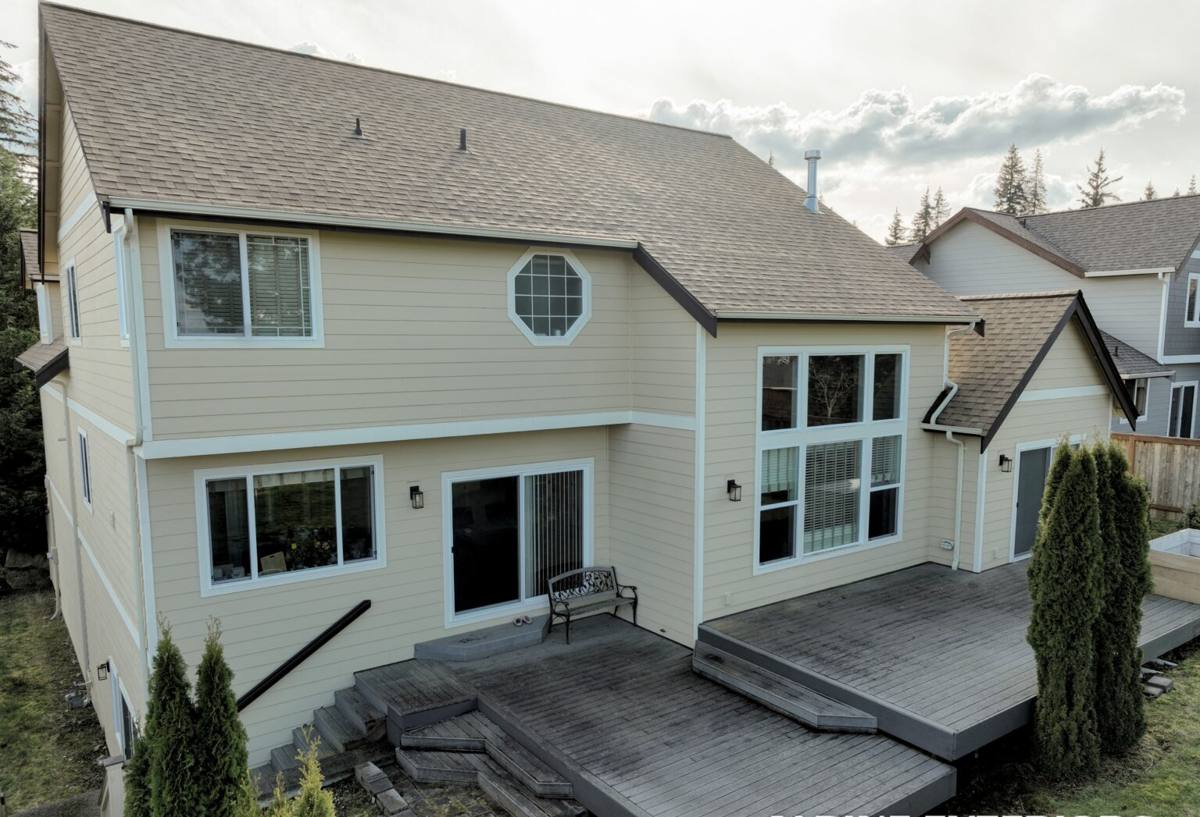
What South Hill Homes Actually Need From Their Siding
Salt Air and Corrosion
Homes closer to the water deal with airborne salt that accelerates corrosion on fasteners, trim, and any metal flashing components. Over years, this can quietly undermine a siding system even when the surface still looks acceptable. It's one more reason fastener choice and flashing material matter as much as the siding panel itself.
Driving Rain and Wind-Driven Moisture
Whatcom County storms don't just drop rain straight down — wind pushes it sideways into wall assemblies, especially at corners, window and door openings, and anywhere two planes of the house meet. A siding job that looks correct from the ground can still let water track behind the cladding if the water-resistive barrier, flashing laps, and caulk joints weren't done in the right order.
Moss, Algae, and a Long Damp Season
South Hill's tree cover and marine-influenced climate mean long stretches of the year where siding stays damp — ideal conditions for moss and algae growth on porous or absorbent materials. Siding that can't shed water quickly, or that has a painted finish prone to holding moisture, tends to green up faster and needs more frequent cleaning and repainting.
Why Material Choice Changes the Outcome Here
We install James Hardie fiber cement siding exclusively, and we don't install LP SmartSide, vinyl, Cemplank, Allura, primed spruce, or cedar. That's a deliberate standard, not a sales pitch, and it's worth explaining honestly rather than just asserting it.
Vinyl siding is affordable and low-maintenance in mild climates, but it expands and contracts significantly with temperature swings, and its seams and J-channels give wind-driven rain more opportunities to find a way behind the cladding — a real concern in a neighborhood that gets driving rain off the water. Wood products like cedar and primed spruce look excellent when new, but they need ongoing painting, caulking, and moisture management to survive a damp marine climate, and any lapse in that maintenance shows up fast as rot or paint failure. Engineered wood siding like LP SmartSide has improved over the years, but it's still a wood-based substrate, meaning cut edges, fastener penetrations, and any breach in the factory coating are places moisture can get in and cause swelling over time. Other fiber cement brands, including Cemplank and Allura, are chemically similar to Hardie, but we've standardized on Hardie specifically for its ColorPlus factory finish, its climate-engineered HZ5 product line (formulated for the Pacific Northwest's wet, moderate climate), and the strength of its transferable warranty when installation is done to spec.
None of this means the alternatives are junk — plenty of them perform fine when installed correctly and maintained diligently. It means that for a climate like South Hill's, where moisture exposure is constant and forgiving mistakes are rare, we'd rather put our name behind one product system we know inside and out than split our expertise across several.
What a Correct Siding Replacement Actually Involves
Replacing siding is not just removing old panels and nailing up new ones. A correct job addresses everything the siding is protecting, not just the visible surface.
- Tear-off and inspection: Removing existing siding down to the sheathing so we can actually see the wall — not guess at its condition from outside.
- Sheathing repair: Replacing any water-damaged or rotted sheathing found underneath before anything new goes back up.
- Water-resistive barrier: Installing a new weather barrier, lapped correctly (upper layers over lower layers) so water sheds outward instead of tracking behind it.
- Flashing at penetrations: Proper flashing and integration at windows, doors, vents, and any wall penetration — the single most common failure point we find on older installs.
- Rainscreen or drainage gap where appropriate: Allowing incidental moisture that does get behind the cladding to drain and dry rather than sit against the wall.
- Hardie panel installation to manufacturer spec: Correct fastener spacing, clearance from grade and roof lines, and proper caulking at joints and trim.
- Finish and trim detail: ColorPlus finished trim and accessories installed to shed water at every horizontal surface.
Skipping or rushing any one of these steps is how a siding job that looks fine at handoff ends up with hidden water damage five years later.
Our Process for South Hill Projects
1. On-Site Assessment
We start with a walkthrough of the home, looking at current siding condition, trim and flashing details, moisture staining, and any areas where past repairs or additions created transition points that need special attention.
2. Honest Scope and Estimate
We tell you what we find, including sheathing or framing concerns that may not be visible until tear-off begins, so there are no surprises about scope once work starts. We provide a written estimate before any work begins.
3. Material Selection
We walk through the relevant James Hardie product lines and ColorPlus color options for your home, factoring in sun exposure, tree cover, and how the home sits relative to prevailing wind and rain direction.
4. Tear-Off and Structural Check
Old siding comes off, and we inspect the sheathing and framing underneath before covering anything back up. Any needed repairs are addressed at this stage, not papered over.
5. Weather Barrier and Flashing Install
This is the stage that determines how the house performs in a storm five or ten years from now. We install and lap the water-resistive barrier and flashing according to manufacturer instructions and standard building science practice for wet climates.
6. Hardie Siding Installation
Panels, trim, and accessories go up to manufacturer spec, with attention to fastener placement, joint treatment, and clearances that keep water moving away from the wall assembly.
7. Final Walkthrough
We walk the finished job with you, cover care and maintenance basics, and make sure everything meets the standard we set at the estimate.
Comparing Siding Options for a South Hill Home
| Factor | Vinyl | Cedar / Primed Spruce | LP SmartSide | James Hardie Fiber Cement |
|---|---|---|---|---|
| Moisture tolerance in marine climate | Moderate — seams can admit water | Low without diligent upkeep | Moderate — wood-based substrate | High when installed correctly |
| Maintenance burden | Low, but limited repairability | High — regular painting/caulking | Moderate — coating upkeep matters | Low with factory ColorPlus finish |
| Performance in driving rain/wind | Can allow wind-driven rain at seams | Depends heavily on maintenance | Depends on edge sealing | Strong with correct flashing detail |
| Resistance to moss/algae staining | Moderate | Lower — porous surface | Moderate | Strong with factory finish |
| Fire resistance | Low — can melt/deform | Low — combustible | Low — combustible | Non-combustible |
| Typical warranty structure | Varies widely by brand | Typically none beyond materials | Manufacturer-specific | Strong transferable warranty when installed to spec |
Signs Your South Hill Home Needs Siding Replacement Soon
- Persistent moss or algae streaking that returns quickly after cleaning
- Soft or spongy spots when you press on the siding, especially near the bottom courses
- Visible warping, buckling, or gaps at seams and corners
- Paint that's peeling or blistering repeatedly in the same spots
- Water stains or discoloration on interior walls near exterior corners or window frames
- Siding that's more than 20-25 years old, especially wood or older vinyl products
- Rising energy bills that suggest the wall assembly isn't performing as it should
Why It Matters to Hire a Crew That Already Works Here
South Hill's exposure to salt air, driving rain, and a long moss season isn't unique in the abstract — plenty of coastal Pacific Northwest neighborhoods deal with some version of it. But the specific combination of tree cover, terrain, and weather exposure on any given street changes how much attention a crew needs to pay to flashing details, drainage planes, and product selection. A crew that installs siding across Whatcom County regularly sees which details actually matter in this climate versus which ones are just manufacturer boilerplate, and adjusts accordingly. That local pattern recognition is hard to substitute for, no matter how good a crew's technique is in general.
It also means a company with local roots has a real incentive to get the job right the first time — we're not driving in from out of the area for one project and leaving. If something needs a follow-up visit, we're already here.
Get a Free Estimate for Your South Hill Siding Project
If you're weighing a siding replacement for a South Hill home, we're glad to come take a look, walk you through what we find, and give you a straightforward, no-pressure estimate for James Hardie fiber cement siding done to spec for this climate. Use the form below to get started.