 Whatcom County
 Siding Repair for Barkley Homes
Barkley sits close enough to the water and the tree line that its siding takes a different kind of beating than siding a hundred miles inland. Homes here deal with a long wet season, salt-tinged air drifting in off the bay, and shaded, moisture-holding landscaping that keeps moss and algae established on north- and east-facing walls for most of the year. None of that is dramatic on its own, but stacked together over a few winters, it finds every weak point in a siding system — a cracked caulk joint, a nail popped proud, a corner where water has been sitting instead of shedding.
Siding repair in this kind of climate isn't just patching what's visibly broken. It's figuring out why that spot failed while the wall six feet away didn't, and fixing the actual cause so the same section doesn't come back to us in two years.
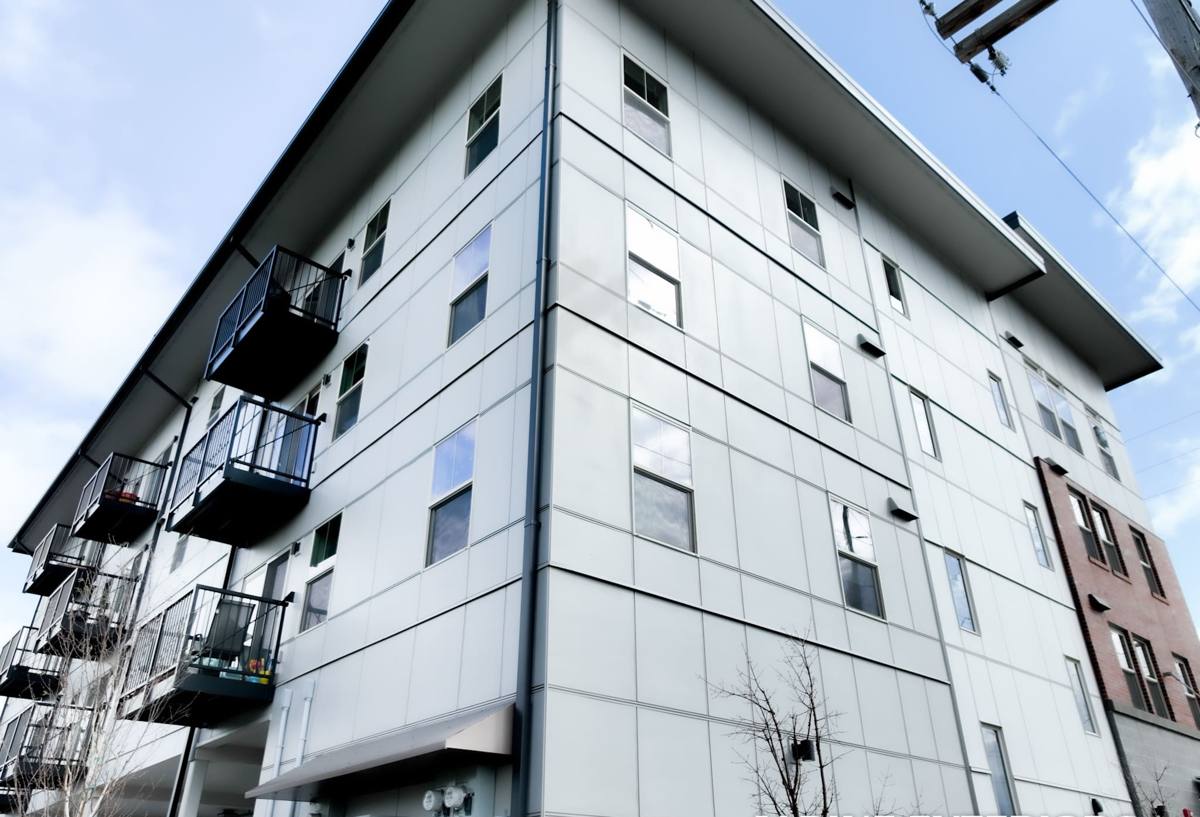
What Whatcom County's Climate Does to Siding
Barkley's exposure is a combination of factors that show up together more often than homeowners expect:
- Driving rain: Wind-driven rain pushes water sideways into laps, seams, and trim joints that were designed for water running down, not sideways. Over time this finds any gap in caulking or flashing.
- Salt air: Even a few miles from saltwater, airborne salt accelerates corrosion on fasteners, flashing, and any exposed metal trim, and it can degrade some paint and coating systems faster than a purely inland environment would.
- Long moss season: Shaded siding stays damp far longer after a storm here than it would in a drier climate. Moss and algae take hold, hold moisture against the surface, and — on wood-based products especially — set up conditions for rot underneath a surface that still looks intact.
- Temperature swings: Repeated freeze-thaw and wet-dry cycling stresses caulking, fastener seating, and panel joints, loosening things that were tight when installed.
Any one of these is manageable. The combination is what makes siding repair a recurring need for homes in this part of Whatcom County rather than a one-time event.
Where Repair Issues Actually Show Up in Barkley
North and shaded walls
These stay wet the longest after rain and get the least direct sun to dry them out. This is where we most often find moss buildup, soft or delaminating panels on wood-based siding, and paint failure.
Lower courses and grade-level trim
Splash-back from rain hitting the ground, mulch beds pushed too close to the wall, and standing water near foundations all concentrate moisture at the bottom few feet of siding — a common spot for rot and swelling regardless of which product is installed.
Corners, butt joints, and trim intersections
Every place two pieces of siding or trim meet is a place water can get behind the surface if the joint isn't sealed and detailed correctly. These are the first spots to check on any older installation.
Around windows and doors
Flashing and caulking here take the brunt of driving rain. Failures show up as staining, soft trim, or interior signs of moisture months before the exterior damage is obvious.
What a Correct Siding Repair Actually Involves
A repair that just covers the damaged spot with new material is a temporary fix. A correct repair addresses the water path, not just the symptom. That means:
- Finding the real source — tracing moisture back to its entry point, which is often several inches or feet from where the damage is visible.
- Removing all compromised material — including any water-damaged sheathing or framing underneath, not just the siding itself.
- Confirming the water-resistive barrier and flashing — repairing or replacing house wrap and flashing details before any new siding goes back on.
- Matching material and reveal — patched sections should match the existing siding's exposure, profile, and finish as closely as possible so the repair doesn't stand out or create a new water trap.
- Re-sealing correctly — using sealants and fastening appropriate to the specific product, not a generic caulk-and-nail approach.
Skipping any of these steps is how a $400 repair turns into a $4,000 repair two winters later, once the underlying rot has spread into the wall assembly.
Repair vs. Replacement: How We Make That Call
Not every damaged section needs full replacement, and not every repair is worth doing instead of replacing a wall. We look at a few honest factors before recommending either path:
| Factor | Favors Repair | Favors Replacement |
|---|---|---|
| Extent of damage | Isolated to one or two sections | Spread across multiple walls or elevations |
| Underlying structure | Sheathing and framing are sound | Rot has reached framing members |
| Age of existing siding | Siding is mid-life, otherwise performing well | Siding is near or past its expected service life |
| Material availability | Matching material is available or close | Product is discontinued or badly mismatched |
| Root cause | Isolated flashing or sealant failure | Systemic issue (grading, ventilation, original install quality) |
We'll tell you plainly which situation you're in. If a repair is the honest answer, that's what we'll recommend — we don't upsell full re-sides on homes that don't need one.
Why We Only Repair Onto (and Recommend) James Hardie Fiber Cement
When repair work opens up a wall in Barkley's climate, what we find behind different siding materials varies a lot. Wood-based products — including primed spruce, cedar, and engineered wood siding like LP SmartSide — rely on their factory coating and field caulking staying intact to keep moisture out; once that seal is compromised in a wet, shaded, salt-air environment, the wood substrate can swell, delaminate, or rot from the inside before it's visible from outside. Vinyl siding sheds water well but can crack in cold snaps and doesn't hold paint if a color change is ever wanted, and its seams are a common point for wind-driven rain to work behind the panel over time.
James Hardie fiber cement is what we install and repair onto for a reason: it's non-combustible, doesn't support rot since it isn't wood-based, and its ColorPlus factory finish is engineered to hold color and resist the exact combination of moisture and UV cycling this region produces. Hardie's HZ5 product line in particular is formulated for climates like the Pacific Northwest's freeze-thaw and moisture pattern. That doesn't mean Hardie siding never needs repair — caulk joints, flashing, and fasteners still need maintenance on any product — but the base material itself isn't the point of failure the way it can be with wood-based or vinyl systems.
Our Repair Process
Because we already work regularly in Barkley and the surrounding Whatcom County area, we know what to check first based on a home's orientation, age, and exposure. Our process:
- On-site inspection: We look beyond the obvious damage — checking adjacent sections, trim, and flashing for early signs of the same issue.
- Moisture assessment: Where damage suggests it, we check for moisture intrusion into sheathing before quoting the scope.
- Written scope and honest options: You get a clear explanation of what's failing, why, and whether repair or partial replacement is the right call — with reasoning, not just a number.
- Correct repair execution: Removal of compromised material, barrier and flashing correction, matched siding installation, and proper sealing — in that order.
- Cleanup and walkthrough: We show you what was done and why, including anything worth keeping an eye on going forward.
Preventing the Next Repair
A few habits make a real difference for siding longevity in this climate:
- Keep gutters and downspouts clear so water isn't sheeting down walls it wasn't meant to hit.
- Trim back vegetation and mulch beds so siding gets airflow and isn't sitting against constant moisture.
- Wash off moss and algae buildup on shaded walls before it has a chance to hold moisture long-term.
- Recaulk trim joints and penetrations (vents, hose bibs, light fixtures) every few years — sealant is a wear item, not a one-time install step.
- Have any staining, soft spots, or bubbling paint looked at promptly rather than waiting for it to spread.
Why a Crew That Already Works Barkley Matters
Siding repair done by someone unfamiliar with this specific microclimate tends to treat every job the same way regardless of exposure. A crew that already works Barkley and greater Whatcom County knows which elevations take the worst of the driving rain, how long moss really takes to become a moisture problem here versus a purely cosmetic one, and which repair shortcuts don't hold up through a full wet season. That local pattern recognition is often the difference between a repair that lasts and one that reopens the same spot next winter.
If you're seeing staining, soft siding, persistent moss, or a section that just doesn't look right, we're happy to take a look and give you a straight answer — repair, partial replacement, or leave it alone. Reach out for a free, no-pressure estimate using the form below.