 Whatcom County
 Siding Installation Built for Birchwood's Climate
Birchwood homes sit in one of the more demanding microclimates in Whatcom County. Proximity to Bellingham Bay means salt-laden air moving through the neighborhood year-round, and the marine weather pattern that defines the Pacific Northwest brings long stretches of driving, wind-blown rain rather than gentle showers. Add a shaded tree canopy on many lots and a moss season that can run from October through May, and you get exterior walls that are wet, humid, or under biological load for a large share of the year. Siding here isn't just a cosmetic choice — it's the primary barrier standing between that environment and your home's framing.
Generic siding advice doesn't account for this. A product or installation method that performs fine in a dry inland climate can fail years earlier in Birchwood if it wasn't chosen and installed with this specific exposure in mind. That's the gap this page is meant to close: what Birchwood homes actually need from their siding, what a correct installation involves, and why the details matter more here than in most parts of the country.
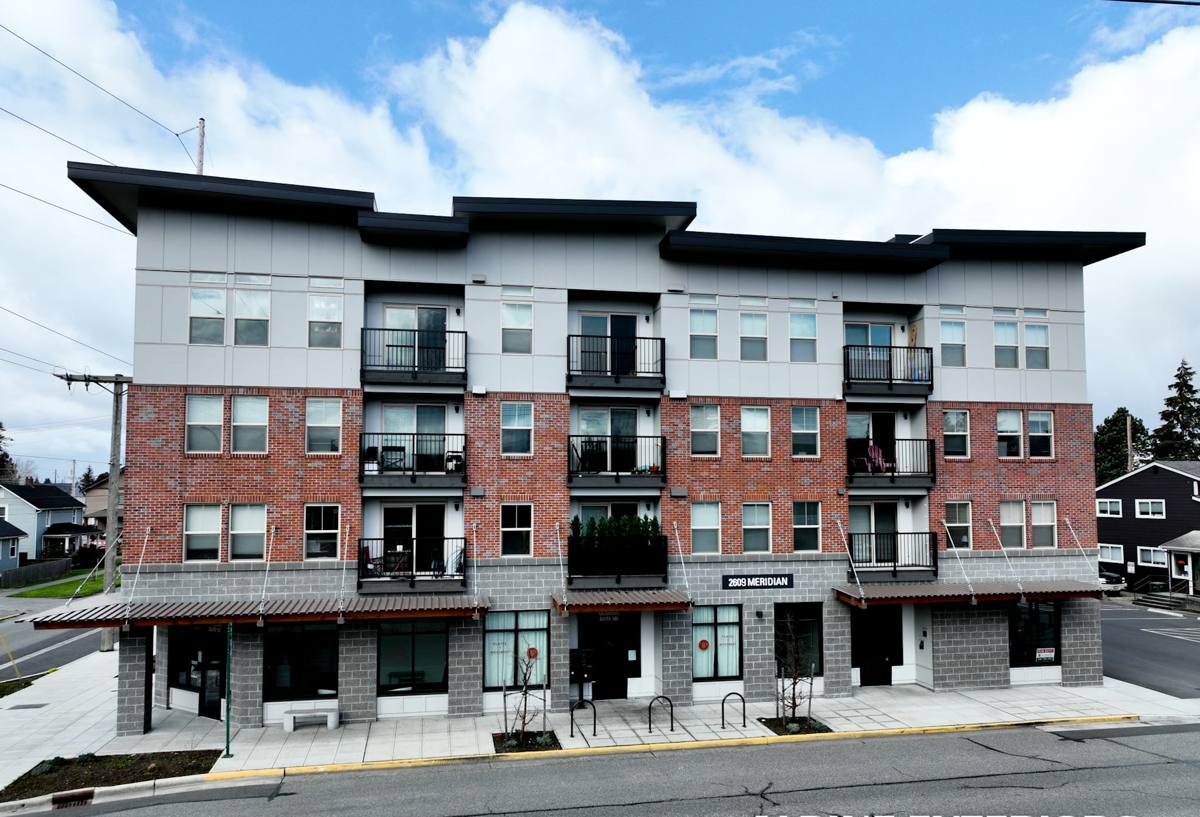
What Salt Air, Rain, and Moss Actually Do to Siding
Salt Air
Airborne salt is corrosive to exposed metal fasteners, flashing, and trim. Over years, it accelerates the breakdown of lower-grade materials and can pit or stain unprotected metal components. It also tends to hold moisture against surfaces longer than dry inland air would, which compounds the next problem.
Driving Rain
Wind-driven rain doesn't just wet a wall's surface — it pushes water sideways and upward into laps, seams, and penetrations that were designed for water running straight down. Siding that relies on tight seams and surface-level water resistance, rather than a properly engineered drainage plane behind it, is far more likely to let moisture reach the sheathing in a neighborhood like Birchwood.
Moss Season
Shade, moisture, and cool temperatures are exactly what moss and algae need to establish on exterior surfaces. Beyond the appearance issue, moss and algae growth holds moisture against the siding surface for extended periods, which shortens the life of moisture-sensitive materials and can accelerate paint or coating failure on products that aren't factory-finished to resist it.
Why We Install Only James Hardie Fiber Cement
We made a deliberate decision to install one siding system: James Hardie fiber cement, in the HZ product lines engineered for this climate zone. We don't install vinyl, LP SmartSide, or other wood-composite products, and homeowners in Birchwood deserve to know why before they invest in a full re-side.
Fiber cement is non-combustible and dimensionally stable — it doesn't expand and contract with moisture the way wood-based products can, which matters directly in a climate where the siding is wet more often than it's dry. James Hardie's ColorPlus factory finish is baked on under controlled conditions, giving it far better resistance to fading, moss-related discoloration, and coastal weathering than field-applied paint. The HZ5 product line specifically is engineered for climates with higher moisture exposure — the kind Birchwood sees most of the year.
None of this means other products are without merit. Vinyl is inexpensive and low-maintenance in mild climates; wood-composite siding has a warmer, more traditional look that some homeowners prefer. But in a neighborhood dealing with sustained salt air, driving rain, and moss season, we've found fiber cement to be the material that holds up best over the long run, backed by a strong transferable warranty and a track record that justifies the higher upfront cost.
What a Correct Installation Actually Involves
Siding failures in this climate are rarely about the siding material itself — they're almost always about what happens behind and around it. A correct installation addresses each of the following, every time:
- Weather-resistive barrier: A continuous, properly lapped water-resistive barrier installed shingle-style so every seam drains downward and outward, never trapping water against the sheathing.
- Flashing at every penetration: Windows, doors, hose bibs, vents, and light fixtures all need integrated flashing that directs water out and away, not just caulk sealing the gap.
- Proper clearances: James Hardie specifies minimum clearances from grade, roof lines, decks, and horizontal surfaces so siding isn't sitting in standing water or trapped moisture.
- Correct fastening: Fasteners sized, spaced, and driven per manufacturer spec — overdriven or underdriven nails are a leading cause of premature siding problems.
- Caulking and sealant strategy: Sealant used only where specified, with the right product for the joint — not as a substitute for proper flashing and drainage.
- Ventilation behind the cladding: A drainage gap or rainscreen approach where conditions call for it, so incidental moisture can escape rather than sit against the wall assembly.
Skipping any one of these doesn't usually cause an immediate problem — it causes a problem five, eight, or twelve years down the road, often hidden behind the siding until the damage has already spread to the sheathing or framing. That delayed failure pattern is exactly why installation quality matters as much as material choice.
Our Process on a Birchwood Home
- On-site assessment: We walk the exterior, check existing siding condition, note problem areas (moss buildup, staining, soft spots, failed caulk joints), and assess the wall assembly underneath where existing siding is coming off.
- Scope and product selection: We recommend the James Hardie product line and profile — lap, shingle, or panel — that fits the home's style and this climate's demands, along with trim and color in the ColorPlus palette.
- Tear-off and prep: Old siding comes off, sheathing is inspected for hidden moisture damage, and any compromised sheathing or framing is addressed before anything new goes up.
- Weather barrier and flashing installation: This is the step that determines long-term performance more than any other, and it's done to manufacturer spec, not shortcut.
- Siding installation: Panels or planks installed with correct fastening, spacing, and clearances throughout.
- Trim, caulking, and touch-up: Final trim work and targeted sealant application at specified joints only.
- Final walkthrough: We review the completed work with you before considering the job done.
Signs a Birchwood Home Needs New Siding
Because moisture problems in this climate often develop behind the siding before they're visible on the surface, it helps to know what to watch for:
- Persistent moss or algae staining that returns quickly after cleaning
- Soft, spongy, or bubbling spots when you press on the siding
- Paint that's peeling, bubbling, or won't hold a new coat
- Visible warping, cupping, or gaps between boards
- Cracked or missing caulk at trim, windows, and corners
- Rising energy bills with no other clear cause, which can point to a compromised wall assembly
- Musty odors near exterior walls inside the home
Any one of these on its own isn't necessarily an emergency, but a home showing two or three of them is usually telling you the wall assembly has been compromised for a while.
Cost Factors for Birchwood Siding Projects
Every home is different, and we won't quote a number without seeing the house, but the factors below are what actually drive cost up or down on a real project:
| Factor | Why It Matters |
|---|---|
| Home size and wall complexity | More square footage, corners, and roof lines mean more material and labor |
| Existing siding removal | Tear-off of old material adds labor and disposal cost versus new construction |
| Sheathing repair | Hidden moisture damage found during tear-off (common in older Birchwood homes) may need repair before re-siding |
| Product line and profile | HZ5 lap, shingle, and panel profiles carry different material costs |
| Trim and detail work | Homes with more windows, dormers, and architectural detail need more flashing and trim labor |
| Access and site conditions | Sloped lots, mature landscaping, and limited access affect staging and labor time |
Why a Local Crew Matters for This Job
A contractor who works Whatcom County regularly, and Birchwood specifically, has already seen how this microclimate treats siding over time — which wall orientations take the worst of the driving rain, where moss tends to establish first, and what shortcuts from a prior installation tend to fail here. That's knowledge you don't get from a crew passing through on a one-off job. It also means someone local stands behind the warranty and the workmanship long after the job is finished, which matters with a material investment meant to last decades.
Maintenance After Installation
James Hardie siding is low-maintenance, but "low-maintenance" isn't "no-maintenance," especially in this climate. A periodic rinse to clear moss spores before they establish, keeping gutters and downspouts clear so water discharges away from walls, and trimming back vegetation that keeps siding shaded and damp will all extend the life of the job significantly. None of this is labor-intensive, but skipping it in a moss-prone neighborhood like Birchwood shortens the interval before you notice staining.
Get a Free, No-Pressure Estimate
If your Birchwood home's siding is showing its age, or you're planning ahead for a project, we're glad to take a look and give you an honest assessment — no pressure, no obligation. Use the form below to request a free estimate.