 Whatcom County
 Why Sehome Roofs Wear Differently
Sehome sits close enough to Bellingham Bay that salt-laden air is a constant factor, not an occasional one. Combine that with the driving rain that rolls through Whatcom County for much of the year and a moss season that can stretch from fall into spring, and you get a roofing environment that punishes shortcuts. A roof that would hold up fine in a drier inland climate can fail early here if it wasn't installed with this specific combination of stressors in mind.
Older homes in Sehome — many built well before modern ventilation and underlayment standards existed — are especially prone to hidden moisture problems. The roof deck can be quietly deteriorating under a shingle layer that still looks passable from the ground. That gap between "looks okay" and "actually sound" is where a lot of costly surprises come from.
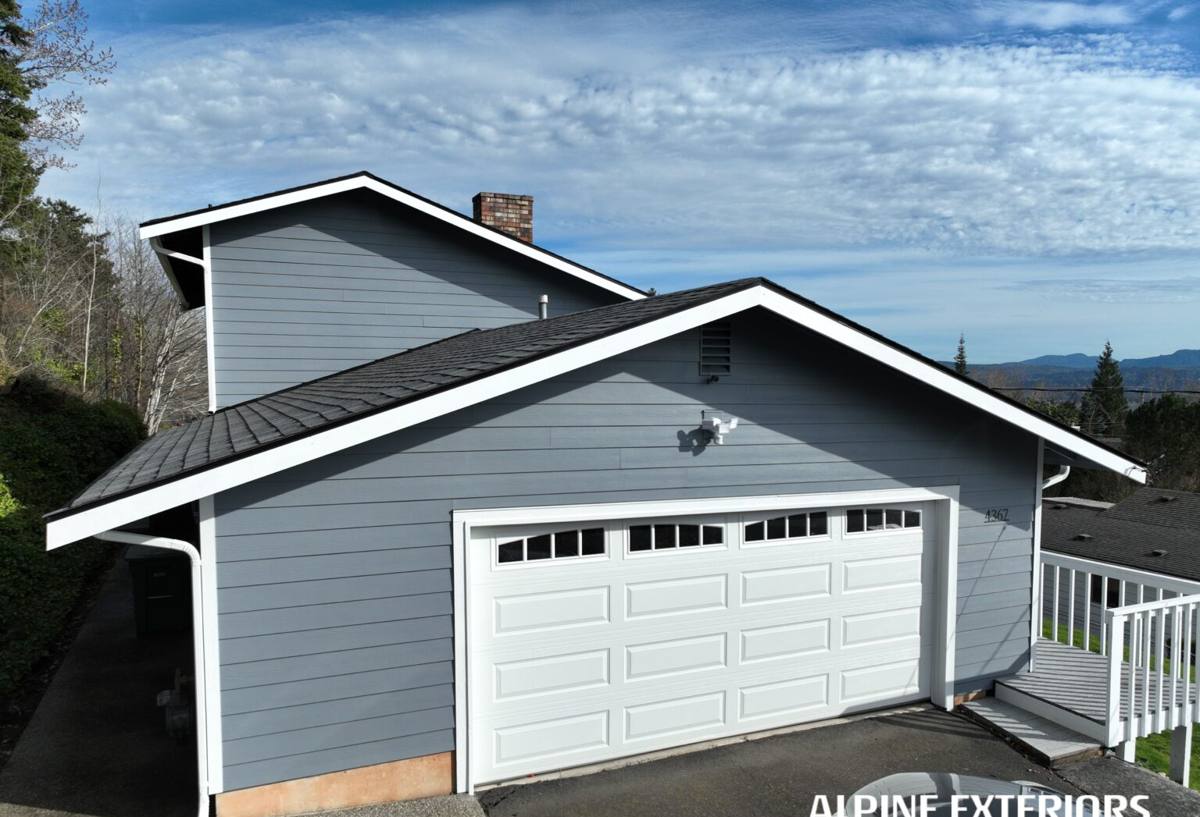
Signs a Sehome Roof Has Reached Replacement Stage
Not every roof problem means a full replacement. But there's a point where patching becomes a losing game, and recognizing it early saves money and prevents interior damage.
- Granule loss heavy enough that shingles look blotchy or patchy, especially on south- and west-facing slopes
- Moss establishing itself in mats rather than light surface growth, particularly along shaded eaves and valleys
- Curling, cupping, or cracked shingles concentrated in one area rather than isolated spots
- Soft spots or noticeable give when walking the roof (a sign the deck itself is compromised)
- Staining on interior ceilings or in the attic that shows up after wind-driven rain specifically
- A roof approaching or past the upper end of its expected material lifespan, combined with any of the above
If you're only seeing one or two of these and the roof is otherwise young, targeted repair is usually the honest recommendation. We'll tell you that directly rather than push a replacement that isn't needed yet.
Repair vs. Replacement: A Practical Way to Decide
The general rule we use: if the damage is localized, the deck underneath is confirmed sound, and the roof has years of expected life left, repair makes sense. If the wear is spread across multiple slopes, the deck is questionable, or you're already past the material's realistic service life for this climate, replacement is the more honest long-term answer — repeated patching on a failing roof usually costs more over time than doing the job once, correctly.
What a Correct Roof Replacement Actually Involves
A roof replacement is only as good as what happens underneath the new material. In a climate like Whatcom County's, skipping steps here is exactly what causes early failures.
Full Tear-Off, Not an Overlay
We remove the existing roofing down to the deck rather than layering new shingles over old. Overlays trap moisture, hide deck problems, and void most manufacturer warranties. It's also the only way to actually inspect the deck.
Deck Inspection and Repair
With the old roofing off, we check the sheathing for soft spots, rot, and delamination caused by long-term moisture intrusion — common in this area given how much sustained rain the deck can be exposed to over a roof's life. Any compromised sections get replaced before anything new goes down.
Underlayment Suited to Wind-Driven Rain
Given how often rain in this area comes in sideways rather than straight down, underlayment choice matters more here than in calmer climates. We use synthetic or ice-and-water underlayment strategically at eaves, valleys, and other vulnerable transitions, not just a single layer of felt across the whole deck.
Flashing Done Right
Flashing around chimneys, vents, skylights, and roof-to-wall transitions is where most leaks actually originate — far more often than through the field of the roofing material itself. New flashing, properly integrated with the underlayment, is non-negotiable on every replacement we do.
Ventilation That Matches the Home
Poor attic ventilation traps moisture, which accelerates deck rot and can shorten the life of even a premium roofing material. We evaluate intake and exhaust balance as part of every replacement, not as an afterthought.
Material Options for This Climate
There's no single "best" roofing material — the right choice depends on the home's structure, the budget, and how much long-term maintenance the homeowner wants to take on. Here's how the common options stack up specifically against salt air, driving rain, and moss.
| Material | Moss/Moisture Resistance | Typical Lifespan Here | Maintenance Burden |
|---|---|---|---|
| Asphalt composition shingle | Good with proper granule quality; needs periodic moss removal | 20-30 years | Low-moderate; occasional cleaning recommended |
| Metal (standing seam or panel) | Very good; sheds moisture and resists moss better than shingle | 40-60 years | Low; less prone to moss establishment |
| Cedar shake | Requires diligent upkeep; moss and moisture are its main enemies here | 20-30 years with upkeep | High; regular treatment needed |
| Synthetic/composite shake or slate | Good; engineered to resist moisture absorption | 30-50 years | Low-moderate |
We don't push cedar shake as a default recommendation for this specific climate profile — not because it's a bad product, but because the maintenance commitment to keep moss and moisture from getting the better of it is real, and most homeowners underestimate that upfront. If you want the look, we'll walk you through what upkeep actually looks like so you can decide with full information.
Our Process on a Sehome Roof Replacement
- On-site inspection — we walk the roof and attic, not just look from the ground, and document what we find
- Honest scope and written estimate — including material options, ventilation needs, and any deck repair likely to be needed
- Permitting — handled on our end with the appropriate local jurisdiction before work starts
- Weather-aware scheduling — we plan around Whatcom County's rain patterns to minimize the window the deck is exposed
- Tear-off, deck repair, and underlayment — done in a sequence that keeps the home protected at every stage
- Installation — new roofing, flashing, and ventilation components installed to manufacturer spec
- Final walkthrough — we review the finished job with you before calling it complete
Why a Crew That Already Works in Sehome Matters
Roofing crews unfamiliar with this specific stretch of Whatcom County tend to underbuild for the conditions — using standard underlayment coverage instead of climate-appropriate placement, or skipping the moss-prevention details that matter here but wouldn't in a drier region. A crew that regularly works Sehome and the surrounding Bellingham area already knows the local permitting process, the typical age and construction of homes in the neighborhood, and how the bay's salt air and rain patterns actually behave against a roof over time.
That familiarity shows up in small decisions — where extra underlayment goes, how flashing details are handled, how ventilation is balanced — that don't show up on a proposal but absolutely show up in how the roof performs five and ten years out.
Cost Factors Worth Understanding
Roof replacement pricing varies based on real factors, not just square footage. Understanding what drives cost helps you evaluate any estimate you receive, from us or anyone else.
| Factor | Why It Affects Cost |
|---|---|
| Roof pitch and complexity | Steep or multi-plane roofs take longer and require more safety setup |
| Deck condition | Rotted sheathing found during tear-off adds material and labor |
| Material choice | Asphalt, metal, and composite products span a wide price range |
| Number of penetrations | Chimneys, skylights, and vents each need individual flashing work |
| Ventilation upgrades | Adding or correcting intake/exhaust vents is sometimes needed and adds scope |
| Access and disposal | Difficult site access or extra tear-off debris affects labor and hauling |
Broadly speaking, homeowners in this area should expect asphalt shingle replacements to run into the moderate five-figure range for an average-sized home, with metal and premium materials running higher. Exact numbers depend entirely on the specifics above, which is why we walk every roof in person before quoting.
Protecting the Investment After Installation
- Have gutters cleared regularly — clogged gutters back water up under the roof edge
- Schedule periodic moss removal rather than waiting until it's established in thick mats
- Keep overhanging branches trimmed back to reduce shade and debris buildup that feeds moss growth
- Have the attic checked occasionally for ventilation issues or early moisture signs
- Address any flashing or seal issues quickly rather than letting small leaks become deck damage
If you're weighing repair against replacement, or just want a straight answer on where your roof actually stands, we're happy to take a look. The estimate is free, there's no pressure attached to it, and you'll get a clear explanation of what we find — use the form below to get started.