 Whatcom County
 Roof Repair Built for Sehome's Climate
Sehome sits close enough to Bellingham Bay that salt air is a real factor in how roofs age here, and it's a different kind of wear than homes further inland deal with. Add in the long stretches of driving rain that Whatcom County gets through fall, winter, and spring, plus a moss season that can run eight months or more in shaded, north-facing sections of a roof, and you've got a combination that shortens the useful life of a roof if it isn't maintained and repaired correctly. We work on roofs throughout Sehome and the surrounding Bellingham area, and the repair calls we get tend to follow a predictable pattern tied directly to this climate.
A roof repair here isn't just patching a leak and moving on. It's understanding why that spot failed in the first place — usually moisture that had nowhere to go, moss that held water against the roofing material longer than it should have, or flashing that corroded faster than expected because of the salt content in the air. Fix the symptom without addressing the cause and you'll be back on that roof again within a year or two.
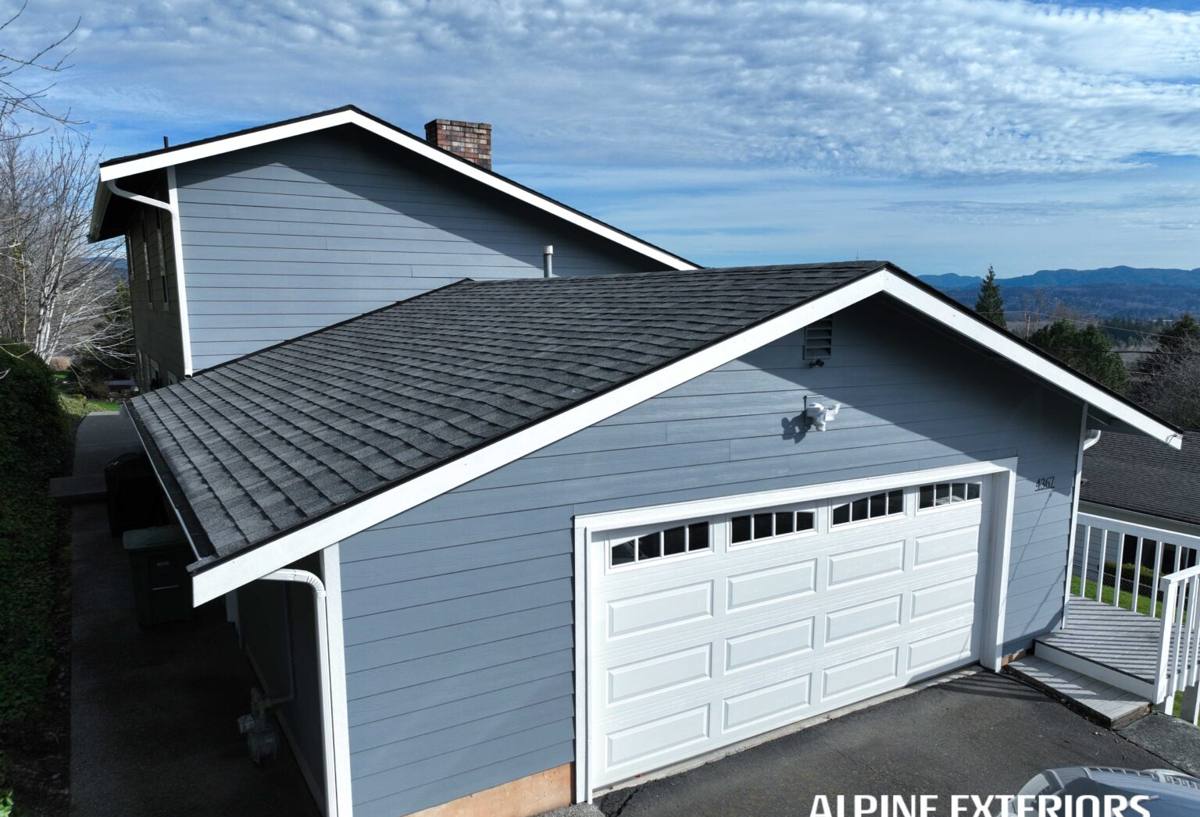
What Sehome Roofs Are Up Against
Salt Air and Metal Fatigue
Homes closer to the water see accelerated corrosion on exposed metal — flashing, fasteners, gutter hardware, and metal roofing panels all age faster in a salt-influenced environment than they would twenty or thirty miles inland. This doesn't mean metal roofing or flashing is a bad choice; it means the grade of material and the way it's installed and sealed matters more here than it does in a lot of other parts of the state.
Driving Rain and Wind-Driven Moisture
Whatcom County storms frequently come with enough wind to push rain sideways and up under roof edges, ridge caps, and anywhere a seal has started to fail. Standard vertical-rain assumptions built into some lower-end roofing details just don't hold up under that kind of wind-driven exposure. Underlayment quality and how flashing is layered matter more here than the shingle brand on top.
Moss and Organic Growth
Moss doesn't just look bad — it holds moisture against the roofing surface for extended periods, works its way under shingle edges and tabs, and can lift material enough to let water in. On roofs with heavy tree cover or shaded north sides, moss growth can start within a season of a roof being cleaned and left untreated.
Common Repair Issues We See in Sehome
- Moss-lifted shingles or shakes along ridgelines and in shaded valleys, especially on the north and east faces of a roof
- Flashing failures around chimneys, skylights, and roof-wall intersections where corrosion or a poor original seal has let water track in
- Clogged or failing gutters that back water up under the roof edge during heavy rain events
- Nail pops and fastener corrosion that create small entry points for water over time
- Deteriorated pipe boots and vent seals, which are usually rubber and among the first components to crack in this climate
- Soft spots or sagging decking from long-term moisture intrusion that went unnoticed under a roof surface that still looked intact
What a Correct Repair Actually Involves
A lot of roof repairs fail because they only address the visible symptom. A proper repair in this climate starts with figuring out how water is actually getting in — which is not always where the stain or drip appears inside the house. Water can travel along rafters or decking for several feet before it shows up on a ceiling, so tracing the real entry point is the first job, not an afterthought.
Once we know where the problem starts, the repair itself generally follows this sequence:
- Remove and inspect the affected roofing material and underlayment, checking for hidden rot or soft decking beyond the visible damage
- Clear moss and organic debris from the surrounding area, not just the repair zone, so growth doesn't immediately undermine the new work
- Replace or repair damaged decking if there's any sign of rot or delamination — patching over compromised decking is a shortcut that fails
- Install new underlayment and flashing sized and layered correctly for the specific detail (valley, wall intersection, penetration, etc.)
- Match and install roofing material, tying it into the surrounding surface so the repair doesn't stand out as a patch or create a new water path at its edges
- Treat the surrounding area against moss regrowth where appropriate, since a repair surrounded by untreated moss is on borrowed time
Skipping the decking inspection is one of the most common shortcuts we see from repairs done elsewhere — a new shingle or patch over soft, water-damaged decking looks fine for a season and then fails again, often worse than before.
Repair vs. Replacement: How We Make That Call
Not every roof issue calls for a full repair, and not every repair is worth doing instead of planning for replacement. We look at a few honest factors before making a recommendation, and we'd rather tell a homeowner the truth than sell a repair that's just delaying an inevitable replacement.
| Factor | Favors Repair | Favors Replacement |
|---|---|---|
| Roof age relative to material lifespan | Roof is well within its expected service life | Roof is at or past the typical age for its material |
| Extent of damage | Isolated to one section or detail | Widespread across multiple roof planes |
| Decking condition | Solid, dry decking under the damaged area | Soft, rotted, or delaminated decking found in multiple spots |
| Moss/moisture history | First or occasional issue, addressable with treatment | Chronic, recurring moss and moisture problems roof-wide |
| Underlayment condition | Underlayment intact where exposed during repair | Underlayment brittle, torn, or failing broadly |
When a roof falls into the middle of that table, we'll give you our honest read on which way it leans and why, rather than defaulting to whichever option is more profitable for us.
Our Repair Process
1. Inspection and Honest Assessment
We start with a full visual inspection of the roof, not just the reported problem area. Given how water travels, a leak reported over a bedroom might actually originate at a chimney flashing detail on the opposite slope. We check attic space where accessible for signs of moisture, staining, or mold that indicate how long an issue has been present.
2. Clear Scope Before Work Begins
Before any work starts, we walk through what we found, what we recommend, and why — including whether we think a full repair is warranted or whether the roof's overall condition suggests replacement should be part of the conversation. No surprise scope changes once work is underway unless we uncover something (like hidden decking rot) that genuinely couldn't be seen beforehand.
3. The Repair Itself
We follow the sequence outlined above — trace, clear, inspect decking, rebuild flashing and underlayment correctly, match materials, and address moss risk in the surrounding area. We use materials appropriate for this climate, including fasteners and flashing rated to hold up against the corrosion pressure of salt-influenced air.
4. Cleanup and Walkthrough
We clear debris, including old moss and roofing material, and walk the completed repair with you so you can see exactly what was done and why.
Cost Factors for Roof Repair in Sehome
Roof repair costs vary a lot based on scope, and giving a number without seeing the roof wouldn't be honest. What we can tell you is what tends to drive cost up or down on a typical repair in this area:
- Extent of decking replacement needed — the single biggest cost variable, and something we often can't fully confirm until the roofing material is opened up
- Roof pitch and access — steeper roofs and harder-to-access sections take longer and require more safety setup
- Material match — matching an existing roof, especially an older or discontinued product, can add time and cost versus a straightforward same-material repair
- Number and complexity of flashing details involved — a repair touching a chimney, skylight, and valley all at once costs more than a single straightforward patch
- Moss and debris removal scope — heavier accumulation takes more time to clear safely before repair work can start
We provide a written estimate after inspection so you know what you're paying for and why, before any work begins.
Preventing the Next Repair
Once a repair is done, a few habits make a real difference in how long it lasts given Sehome's climate:
- Keep gutters clear, especially heading into the heavier fall and winter rain months
- Have moss addressed before it becomes heavy growth rather than after — treatment is far cheaper and less disruptive than removal of established moss
- Trim back tree limbs that keep sections of the roof shaded and damp longer than the rest of the surface
- Get roofs inspected after major wind events, since wind-driven rain can find weaknesses that calmer weather never reveals
- Don't ignore small interior stains — they're almost always cheaper to address at that stage than after months of hidden moisture damage
Why a Crew That Already Works in Sehome Matters
Roofing crews unfamiliar with this specific stretch of Whatcom County sometimes approach repairs with assumptions built for drier or less salt-exposed climates elsewhere in Washington or beyond. That can mean underestimating how fast flashing corrodes near the bay, underestimating moss's role in a leak, or specifying underlayment and fastener grades that aren't quite matched to the exposure here. We work in this specific area regularly, which means we're not guessing at how these homes age — we're working from what we consistently see on roofs facing the same salt air, the same wind-driven rain patterns, and the same long moss season, repair after repair.
That local pattern recognition is often the difference between a repair that solves the problem and one that just delays it. If you're dealing with a leak, moss damage, or flashing issues on a Sehome roof, we're happy to take a look and give you a straightforward, no-pressure read on what's going on and what it would take to fix it right. Reach out for a free estimate using the form below.