 Whatcom County
 Windows in Nooksack Face a Different Set of Problems
Nooksack sits inland along the Nooksack River in the shadow of the Cascade foothills, which means it doesn't get the coastal salt air that homes closer to Bellingham Bay deal with — but it gets plenty of its own punishment. Long stretches of gray, wet weather, humidity that never fully lifts, and driving rain that comes in sideways during winter storms all put stress on window openings. Add in a moss and mildew season that can run most of the year on shaded north and west walls, and you've got conditions that expose bad window work fast. A window that's slightly out of level or missing a strip of flashing tape might not leak the first year. In this climate, it usually does by the third.
We install windows across Whatcom County, and Nooksack jobs get the same attention as anywhere else in the family's rural and small-town footprint: level, plumb, square, flashed correctly, and sealed so water has nowhere to go but down and out.
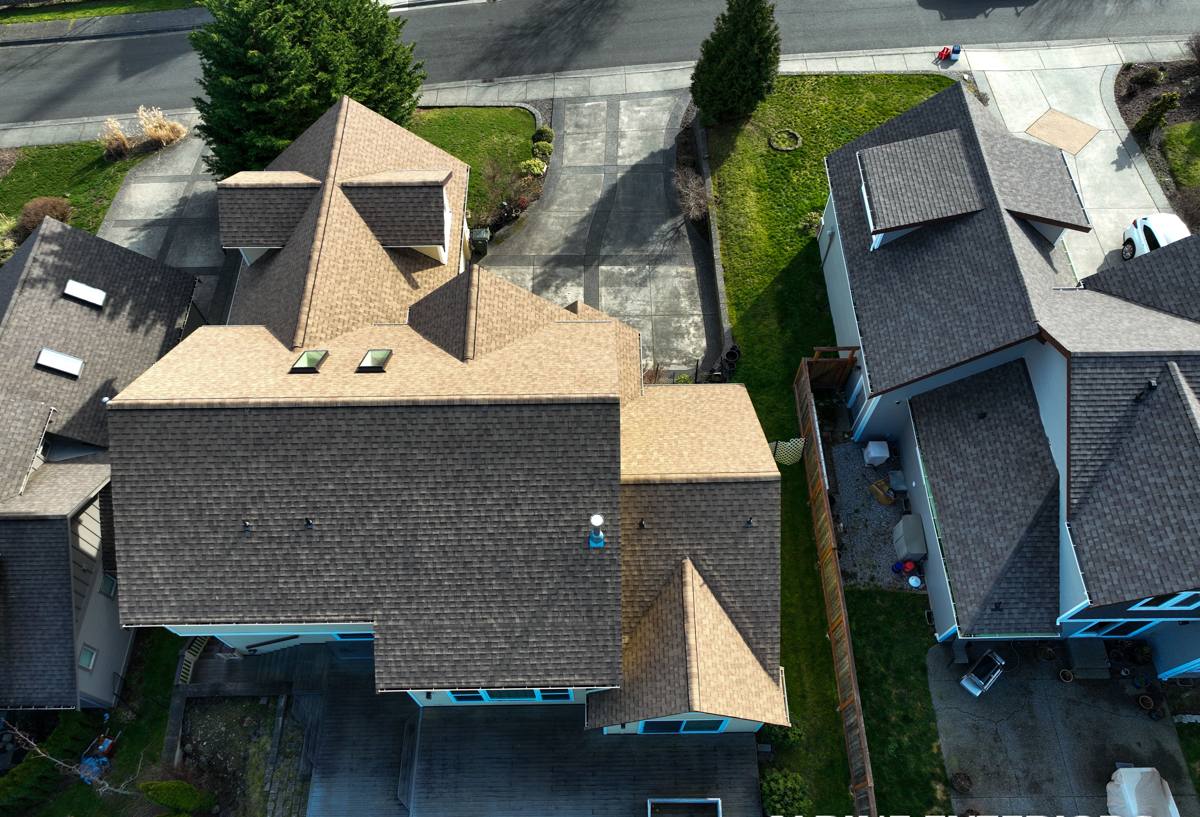
What a Correct Window Installation Actually Involves
Replacing a window looks simple from the street — old sash out, new unit in — but the parts nobody sees are what determine whether the wall behind it stays dry for the next twenty years.
Flashing and Water Management
Every opening needs a drainage plane that sheds water down and away from the framing, not into it. That means sill pan flashing under the window, weather-resistant barrier integration at the sides and head, and shingle-lapped house wrap so water moving down the wall passes over the top of the window flange, never behind it. Skip this step and you get slow rot inside the wall cavity that won't show up until there's a stain on the drywall or a soft spot on the sill — usually years after the installer is gone.
Air Sealing and Insulation
The gap between the window frame and the rough opening needs to be filled with a proper low-expansion foam or backer rod and sealant — not stuffed with fiberglass insulation, which does nothing to stop air movement and can actually hold moisture against the frame. Good air sealing also cuts down on the cold drafts and condensation on interior glass that a lot of Whatcom County homeowners deal with in winter.
Fastening and Structural Integration
Windows need to be fastened per the manufacturer's instructions, shimmed so the frame isn't racked or bowed, and checked for square before a single screw goes in. A window installed out of plumb will bind, won't seal against its own weatherstripping, and puts uneven stress on the glass unit — shortening the life of the seal and inviting fogging between panes.
Signs Your Nooksack Home Needs New Windows
- Fogging or a hazy film between the panes — the seal on the insulated glass unit has failed and can't be repaired, only replaced
- Visible moss, black staining, or soft wood on the exterior sill or trim
- Windows that are hard to open, don't stay up on their own, or won't latch tight
- Noticeable draft or cold spot near the frame in winter
- Condensation forming on the inside of the glass regularly, especially on north-facing rooms
- Peeling paint or swollen wood trim around the window opening
- Rising energy bills without a clear explanation elsewhere in the house
Any one of these on its own might not mean full replacement — but a combination, especially rot or failed seals, usually does.
Choosing the Right Window for This Climate
Frame material matters more here than in drier parts of the country, because whatever you pick has to handle sustained moisture exposure and temperature swings without warping, rotting, or needing constant upkeep.
| Frame Material | Moisture Performance | Maintenance | Typical Fit for Nooksack |
|---|---|---|---|
| Vinyl | Won't rot; handles moisture well | Low — no painting or sealing needed | Good all-around choice for most homes |
| Fiberglass | Very stable in wet/dry cycling; minimal expansion or contraction | Low | Strong option for larger openings or higher-exposure walls |
| Wood | Attractive but vulnerable to moisture without diligent upkeep | High — regular painting/sealing required | Workable only with a real maintenance commitment |
| Wood-clad (wood interior, aluminum or vinyl exterior) | Good — exterior shell protects the wood | Moderate | Popular where a wood look is wanted inside |
We don't push wood-frame exteriors on homes in wet, shaded, or coastal-influenced parts of the county — not because the product is bad, but because it demands upkeep most homeowners don't want to keep up with year after year. That's an honest trade-off conversation we have on every estimate, not a sales pitch for one brand over another.
Our Installation Process, Step by Step
- On-site measurement and assessment of the existing opening, including a check for hidden rot or water damage before we quote
- Product selection based on the wall's exposure, the home's style, and your budget
- Careful removal of the old window and inspection of the framing underneath
- Repair of any damaged sheathing or framing found — this gets flagged and priced separately, never hidden in the base quote
- Sill pan flashing, house wrap integration, and shimming the new unit level, plumb, and square
- Insulating the gap, sealing the exterior, and finishing interior and exterior trim
- Final operation check — every window opens, closes, and locks the way it should before we call the job done
Mistakes We See From Past Installations
When we're called out to fix or replace windows that another crew installed, the problems are usually the same handful of things: no sill pan flashing, house wrap taped in the wrong order so water gets trapped instead of shed, gaps filled with the wrong material, or a window set out of square and forced into place. None of that is visible from inside the house — it shows up later as rot, drafts, or a window that's suddenly hard to operate. We're not naming names or brands here; it's more often a shortcut in the installation than a bad product. Our standard is to do the water management steps right every time, regardless of what's faster.
Cost Factors for Window Installation in Nooksack
| Factor | Why It Affects Price |
|---|---|
| Number of openings | More windows means more labor and material, though per-window cost usually drops slightly on larger jobs |
| Frame material | Vinyl is typically the most affordable; fiberglass and wood-clad cost more upfront |
| Hidden framing damage | Rot repair behind an old window adds labor and material not visible until removal |
| Window size and type | Large picture windows, custom shapes, or egress-code bedroom windows cost more than standard sliders |
| Access and site conditions | Second-story windows, tight setbacks, or difficult access add labor time |
We give a broad honest range on the estimate visit once we've seen the actual openings — anyone quoting a firm number over the phone without looking at the house is guessing.
Why Hiring a Crew That Already Works Nooksack Matters
A crew that works this part of Whatcom County regularly knows what kind of exposure a given wall orientation typically sees, understands the moisture and moss patterns common to river-valley and foothill lots, and isn't learning the region's building department requirements on your dime. We're not driving in from out of the area figuring it out as we go — this is a normal part of our service area, and we price and schedule it accordingly rather than tacking on a travel premium.
Keeping Your New Windows Performing for the Long Haul
Even a correctly installed window needs a little upkeep in this climate:
- Clean weep holes on vinyl and fiberglass frames yearly so water can drain out instead of pooling
- Rinse pollen, moss spores, and grime off exterior frames during the wetter months so buildup doesn't hold moisture against the frame
- Check exterior caulking annually for cracking or separation and have it touched up before it fails
- Keep gutters and downspouts clear so overflow doesn't run down the wall directly above a window
- Trim back vegetation and branches that keep a wall shaded and damp longer than the rest of the house
None of this is difficult, but it's the difference between windows that look and perform well for decades and ones that start showing problems in year five.
If you're dealing with drafty, foggy, or rot-prone windows on a Nooksack home, we're happy to take a look and give you a straightforward, no-pressure estimate — just fill out the form below and we'll set up a time to come by.