 Whatcom County
 Siding Repair Built for Nooksack's Weather
Nooksack sits in a part of Whatcom County where the weather doesn't do anything dramatic — it just doesn't let up. Long stretches of driving rain, moisture that lingers in the air even on "dry" days, and a moss season that can run most of the year all put steady pressure on a home's exterior. Siding here isn't just cosmetic. It's the barrier standing between that damp marine climate and your framing, sheathing, and insulation.
Most siding repair calls we get in this area aren't from one dramatic event. They're the result of small problems — a gap at a seam, a piece of trim that's pulled away, a section that never got properly sealed — that sat unaddressed through a few wet seasons and turned into something bigger. Catching those issues early, and repairing them correctly instead of just patching over them, is the difference between a $400 fix and a $4,000 one.
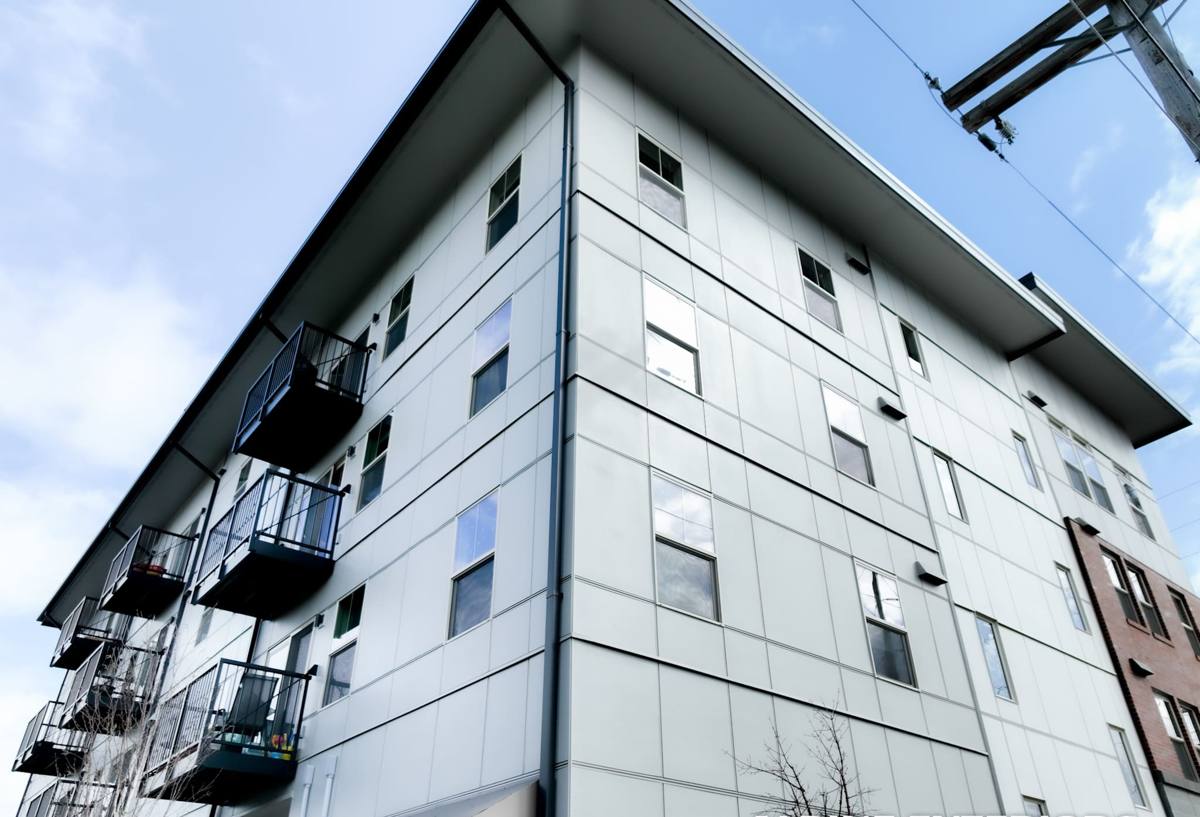
Signs Your Siding Needs a Closer Look
A lot of siding damage doesn't announce itself. It shows up as small visual or textural changes that homeowners write off until the underlying problem has already spread. Here's what we tell Nooksack homeowners to watch for between now and the next dry spell:
- Soft or spongy spots when you press on the siding, especially near the bottom edge or around windows and doors
- Visible gaps, cracks, or separated seams where panels or boards meet
- Persistent green or black staining that comes back within weeks of being cleaned
- Paint that's bubbling, peeling, or failing in one specific area rather than uniformly across the wall
- Warping, bowing, or boards that no longer sit flush against the wall
- A musty smell near an exterior wall inside the home
- Trim, corner boards, or caulk lines that have pulled away and left visible gaps
Any one of these on its own might be minor. Two or three in the same area, especially on a wall that faces prevailing weather, usually means moisture has already gotten past the surface.
What's Actually Driving Damage in This Part of Whatcom County
Moisture That Doesn't Dry Out Fast
The marine-influenced air that moves through Whatcom County brings the same driving rain and salt-tinged dampness to inland communities like Nooksack that it brings to the coast. The difference isn't whether a wall gets wet — every wall here does — it's how quickly it gets a chance to dry between weather systems. Siding materials and installation details that trap moisture instead of shedding it are the root cause behind most of the repair calls we take.
Moss and Organic Growth
A long moss season means organic growth isn't limited to roofs and shaded fence lines. It takes hold on siding too, especially in corners, under eaves, and anywhere airflow is restricted. Moss holds moisture directly against the surface it's growing on, which accelerates rot in wood-based products and can work into seams and fastener holes on almost any siding type if those details weren't sealed correctly to begin with.
Temperature Swings and Material Movement
Whatcom County doesn't get extreme heat, but it does get repeated cycles of damp cold followed by mild stretches. Siding materials expand and contract with those swings. Products that weren't engineered for this specific pattern of movement — or that were installed without the correct gaps and fastening — develop stress cracks and seam failures faster than the same product would somewhere with a more stable climate.
Repair vs. Replacement: How We Actually Decide
Not every damaged section needs a full re-side, and we don't push replacement on homes that don't need it. The honest answer depends on how far the damage has spread and what's underneath it.
| Factor | Repair Usually Makes Sense | Replacement Usually Makes Sense |
|---|---|---|
| Extent of damage | Isolated to one or two sections or walls | Recurring across multiple walls or the whole exterior |
| Sheathing condition | Solid and dry once siding is pulled back | Soft, delaminated, or showing rot |
| Siding material | Still structurally sound, matchable material available | Discontinued, brittle, or failing as a product |
| Age of siding | Well within expected service life | At or past the age where failures are becoming routine |
| Cause of damage | A fixable detail — flashing, caulking, a single impact | A systemic issue — trapped moisture, wrong material for the climate |
When we're not sure which category a home falls into from the outside, we say so. Part of a proper repair estimate in Nooksack is opening up the damaged area enough to see what's actually happening behind the siding before recommending a path forward.
What a Correct Siding Repair Involves
Diagnosing the Cause, Not Just the Symptom
Replacing a damaged board without figuring out why it failed just means the replacement fails the same way. Before any repair work starts, we look at flashing, house wrap, caulking, and drainage paths around the damaged area — because in this climate, the siding itself is rarely the only thing that needs attention.
Checking the Water-Resistive Barrier
Once siding is removed from a repair area, the house wrap or building paper underneath needs to be intact, properly lapped, and free of tears. Damaged barrier material gets replaced as part of the repair, not left in place under new siding, because that's the layer actually doing the work of keeping bulk water out of the wall assembly.
Matching Material and Finish
A repair that stands out visually is a repair done with the wrong material or the wrong install technique. For homes with James Hardie fiber cement siding, matching the specific plank profile and ColorPlus finish keeps the repair blended in rather than looking patched. This is one more reason we standardized on a single product system — it makes clean, matching repairs possible years down the road.
Sealing and Flashing Details
The joints, corners, and penetrations around a repair are where most future failures start if they're rushed. Correct flashing above windows, doors, and trim, along with proper sealant at joints designed to move, is what keeps a repair performing for years rather than needing to be revisited after the next wet winter.
Why the Siding Product Underneath a Repair Matters
We only install James Hardie fiber cement siding, and that applies to repair work as well as full replacements. Hardie's HZ5 product line is engineered specifically for climates like this one — freeze-thaw cycling, sustained moisture, and the kind of weather Whatcom County sees for most of the year. It's non-combustible, holds its factory-applied ColorPlus finish far longer than field-applied paint, and comes with a strong transferable warranty.
We don't install vinyl, LP SmartSide, Cemplank, Allura, or primed wood siding, and we're upfront about why. Vinyl expands and contracts more than fiber cement and can crack or warp under repeated freeze-thaw stress. Engineered wood products like LP SmartSide perform well when installation is exact, but they're more sensitive to the kind of prolonged moisture exposure Nooksack sees, and any lapse in sealing or maintenance shortens their lifespan. Primed wood and cedar require ongoing maintenance to keep moisture out, which is a harder standard to meet in a climate that rarely gives siding a long enough dry stretch to make maintenance easy. None of these are bad products in the right application — they're just not what we're willing to stand behind on homes in this climate, which is why we standardized on one system we trust for both new installs and repairs.
Our Process for Siding Repair Calls in Nooksack
1. On-Site Inspection
We look at the damaged area and the surrounding siding, check for related issues at trim, flashing, and seams, and get an honest read on what's happening behind the surface where possible.
2. A Clear, Written Estimate
You get a specific scope of work and price before anything is scheduled — what's being repaired, what materials are used, and why, with no vague line items.
3. The Repair Itself
We remove only what needs to come off, address the barrier and flashing underneath, install matching material, and finish with correct sealant and trim detailing.
4. Final Walkthrough
Before we consider the job done, we walk the repair area with you so you can see exactly what was fixed and why it will hold up.
Why It Matters to Hire a Crew That Already Works in Nooksack
Siding repair done right depends on understanding the specific way a region's weather attacks an exterior. A crew that mostly works in drier climates, or that treats every siding repair the same regardless of location, is more likely to miss the moisture and flashing details that matter most here. Working regularly in Whatcom County communities like Nooksack means we're not guessing at how driving rain, salt-tinged air, and a long moss season interact with a wall assembly — we're addressing the same underlying conditions on a regular basis and building repairs that account for them from the start.
If you've noticed a soft spot, a stain that won't come clean, or trim that's starting to pull away, it's worth having someone look at it before another wet season adds to the damage. We offer free, no-pressure estimates for siding repair in Nooksack — fill out the form below and we'll take a look.