 Whatcom County
 Metal Roofing Built for Silver Beach's Conditions
Silver Beach sits in one of the wetter, greener pockets of Whatcom County, and that setting shapes what a roof needs to do here. Between the tree canopy, the moisture that rolls in off the water, and the marine air that moves through this part of Washington, roofs in this neighborhood work harder than roofs in drier inland areas. A metal roof can handle that load well, but only when it's specified and installed with this specific environment in mind — not treated like a generic upgrade dropped on any house, anywhere.
We work Silver Beach regularly, which means we're not guessing at how a roof here holds up over five, ten, or twenty years. We've seen what the shade and moisture do to different roofing choices over time, and that shapes how we spec and install metal for homes in this area.
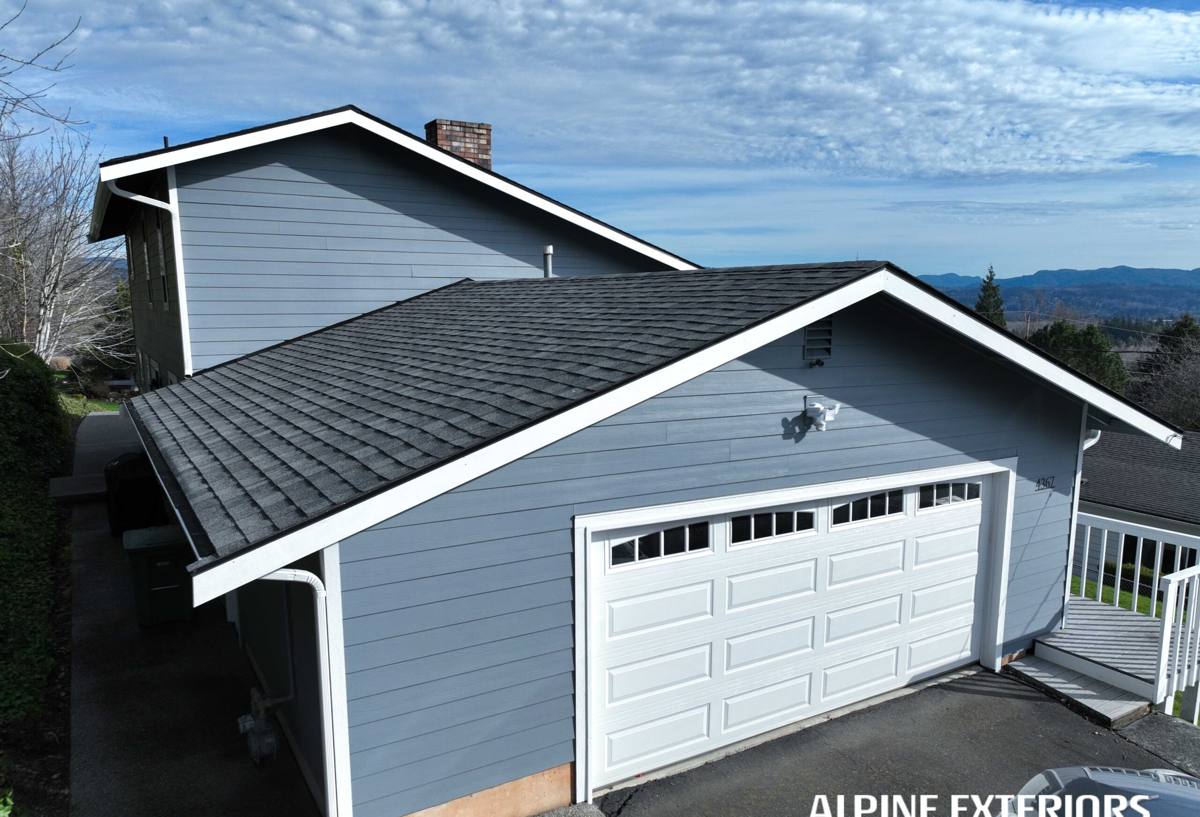
What Driving Rain and a Long Moss Season Actually Demand
Whatcom County's wet season isn't just about total rainfall — it's about how long roofs stay damp between dry stretches. Driving rain pushed by wind can find its way under poorly lapped flashing or fasteners that weren't seated correctly, and once water gets past the surface layer, it doesn't dry out quickly under tree cover. That combination — frequent rain, limited sun exposure on shaded sections, and long stretches of damp weather — is exactly what feeds moss and moisture-related wear on a roof.
Metal roofing is a strong answer to that pressure because it doesn't absorb water and doesn't give moss the organic surface it needs to gain a foothold the way some other materials do. But metal only delivers that advantage if the details underneath are done correctly. A metal roof with sloppy flashing or the wrong underlayment can still trap moisture at seams, valleys, and penetrations — the same weak points that cause problems on any roof type.
Where Problems Actually Start
- Valleys and roof-to-wall transitions where water concentrates
- Areas shaded most of the day by trees, where moisture lingers longest
- Fastener penetrations that weren't sealed or torqued correctly
- Low-slope sections where standing water has more time to find a way in
- Gutter and eave areas where debris builds up and holds moisture against the edge
Panel Types: What We Actually Recommend and Why
Not every metal roofing system performs the same way under Whatcom County conditions. We generally steer homeowners in Silver Beach toward standing seam systems for most applications, and here's the honest reasoning behind that.
Standing seam panels use raised, interlocking seams with concealed fasteners, so there are far fewer penetration points where water can work its way in over time. Exposed-fastener metal panels cost less up front and are a reasonable option for some structures, but every exposed screw is a potential leak point once its rubber washer eventually hardens and loses its seal — and in a climate with this much sustained moisture, that maintenance burden adds up. We're upfront with clients about that trade-off rather than pretending it doesn't exist.
| Factor | Standing Seam | Exposed-Fastener Panel |
|---|---|---|
| Water resistance | Concealed fasteners, fewer entry points | Exposed screws, more seal points to maintain |
| Typical lifespan | 40–60+ years with proper install | 25–40 years, shorter if fasteners aren't maintained |
| Upfront cost | Higher | Lower |
| Maintenance | Minimal once installed correctly | Periodic fastener/washer inspection recommended |
| Best fit | Primary roofs, long-term ownership | Outbuildings, budget-driven projects |
What a Correct Installation Involves
The panel itself is only part of the system. In a climate like this, what's underneath and around the metal matters just as much as the metal itself.
Underlayment
We use a synthetic, water-resistant underlayment rated for the moisture load this region sees, with self-adhered membrane at vulnerable points like valleys, eaves, and around penetrations. This layer is what protects the deck if any moisture ever does get past the panel seams — it's not optional in a climate that stays wet for extended stretches.
Flashing and Transitions
Chimneys, skylights, dormers, and wall transitions are where most roof failures actually originate, metal or otherwise. Correct flashing here means properly lapped, sealed metal detailing — not caulk substituting for good sheet metal work.
Ventilation
Trapped attic moisture doesn't just cause interior problems — it can undermine a roof deck from underneath even when the exterior surface is sound. We check existing ventilation as part of the roofing process and address gaps rather than roofing over an underventilated attic.
Fastening and Panel Engagement
Panels need to be fastened to manufacturer spec for wind uplift resistance appropriate to this part of Washington, and seams need to be fully engaged — not just laid down and hoped for.
Our Process for Silver Beach Homes
- On-site assessment — we look at slope, tree exposure, existing ventilation, and any current moisture or moss issues before recommending anything.
- Honest scope and options — we walk through panel type, underlayment approach, and realistic cost ranges so the decision is informed, not pressured.
- Tear-off and deck inspection — we check the deck for rot or soft spots before new material goes down, since covering a compromised deck just hides a bigger problem.
- Underlayment and flashing installation — done to the detail level described above, especially at valleys and penetrations.
- Panel installation — fastened and seamed to spec, with attention to how the roof will actually shed water given the home's specific slope and shade pattern.
- Final walkthrough and cleanup — we review the finished roof with the homeowner and clear the site of debris and old material.
Maintenance That Actually Keeps a Metal Roof Performing
Metal resists moss far better than many roofing materials, but "resistant" isn't "immune" — organic debris that collects in valleys or against a chimney can still hold moisture against a panel long enough to cause staining or, over many years, localized wear. A little seasonal attention goes a long way, especially on homes with heavy tree cover.
- Clear leaves and needle debris from valleys and low points a couple times a year
- Keep gutters and downspouts flowing freely so water doesn't back up against the eave
- Trim back branches that overhang the roofline where practical
- Watch for streaking near penetrations, which can signal a sealant or flashing issue worth checking early
- Have the roof looked at after any major windstorm, rather than waiting for a visible leak
Why a Crew That Already Works This Area Matters
A lot of roofing problems in Whatcom County trace back to details that get overlooked by crews unfamiliar with how this climate behaves — underlayment that's adequate for a drier region but not for sustained coastal moisture, ventilation that gets treated as an afterthought, or flashing work rushed because the crew is used to simpler, drier conditions elsewhere. Working Silver Beach regularly means we're not learning these lessons on your roof. We know which details matter most given the tree cover, the moisture, and the long stretches of wet weather typical here, and we plan the installation around that from the start rather than applying a one-size-fits-all approach.
What Drives the Cost of a Metal Roof Here
| Factor | Why It Matters Locally |
|---|---|
| Roof complexity (valleys, dormers, penetrations) | More transitions mean more flashing detail — the highest-risk work in this climate |
| Panel type chosen | Standing seam costs more up front but reduces long-term maintenance exposure to moisture |
| Deck condition | Moisture-related deck repair, if needed, is common on older roofs in shaded, damp areas |
| Access and slope | Tree-lined lots and steeper pitches can affect labor and staging |
| Ventilation upgrades | Correcting inadequate attic ventilation adds scope but protects the investment |
We give real, project-specific numbers after seeing the roof in person — broad online estimates rarely hold up once slope, access, and existing conditions are factored in.
Is Metal the Right Call for Your Home?
Metal roofing isn't automatically the right choice for every house in every situation, and we'll tell you that directly if a different approach makes more sense for your budget or timeline. But for homes in Silver Beach dealing with heavy shade, persistent moisture, and a roofing history of moss or recurring maintenance, metal's resistance to organic growth and water absorption makes a real, practical difference over the life of the roof.
If you're weighing a metal roof for your Silver Beach home, we're happy to take a look and walk you through what your specific roof actually needs — no pressure, no generic sales pitch. Fill out the form below for a free estimate and we'll go from there.