 Whatcom County
 Windows Built for Lynden's Weather, Not Just Its Look
Lynden sits far enough inland to escape the worst of the coastal fog, but it still gets the full package of Whatcom County weather: long stretches of driving rain from fall through spring, salt-tinged air that drifts in off the Strait and Bellingham Bay on windy days, and a moss season that seems to start earlier every year. Windows here aren't just a design choice. They're a barrier that has to hold up against moisture pressure for months at a time, and the ones that fail usually fail quietly, behind the trim, long before anyone notices water on the sill.
We install custom windows for homes throughout Lynden and the surrounding Whatcom County area, and most of the calls we get aren't about broken glass. They're about drafts that showed up out of nowhere, fogging between panes, wood trim gone soft at the corners, or a homeowner who just wants a home that's quieter and easier to heat. Custom windows solve all of that, but only when the sizing, materials, and installation are matched to this specific climate.
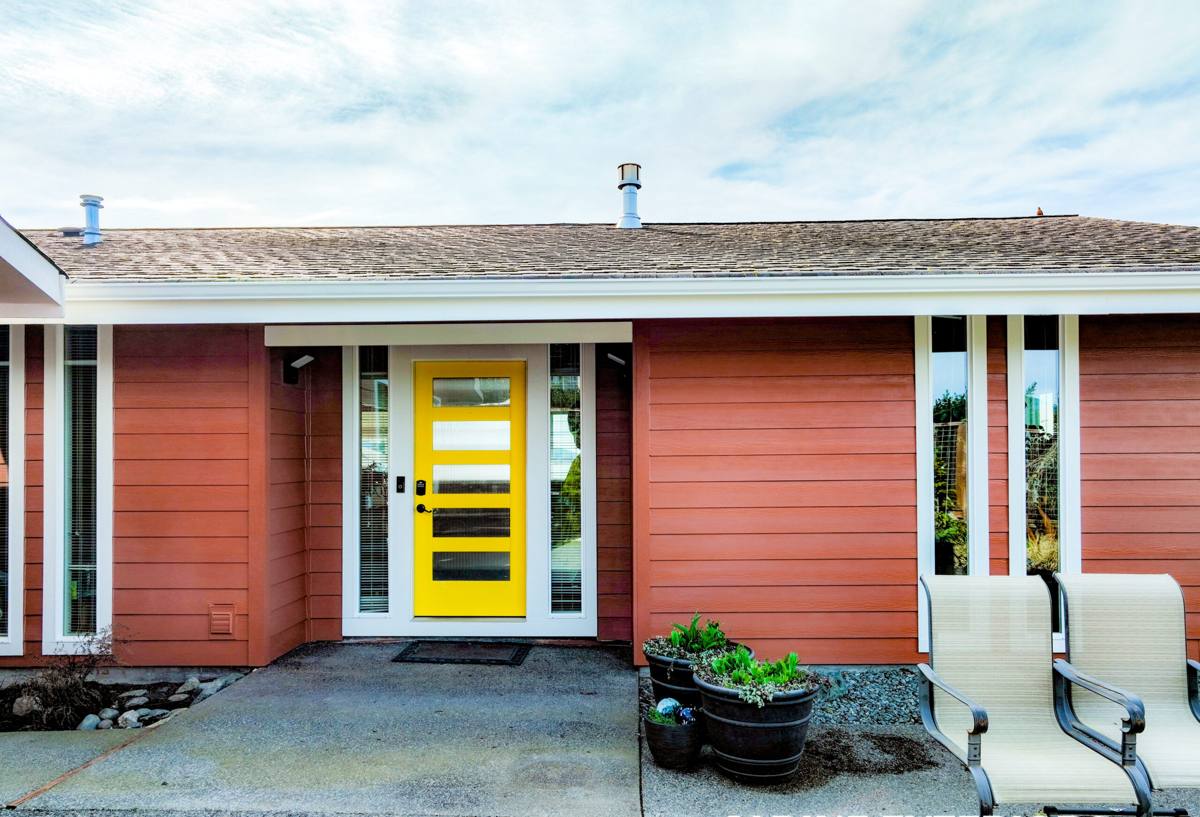
What "Custom" Actually Means for a Window Job
Custom doesn't mean expensive or fancy. It means the window is built to fit your opening, your home's style, and your performance needs, rather than pulled off a shelf in a standard size. For older Lynden homes, especially ones built before consistent framing standards, that matters a lot. Openings settle, shift, and are rarely perfectly square decades later.
Where custom sizing pays off
- Farmhouse and older rural properties with irregular or hand-framed openings
- Additions or remodels where the new opening doesn't match a stock size
- Matching sightlines across a whole elevation so replacement windows don't look mismatched next to originals
- Specialty shapes — bay, picture, or transom windows — that stock sizing can't cover
- Homes where you want a specific grille pattern or exterior color that isn't a standard catalog option
If your home has fairly standard, square openings, a well-built standard-size window can perform just as well. Part of our job during the estimate is telling you honestly which situation you're in, instead of upselling custom work you don't need.
The Climate Problems We're Actually Solving
Driving rain and wind-driven moisture
Whatcom County storms don't always come straight down. Wind-driven rain pushes water sideways against the building envelope, which means flashing and sealant details around the window opening matter as much as the window unit itself. A great window with a poorly flashed opening will still leak — just slower, and in a way that rots framing before it ever shows up as a visible drip.
Salt air and hardware corrosion
Lynden isn't right on the water, but the marine air here still carries enough salt to accelerate corrosion on cheap hardware over years of exposure. Locks, hinges, and balance mechanisms made from lower-grade metals can start sticking or corroding well before the glass or frame shows any wear.
Moss, algae, and prolonged dampness
The same damp, shaded conditions that grow moss on a roof will grow mildew and algae on window sills, especially on the north and west sides of a house that don't get much direct sun. Materials and finishes that shed water quickly and don't hold organic growth make a real difference in how a window looks five years in.
Condensation and indoor humidity
Wet-climate homes tend to run higher indoor humidity, especially in winter with the heat running and windows closed for months. Poorly insulated or single-pane windows condense that humidity right on the glass, and over time that moisture works its way into the frame and surrounding wall.
Frame Material: The Decision That Matters Most
We get asked constantly which frame material is "best." The honest answer is that it depends on your home, your budget, and how much upkeep you want to take on. Here's how the common options actually perform in a Whatcom County climate.
| Material | Moisture Performance | Maintenance | Best Fit |
|---|---|---|---|
| Vinyl | Excellent — won't rot, corrode, or absorb water | Low; occasional cleaning | Most Lynden homes, budget-conscious replacements |
| Fiberglass | Excellent — very stable in temperature and moisture swings | Low | Homes wanting a stronger frame with a paintable finish |
| Wood (clad exterior) | Good if properly clad and flashed; interior wood look | Higher — exterior clad reduces but doesn't eliminate upkeep | Historic or traditional-style homes where wood interior look matters |
| Solid wood (unclad) | Poor without diligent upkeep in constant damp exposure | High — regular painting/sealing required | We generally steer homeowners away from this in our climate unless it's a strict historic requirement |
| Aluminum | Fair — conducts cold and can condense without a thermal break | Low, but corrosion risk near salt air without proper coating | Larger commercial-style openings, less common for residential retrofits here |
We don't install unclad solid wood windows as a standard offering, not because wood can't look great, but because keeping it sealed against year-round damp exposure is a maintenance commitment most homeowners underestimate. If a project specifically calls for it — a historic restoration, for example — we'll talk through what that upkeep really looks like before you commit.
Glass Packages and What They're Actually For
Glass is where a lot of the real performance difference happens, and it's often overlooked in favor of frame material.
- Double-pane, standard Low-E: A solid baseline upgrade from old single-pane windows, cutting heat loss and UV fading noticeably.
- Double-pane, argon-filled: Adds a layer of insulating gas between panes for better thermal performance in our cold, wet winters.
- Triple-pane: Worth considering for north-facing rooms, bedrooms over unheated spaces, or homeowners prioritizing sound reduction and maximum efficiency — at a higher cost.
- Impact or laminated glass: Less about storm impact here than about extra sound dampening and security, useful for ground-floor windows.
More glass layers isn't automatically the right call for every room. We'll walk through which rooms actually benefit from the upgrade versus where a standard double-pane package already does the job.
Installation Details That Determine Whether a Window Lasts
The window itself is maybe half the equation. The other half is installation, and in a climate like ours, sloppy installation is where most failures actually start.
What a correct installation includes
- Removing old flashing and inspecting the framing underneath for hidden rot before anything new goes in
- Properly lapped flashing tape and sill pans that direct any intruding water back outside, not into the wall cavity
- Continuous, correctly rated sealant beads at all sides — not just a bead of caulk around the trim
- Shimming the unit square and level in the opening so the window operates smoothly for years, not just on install day
- Insulating the gap between the window frame and rough opening without overpacking, which can bow the frame
- Exterior trim and caulking finished to shed water away from the window, not pool against it
Skipping any one of these steps can look identical to a correct install on the day the crew leaves. The difference shows up two, three, or five winters later, which is exactly why the installer's track record in this specific climate matters as much as the window brand.
Our Process for a Lynden Window Project
- On-site assessment: We inspect existing openings, check framing condition, and talk through what's actually driving the replacement — drafts, appearance, energy bills, or damage.
- Honest recommendation: We tell you where custom sizing is genuinely needed versus where a standard size will perform the same for less money.
- Written estimate: Materials, glass package, and installation scope spelled out clearly, with no vague allowances.
- Removal and inspection: Old windows come out carefully, and we check the framing underneath before anything new is installed.
- Installation: Flashing, sealing, and shimming done to hold up against wind-driven rain, not just pass a quick visual check.
- Final walkthrough: We test operation on every window and go over care basics before we consider the job done.
Why a Local Crew Makes a Real Difference
Anyone can sell a window. Fewer contractors have actually installed dozens of them into Whatcom County's specific mix of older farmhouse framing, damp-season timing constraints, and coastal-influenced weather patterns. A crew that already works in Lynden knows to schedule around the wettest stretches of the year when possible, recognizes what typical local framing and moisture damage looks like before it's fully exposed, and isn't guessing at how a given product will hold up here — they've already seen it in other homes nearby.
That local experience also means faster, more accurate estimates. We're not learning your climate on your project; we already know what driving rain and a long moss season do to an improperly sealed window, and we build every install around avoiding that outcome.
Signs It's Time to Talk About Replacement
Not every drafty window needs full replacement, but these are the signs worth getting looked at:
- Visible fog or moisture trapped between panes
- Windows that are difficult to open, close, or lock
- Soft, discolored, or crumbling wood trim around the frame
- Noticeable drafts even with the window fully closed and locked
- Condensation forming on the inside of the glass regularly in colder months
- Visible gaps or daylight around the frame from outside
If any of that sounds familiar, or you're just ready to plan ahead for a window upgrade, we're happy to take a look. Use the form below to request a free, no-pressure estimate for your Lynden home.