 Whatcom County
 Why Silver Beach Homes Need a Different Approach to Siding
Silver Beach sits in one of the more demanding micro-climates in Whatcom County. Homes here take on a mix of conditions that most siding products were never really engineered for: moisture rolling off Lake Whatcom, salt-tinged air working its way inland from Bellingham Bay, driving rain that hits siding sideways during fall and winter storms, and a moss season that can stretch from October well into spring. Any one of these on its own is manageable. Together, over years, they expose the weak points in whatever's on the wall.
We install James Hardie fiber cement siding exclusively, and Silver Beach is exactly the kind of neighborhood that explains why. This page walks through what the climate actually does to a home's exterior here, what a correct Hardie installation looks like for this specific area, and what our process is when we work in this neighborhood.
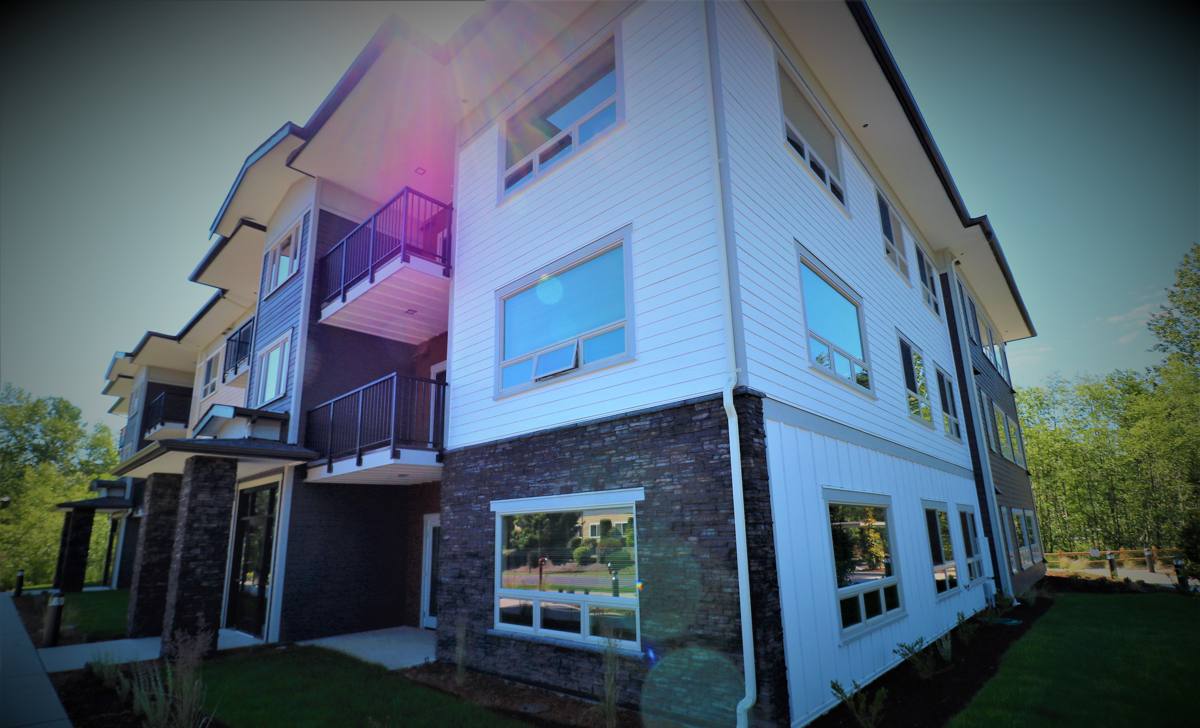
What Salt Air, Rain, and Moss Actually Do to Siding
Salt Air
Homes closer to the water deal with airborne salt that settles on exterior surfaces and accelerates corrosion of fasteners, trim, and any metal components in a siding system. It also interacts with certain coatings over time, causing fading or chalking faster than a manufacturer's published lifespan would suggest for an inland home.
Driving Rain
Whatcom County storms don't always fall straight down. Wind-driven rain pushes water sideways into seams, laps, and butt joints — the exact spots where a siding system either sheds water correctly or lets it track behind the cladding. A siding product that handles vertical rain fine can still fail here if the installation details (flashing, lap spacing, caulking at joints) aren't done right.
Moss and Prolonged Dampness
A long moss season means siding surfaces stay damp longer between dry spells. Materials that absorb moisture — even a little — hold onto that dampness, which feeds moss and algae growth, softens wood-based products over time, and creates the freeze-thaw stress on colder nights that Bellingham does get a handful of each winter.
Why Fiber Cement Specifically — and Why We Don't Install Alternatives
James Hardie fiber cement is made from cement, sand, and cellulose fibers. It doesn't absorb water the way wood-based siding does, it won't rot, and it's non-combustible. That combination matters directly for a neighborhood like Silver Beach:
- It doesn't swell or delaminate from repeated wet-dry cycles the way engineered wood products can when a seam or cut edge is exposed to standing moisture.
- It holds its factory-applied finish (ColorPlus Technology) far longer under UV and salt exposure than field-applied paint, which means fewer repaint cycles over the life of the siding.
- It's dimensionally stable, so caulked joints and trim lines stay tight instead of opening up as the material expands and contracts with temperature and moisture swings.
We get asked why we don't offer vinyl, LP SmartSide, or cedar as options. The honest answer is that we've made a professional call to standardize on one product we can install to spec, warranty properly, and stand behind — rather than juggling installation details, flashing requirements, and maintenance expectations across several different systems. Vinyl can warp and doesn't hold up well to sustained damp conditions at seams. Wood-based products need consistent maintenance and are more sensitive to the kind of moisture exposure this area sees for months at a stretch. Cedar is a beautiful, legitimate material, but it requires an ongoing maintenance commitment many homeowners don't want to sign up for long-term in a climate this wet. Hardie isn't the only siding that exists — it's the one we're confident installing correctly, every time, in these conditions.
James Hardie Product Lines That Fit This Area
Hardie's HZ5 climate designation is engineered specifically for regions with cold, wet weather — which describes Whatcom County well. The right product choice depends on the home's style and exposure:
| Product | Best Fit For | Why It Works Here |
|---|---|---|
| HardiePlank Lap Siding | Most single-family homes, traditional and craftsman styles | Classic horizontal lap profile; sheds driving rain well when installed with correct lap spacing |
| HardiePanel Vertical Siding | Modern builds, accent walls, gable ends | Fewer horizontal laps means fewer water-entry points on high-exposure walls |
| HardieShingle Siding | Homes wanting a cedar-shake look near the lake or water | Gives the traditional shingle appearance without wood's moisture sensitivity |
| HardieTrim Boards | Corners, window and door surrounds | Stable trim that won't rot or gap where water tends to concentrate |
What a Correct Installation Involves
Fiber cement performs the way it's supposed to only when it's installed to Hardie's published specifications. This is where a lot of the real-world difference between a siding job that lasts and one that fails early comes from — and it's especially true in a wet, wind-exposed area like Silver Beach.
Water Management Behind the Siding
Correct installation starts before the first board goes up. That means a properly lapped weather-resistant barrier, correctly flashed windows and doors, and a rainscreen or drainage gap where conditions call for it, so any moisture that does get past the cladding has somewhere to go instead of sitting against the wall sheathing.
Fastening and Clearances
Hardie specifies minimum clearances from grade, roofing, decks, and other surfaces, along with specific nailing patterns. Skipping these — a common shortcut on rushed jobs — is one of the most frequent causes of early moisture intrusion and warranty denial.
Joint and Seam Treatment
Butt joints need to be properly flashed or caulked with a compatible sealant, not just butted together. In a location that gets sustained wind-driven rain, this detail is the difference between a seam that sheds water and one that wicks it straight into the wall assembly.
Factory Finish Integrity
ColorPlus finished boards are cut and handled with specific tools and touch-up products to preserve the factory coating. Using the wrong blade or skipping touch-up on cut edges creates a weak point where moisture and salt exposure can attack the raw material first.
Our Process for Silver Beach Projects
- On-site assessment: We walk the exterior, check current siding condition, look at water management (grading, gutters, roof-wall intersections), and note any rot or moisture damage that needs addressing before new siding goes on.
- Product and color selection: We help you choose the right Hardie profile and ColorPlus color for your home's style and exposure, factoring in which walls take the most weather.
- Detailed, written estimate: Scope, product lines, and cost factors laid out clearly — no vague allowances.
- Prep and moisture barrier installation: Removal of old siding, repair of any damaged sheathing, and installation of the weather-resistant barrier and flashing system.
- Hardie installation to manufacturer spec: Correct fastening, clearances, joint treatment, and trim work.
- Final walkthrough: We go over the finished job with you before calling it done.
Why Hiring a Crew That Already Works This Neighborhood Matters
Siding installation isn't uniform across Whatcom County. A crew that mostly works drier, inland areas may not think twice about water management details that matter a lot more on a lake-adjacent, wind-exposed property. Working regularly in and around Silver Beach means we already know to check things like roof-wall transitions that catch wind-driven rain, and where moss tends to build up fastest on north- and lake-facing walls. That familiarity translates into fewer callbacks and a job that's built for the conditions it'll actually face, not generic conditions.
Cost Factors for This Type of Project
Every home is different, but the main variables that affect cost on a Hardie siding project in this area are consistent:
| Factor | Why It Matters |
|---|---|
| Home size and wall complexity | More corners, gables, and dormers mean more cutting, trim work, and labor time |
| Current siding removal and any sheathing repair | Rot or moisture damage found underneath old siding needs to be fixed before new siding goes up |
| Product line selection | Lap, panel, and shingle profiles carry different material and labor costs |
| Trim and detail work | Custom trim around windows, doors, and corners adds time but improves water management |
| Site access | Slopes, tight lot lines, or limited equipment access near the lake can affect labor efficiency |
Signs Your Silver Beach Home May Need New Siding Soon
- Persistent moss or algae growth that returns quickly after cleaning
- Soft spots, bubbling, or visible warping, especially on lake- or wind-facing walls
- Paint that's peeling or blistering faster than a normal repaint cycle would suggest
- Gaps opening up at seams, corners, or trim boards
- Visible staining or discoloration that tracks with water runoff paths
- Rising heating bills that may point to compromised insulation behind failing siding
If you're weighing a siding project for a Silver Beach home, we're happy to take a look and walk you through what we'd recommend and why — no pressure, no obligation. Request a free estimate below and we'll get back to you to schedule a time to come out.