 Whatcom County
 Why Siding in Nooksack Has to Work Harder Than Siding Almost Anywhere Else
Nooksack sits in the Nooksack River valley in northern Whatcom County, where weather doesn't so much arrive as settle in. Moisture-laden air moves inland off the Salish Sea and hangs in the valley for days at a time, driving rain comes in sideways during winter storms, and the shaded, damp conditions that make this area green also make it one of the harder places in Washington to keep exterior wood and wood-based products dry. Add a moss season that can run eight months out of the year on north-facing walls and shaded elevations, and you have a climate that punishes any siding product with a weak point in its finish, its fastening, or its moisture management.
This isn't a marketing exaggeration — it's the reason so many older homes in this part of the county show siding failure well before the rest of the house is due for work. Paint that should last a decade peels in six years. Butt joints that were caulked instead of properly flashed let water track behind the cladding. Products that look fine in a showroom in Seattle don't always hold up the same way after five winters in a river valley with limited direct sun.
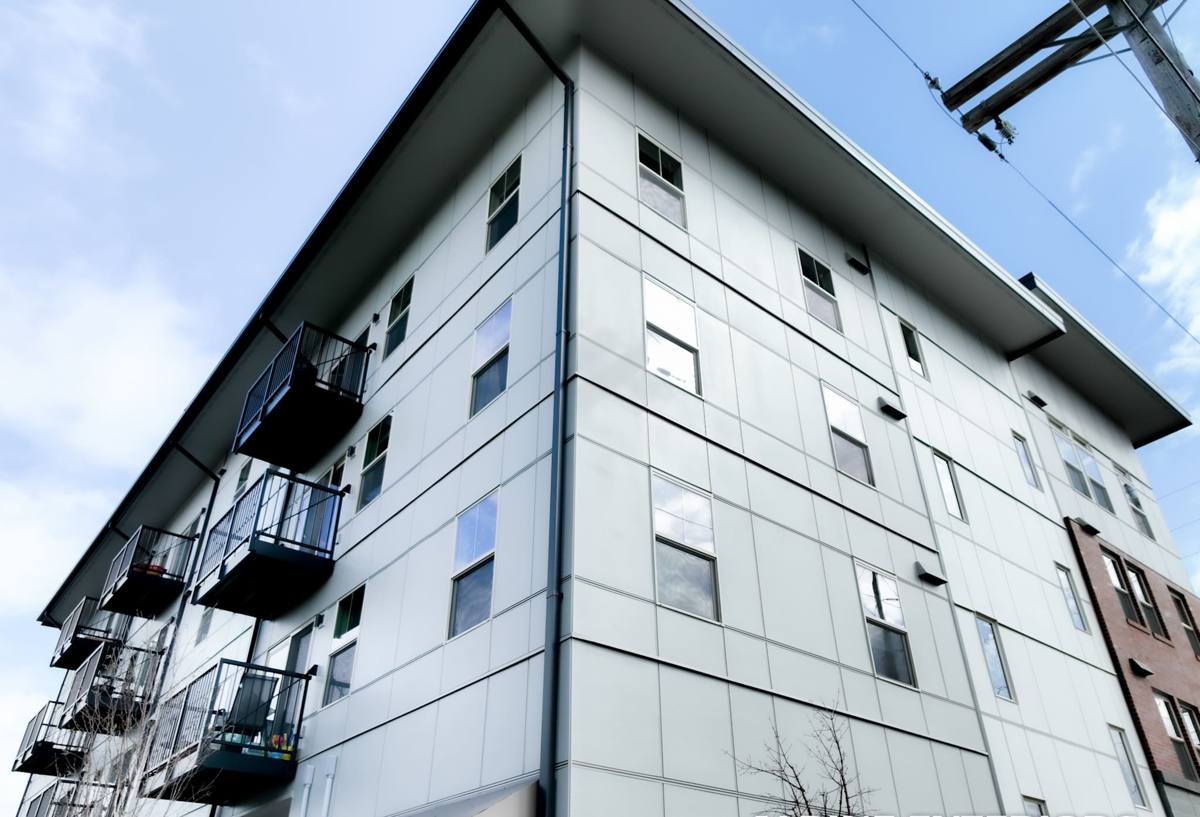
What "Correct" Fiber Cement Installation Actually Means Here
Fiber cement siding is only as good as its installation. The product itself resists moisture, insects, and fire far better than wood-based alternatives, but a poor install can undermine all of that. In a climate like Nooksack's, a handful of details matter more than they would in a drier region:
- Ground and deck clearance — siding installed too close to grade, decking, or roofing wicks moisture up from splashback and standing water, which is a common problem on homes near the river valley floor.
- Proper flashing at every horizontal transition — window heads, deck ledgers, roof-to-wall intersections, and butt joints all need flashing, not just caulk, because caulk is a maintenance item and flashing is permanent.
- Correct fastener placement and spacing — James Hardie engineers publish specific nailing patterns for each climate zone and each product line; skipping or loosening these voids the manufacturer's warranty and invites water intrusion at every fastener.
- Rainscreen or drainage plane behind the siding — a ventilated gap lets bulk water and incidental moisture drain and dry instead of sitting against the wall assembly, which matters enormously in a valley that stays damp for long stretches.
- Factory-cut, factory-primed edges wherever possible — every field cut is a raw edge that needs to be sealed correctly before it's exposed to weather; sloppy field cutting is one of the most common causes of early siding failure we see.
None of this is exotic. It's the difference between an installer who treats siding as a cladding product and one who treats it as a water management system — because that's what exterior siding actually is.
Why We Only Install James Hardie
We standardized on James Hardie fiber cement for every job we take on, including here in Nooksack, and we don't install vinyl, LP SmartSide, Cemplank, Allura, or primed wood siding. That's not a sales position — it's a professional standard we hold because of what we've seen happen to each of those products under real Pacific Northwest weather over time.
James Hardie's HZ5 product line is specifically engineered for climates with prolonged moisture exposure and freeze-thaw cycling, which describes Whatcom County well. The fiber cement itself is non-combustible, doesn't support insect activity, and doesn't swell or delaminate at cut edges and joints the way engineered wood products can when water gets in. The ColorPlus factory finish is baked on and warrantied against fade and peeling for a defined term — a meaningful difference from field-applied paint, which is the first thing to fail on most siding types in this climate. Hardie also backs its products with a transferable limited warranty, which matters to homeowners who may sell within a decade or two — a warranty that follows the house adds real value at resale.
We won't pretend other products are without any merit. Vinyl is inexpensive and low-maintenance in mild conditions. LP SmartSide is easier and lighter to install than fiber cement. But in a river valley with heavy moss growth, prolonged dampness, and driving winter rain, we've made the call that the long-term performance and warranty structure of James Hardie fiber cement is what we're willing to put our name behind. That's the product we bring to every Nooksack estimate.
Our Process for a Nooksack Siding Job
1. On-site assessment
We walk the exterior, check for moisture damage behind existing siding, look at grading and drainage around the foundation, and identify problem areas like north-facing walls, shaded sections near mature trees, and low-clearance zones near decks or grade — all common trouble spots in this part of the county.
2. Moisture and substrate check
Before any new siding goes up, we confirm the sheathing underneath is sound. Installing new siding over rotten or waterlogged sheathing just hides a problem that will resurface, often faster than the original one did.
3. Weather barrier and drainage plane
We install or verify a code-compliant weather-resistive barrier and drainage gap before any Hardie board goes up, which is the single biggest factor in how well the wall assembly handles the valley's damp conditions over the following decades.
4. Installation to manufacturer spec
Fastening pattern, joint treatment, flashing, and clearances are all installed to James Hardie's published specifications for our climate zone — not shortcuts, not "close enough."
5. Final walkthrough
We review the finished work with the homeowner, point out anything they should watch for seasonally, and register the warranty paperwork.
Signs Your Current Siding Is Losing the Battle
Homeowners in Nooksack often live with early-stage siding failure for years before calling anyone, mostly because the signs are easy to write off as cosmetic. They usually aren't.
- Persistent moss or algae staining on siding that returns within weeks of cleaning
- Paint that's peeling, bubbling, or chalking faster than it should for its age
- Soft or spongy spots when you press on siding near the ground, deck ledgers, or window sills
- Visible warping, cupping, or separation at panel joints
- Interior wall discoloration, musty smell, or damp drywall on exterior-facing walls
- Caulk lines that have cracked or pulled away at trim and joints
Any one of these on its own might be minor. Two or more together, especially on the shaded or weather-facing side of the house, usually means moisture has already gotten past the surface layer.
What Affects the Cost of a Siding Project in This Area
| Factor | Why It Matters Here |
|---|---|
| Extent of hidden damage | Homes with long-term moisture exposure often need sheathing repair, which isn't visible until old siding comes off |
| House size and wall complexity | Dormers, multiple gables, and cut-up elevations increase labor and material waste |
| Product line and profile | Lap siding, board-and-batten, and panel systems within the Hardie lineup carry different material and labor costs |
| Trim and accessory scope | Fascia, soffit, and trim replacement alongside siding affects total project cost significantly |
| Access and site conditions | Rural lots, mature trees, and drainage work can add setup time and equipment needs |
We give exact numbers only after a walkthrough — anyone quoting a firm price over the phone for a job like this hasn't actually seen the house.
Why It Matters That We Already Work in Nooksack
A crew that regularly works Whatcom County's river valley communities already knows which details can't be skipped here. We know which elevations tend to hold moisture the longest through the winter, how moss establishes on shaded siding faster than it does elsewhere in the county, and what local permitting and inspection expectations look like for exterior work. That's not something a crew driving in from outside the region typically has dialed in on their first job in town, and on a wall system that's meant to last decades, that local familiarity is worth something real.
Maintenance That Actually Matters in This Climate
- Rinse moss and algae growth off siding at least once a year, more often on shaded north walls
- Keep gutters clear so overflow doesn't run down the siding face or pool near the base of the wall
- Trim back vegetation and tree cover that keeps siding damp and shaded longer than necessary
- Inspect caulk joints at trim, windows, and penetrations annually and recaulk before gaps open up
- Watch ground-contact areas near decks, planters, and grade for splashback staining
Properly installed James Hardie siding needs far less of this than wood-based alternatives, but no siding product in a climate like this is entirely maintenance-free.
Ready to Talk About Your Home
If your siding is showing its age or you're planning ahead for a replacement, we're happy to take a look and give you an honest read on what your home actually needs. There's no pressure and no obligation — just a straightforward assessment from a crew that installs James Hardie fiber cement siding throughout Whatcom County, including right here in Nooksack. Fill out the form below to get started.