 Whatcom County
 Cordata's Climate Puts Real Demands on Exterior Siding
Cordata sits in a part of Whatcom County where homes take a steady beating from the elements — not dramatic weather events, but the slow, cumulative kind. Marine-influenced air carries salt inland from the Puget Sound and Georgia Strait region, driving rain rolls through for months at a stretch, and the shaded, damp conditions common in this part of Washington create a long moss season that can run from fall through spring. None of these factors are dramatic on their own. Together, over years, they're exactly what wears out the wrong siding material.
Homes in Cordata are often shaded by mature trees and situated close to neighbors, which limits airflow and sun exposure on at least one or two elevations. Those north- and west-facing walls are usually the first to show moss growth, soft trim, or paint failure, because they simply don't get the drying time that a south-facing wall does. Any siding product installed here has to handle repeated wet-dry cycling without swelling, delaminating, or feeding mold and moss growth.
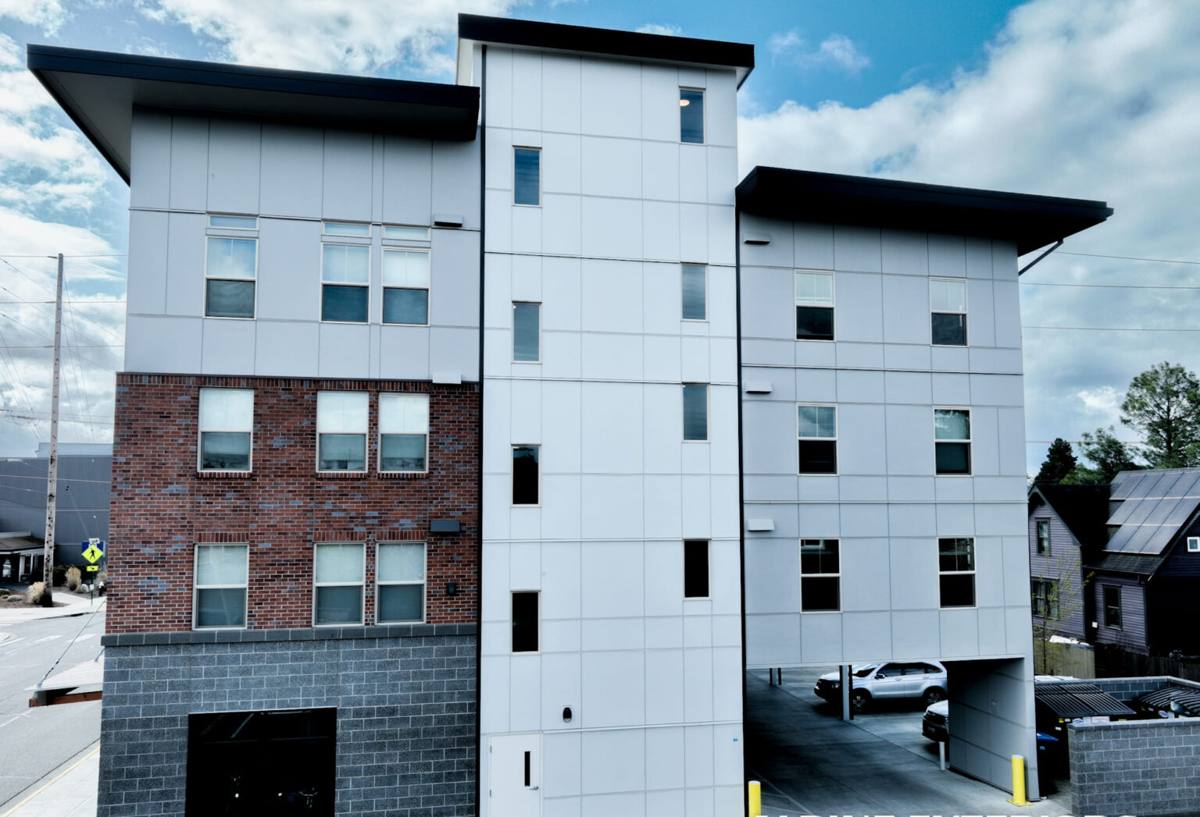
Why We Only Install James Hardie Fiber Cement
Whatcom County Siding installs James Hardie fiber cement exclusively. We don't install vinyl, LP SmartSide, Cemplank, Allura, or bare wood siding like primed spruce or cedar. That's a deliberate standard, not a sales preference, and it comes from watching how different materials actually perform in Whatcom County's marine climate over time — not from a single bad experience or a manufacturer relationship.
Fiber cement is a mix of cement, sand, and cellulose fiber, which makes it dimensionally stable and non-combustible. It doesn't absorb water the way wood-based products do, and it doesn't expand and contract with humidity the way vinyl does. James Hardie specifically engineers its HZ5 product line for the Pacific Northwest's wet, moderate climate, with a moisture and mold resistance profile that's built for regions like ours rather than a one-size-fits-all national spec. That regional engineering matters more in Cordata than it would in a dry climate, because the siding here rarely gets a long stretch to fully dry out between rain events.
What This Means in Practice
- No re-painting cycle every 5-7 years like bare wood siding typically needs
- Factory-applied ColorPlus finish resists fading and doesn't require field-painting to look finished
- Non-combustible material, which some insurers recognize with reduced premiums
- Resists moisture-driven warping, cupping, and delamination common with engineered wood siding in wet climates
- Backed by a transferable, long-term limited warranty when installed by a certified contractor to manufacturer spec
How Fiber Cement Siding Compares for a Cordata Home
Homeowners researching replacement siding usually end up comparing the same handful of materials. Here's an honest look at how they stack up against the conditions Cordata actually sees.
| Material | Moisture Behavior in Marine Climate | Maintenance Burden | Typical Lifespan |
|---|---|---|---|
| James Hardie Fiber Cement | Engineered for wet climates; resists moisture-driven damage | Occasional wash; no repainting with ColorPlus finish | 30-50+ years with proper install |
| Vinyl Siding | Won't rot, but expands/contracts and can crack in cold snaps; seams trap moisture | Low, but fades and becomes brittle over decades | 20-30 years |
| LP SmartSide (engineered wood) | Vulnerable at cut edges and seams if moisture gets behind it | Requires diligent caulking and repainting maintenance | Variable; heavily install-dependent |
| Cedar / Primed Spruce | Absorbs moisture, prone to rot and moss growth in shaded, damp areas | High — regular staining, sealing, and moss treatment | 15-25 years without heavy upkeep |
None of these materials are "bad" in every setting — vinyl works fine in dry regions, and cedar has real aesthetic appeal. But in a climate that gives siding a long, wet moss season and salt-laden coastal air, the trade-offs on the wood- and moisture-sensitive products show up faster than they would elsewhere.
What a Correct Fiber Cement Installation Actually Involves
Fiber cement siding is only as good as its installation. A huge share of the "siding problems" homeowners deal with — trapped moisture, staining, premature caulk failure — trace back to shortcuts taken during the install, not a flaw in the material itself. In a climate like Cordata's, correct installation isn't optional detail work; it's the difference between siding that lasts three decades and siding that fails in ten years.
What Our Process Covers on Every Job
- Tear-off and substrate inspection. We remove the old siding and check the sheathing underneath for rot, soft spots, or existing moisture damage before anything new goes up.
- Weather-resistive barrier and drainage plane. A proper water-resistive barrier, installed with correct lapping and integrated flashing, gives any water that does get behind the siding a path to drain out instead of sitting against the wall.
- Rainscreen gap where conditions call for it. On shaded, moisture-prone elevations especially common in Cordata, a ventilated air gap behind the siding lets the wall assembly dry out between rain events instead of staying damp.
- Manufacturer-spec fastening. James Hardie has specific nailing patterns, fastener types, and clearance requirements. Following them exactly is what keeps the warranty valid and prevents cracking or blow-through.
- Correct clearances. Siding needs proper clearance from grade, roofing, decks, and other transitions — spots where a lot of moisture problems start if installers rush.
- Joint and penetration sealing. Every seam, window, and penetration gets sealed with a sealant rated for exterior fiber cement use, not a generic caulk that will fail in a year or two.
Signs a Cordata Home Needs Siding Attention Now
Because moisture damage behind siding isn't always visible from the street, it helps to know what to actually look for during an inspection or before scheduling an estimate.
- Moss or dark streaking concentrated on shaded, north- or west-facing walls
- Soft or spongy trim boards, especially near the bottom of walls or around windows
- Paint that's bubbling, peeling, or failing faster on one side of the house than the others
- Visible gaps, warping, or cupping in existing lap siding
- Caulk that's cracked, shrunk, or pulled away from joints and trim
- A musty smell or visible mold near exterior walls on the inside of the home
- Siding that flexes or feels hollow when pressed near the bottom courses
Any one of these on its own might just mean routine maintenance is due. Several of them together, especially on the shaded side of a Cordata home, usually point to moisture that's already working its way behind the siding.
Living with Fiber Cement Through Whatcom County's Moss Season
Fiber cement doesn't feed mold and moss the way wood-based siding does, since it isn't an organic food source, but that doesn't make a home immune to moss growth entirely — moss and algae can still take hold on any exterior surface where moisture lingers, siding included. The difference is that on Hardie siding, moss sits on the surface rather than growing into the material, so it washes off without leaving soft spots or structural damage behind it.
A simple annual rinse with a garden hose or soft wash (not a high-pressure wash, which can force water behind seams) keeps most Cordata homes looking clean through the wet months. Trimming back vegetation that shades exterior walls and keeping gutters clear so runoff doesn't sheet down the siding both go a long way toward reducing how much moss and staining develops in the first place.
Why Local Experience in Whatcom County Matters
Siding installation isn't identical everywhere. A crew used to installing in a dry, low-humidity climate may not think twice about rainscreen gaps, drainage planes, or the extra flashing detail that matters where driving rain and salt air are a near-constant. Working across Whatcom County — including neighborhoods like Cordata that see heavier shade and slower drying — means our crews build every install around what actually happens to a wall assembly here, not a generic national spec sheet.
That local knowledge also shows up in smaller, practical decisions: which color and texture options hold up visually against the area's grey-sky months, how to detail transitions where siding meets decks or lower rooflines common in the region's home styles, and where extra flashing attention pays off on a specific lot's exposure.
Warranty and Long-Term Value
James Hardie backs its ColorPlus-finished products with a strong, transferable limited warranty covering both the substrate and the factory finish, which matters if you plan to sell the home before the siding's full service life is up. That warranty is conditioned on installation to manufacturer specification — another reason correct installation isn't a nice-to-have, it's what keeps the coverage intact if you ever need it.
Between the extended lifespan, the reduced maintenance compared to painted wood siding, and a finish that's built to hold its color through years of Whatcom County weather, fiber cement siding tends to cost less over the life of the home than materials with a lower sticker price up front but a heavier maintenance and replacement cycle behind them.
Ready to Talk About Your Cordata Home?
If your siding is showing moss, soft trim, or paint failure — or you're just planning ahead for a home in a climate that doesn't give exterior surfaces much of a break — we're happy to take a look. We'll walk the exterior with you, point out anything moisture-related we find, and give you a straightforward, no-pressure estimate for James Hardie fiber cement siding built for Cordata's conditions. Fill out the form below to get started.