 Whatcom County
 Fairhaven's Waterfront Position Puts Real Demands on Siding
Fairhaven sits close to Bellingham Bay, and that proximity to the water changes what a siding job needs to survive. Salt-laden air moves inland on a regular basis, driving rain comes in sideways off the Sound during fall and winter storms, and the north Puget Sound region's long wet season keeps exterior walls damp for weeks at a stretch. None of that is unique to any one street in the neighborhood — it's the baseline condition for homes anywhere near this stretch of Whatcom County's coastline, whether the house is a century-old cottage or a newer build a few blocks up the hill.
Siding here isn't just cosmetic. It's the layer standing between a wood-framed house and a climate that combines moisture, salt exposure, and shade-driven moss growth more aggressively than most inland Washington towns. A siding installation done to a generic standard — the kind that might hold up fine in a dry east-side climate — often falls short within a handful of years in Fairhaven. A siding installation done correctly for this specific environment can go decades without a callback.
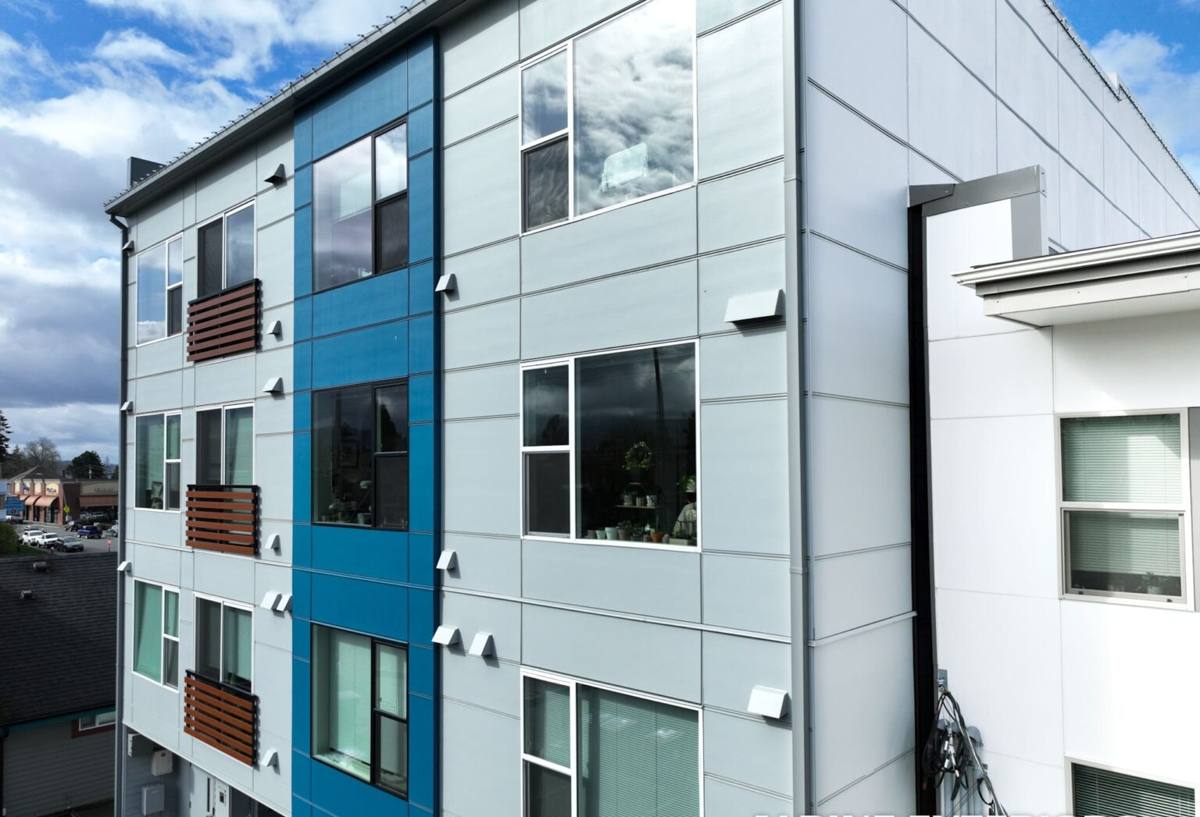
What "Correct" Actually Means for a Fairhaven Installation
Homeowners rarely see what's under the finished siding, but it's what determines whether the job lasts. A correct installation in this climate includes:
- A continuous weather-resistant barrier behind the siding, lapped shingle-style so water sheds outward instead of tracking behind the wall assembly
- Properly flashed windows, doors, and any penetration points — the single most common source of hidden rot we find when we tear off old siding
- A drainage gap or rainscreen behind the cladding so incidental moisture has somewhere to go instead of sitting against the wall sheathing
- Fastener placement and spacing that match the manufacturer's specification, not just "close enough" — this affects both warranty coverage and how the panels perform in wind-driven rain
- Caulking and sealant used only where it belongs — over-caulking siding joints traps moisture rather than keeping it out, which is a mistake we see often on older re-sides in this area
Skipping any one of these doesn't usually show up on install day. It shows up two, five, or ten years later as soft spots, staining, or siding that's failed from the back side while looking fine from the street.
Why We Install Only James Hardie Fiber Cement
We made a standing decision years ago to install one siding system, on every job, in every part of Whatcom County: James Hardie fiber cement. We don't offer LP SmartSide, vinyl, Cemplank, Allura, primed spruce, or raw cedar, and that's a deliberate call, not a gap in what we're able to do.
Fiber cement is non-combustible, doesn't swell or rot the way engineered wood products can when a seam takes on water, and holds paint and factory finish far longer than wood-based siding in a climate that stays damp for months at a time. James Hardie also builds region-specific product engineering into its HardieZone system — homes in wetter, more humid coastal zones like ours are matched to the HZ10 formulation, which is built with the added moisture load of a marine climate in mind, as opposed to the drier-climate HZ5 version sold elsewhere in the country. That's a meaningful distinction: the same-looking board isn't engineered the same way everywhere, and installing the wrong zone product in a marine climate undercuts the whole point of the material.
ColorPlus factory finish is the other half of the equation. It's baked on and warranted separately from the substrate, which matters in an area where UV, salt, and constant moisture cycling are hard on field-applied paint. We're not going to pretend other products are worthless — vinyl is inexpensive and low-maintenance in mild climates, and cedar has real aesthetic appeal for the right buyer. But we've chosen to build our business around a single system we can stand behind fully, install to spec every time, and back with a straightforward, transferable warranty — rather than spreading our crews thin across five product lines with five different installation quirks and failure modes.
How the Main Siding Options Actually Compare Here
| Factor | James Hardie Fiber Cement | Vinyl | Wood / Engineered Wood (LP, cedar) |
|---|---|---|---|
| Salt air resistance | Strong — non-organic, factory-finished | Fair — can chalk and become brittle over time | Weak to fair — finish breaks down faster near the water |
| Moisture/rot risk | Very low — cement-based, won't rot | Low material risk, but seams can trap water behind panels | Higher — organic material vulnerable at seams and cuts |
| Moss/mildew resistance | High — hard, non-porous surface | Moderate | Lower — porous surface holds moisture, feeds growth |
| Fire rating | Non-combustible | Combustible | Combustible |
| Typical repaint interval | None needed with ColorPlus finish | N/A (color molded in, fades over time) | 5–10 years |
Moss, Mildew, and the Long Wet Season
Whatcom County's wet season runs long, and Fairhaven's tree cover and proximity to the water keep humidity elevated even between storms. That combination is exactly what moss and mildew need to establish themselves on a wall surface. Wood-based siding gives them something to grip; a hard, factory-finished fiber cement surface gives them far less to hold onto, and it doesn't feed mildew growth the way an organic substrate can.
That doesn't mean fiber cement siding needs zero attention. A yearly rinse-down, keeping gutters clear so water isn't sheeting down the wall face, and trimming back vegetation that shades a wall and keeps it damp all go a long way toward keeping any siding material performing well here. We'll walk through this with every homeowner at the end of a job — it's a five-minute conversation that saves a lot of grief later.
Our Installation Process
- On-site assessment — we look at existing siding, wall assembly where visible, drainage patterns around the house, and any moisture or rot signs before quoting anything
- Tear-off and inspection — old siding comes off and we inspect sheathing underneath; any soft or damaged sheathing gets addressed before new material goes on, not covered up
- Weather barrier and flashing — a new, continuous water-resistive barrier goes on with correctly lapped and sealed flashing at every window, door, and penetration
- Drainage gap installation — furring or a rainscreen product creates a gap for incidental moisture to drain and air to circulate behind the cladding
- Hardie panel or plank installation — installed to manufacturer fastening spec, with attention to gapping, caulking only where appropriate, and factory-finished ColorPlus panels installed to avoid finish damage
- Final walkthrough — we review the finished job with the homeowner and cover basic care specific to a coastal Whatcom County property
What Drives the Cost of a Fairhaven Siding Job
| Cost Factor | Why It Matters Here |
|---|---|
| Extent of tear-off and sheathing repair | Homes near the water more often have hidden moisture damage behind old siding, which adds labor once uncovered |
| House size and wall complexity | Older Fairhaven homes with varied rooflines, dormers, or additions take more cutting and flashing detail than a simple rectangle |
| Product line and finish selection | Panel vs. lap profile, and standard vs. premium ColorPlus finishes, affect material cost |
| Access and site conditions | Steep lots, mature landscaping, or tight setbacks near the water can slow staging and add time |
| Existing damage scope | Rot repair, sheathing replacement, or trim rebuilding found during tear-off is priced separately from the base install |
We give a written, itemized estimate before any work starts, so there's no guessing about what's driving the number.
Signs Your Fairhaven Home May Be Due for New Siding
- Visible warping, buckling, or gaps between siding boards
- Persistent moss or dark streaking that comes back shortly after cleaning
- Soft spots when you press on the siding, especially near the bottom courses or under windows
- Paint that's peeling, bubbling, or needing repainting more often than every few years
- Rising energy bills that track with drafts or cold spots along exterior walls
- Visible rot or staining on trim boards, corner boards, or under eaves
Why Hiring a Crew That Already Works This Area Matters
A siding crew that works across Whatcom County regularly sees how homes in this specific climate actually fail — where flashing gets missed, which wall orientations take the worst weather, and how moss establishes itself over a wet winter. That's different knowledge than a crew that mostly works drier inland regions and treats every job the same way. It also means we're a known, reachable name if a warranty question comes up five or ten years down the road, not a company that did one job in the area and moved on.
If you're weighing a siding replacement or repair for a home in Fairhaven or anywhere else in Whatcom County, we're glad to come take a look, tell you honestly what we see, and walk you through what a correctly installed James Hardie system would involve for your specific house. There's no cost and no pressure to move forward — just a straight answer from a crew that installs this one system, does it the same correct way every time, and stands behind the result.