 Whatcom County
 Roofing in Fairhaven: A Different Set of Demands
Fairhaven sits close enough to the water that salt-laden air, wind-driven rain, and heavy shade from mature trees all show up on a roof inspection in ways that inland Whatcom County homes just don't experience the same way. If you own an older home in this neighborhood — and a lot of Fairhaven's housing stock has real age on it — your roof has been absorbing decades of marine climate abuse. That changes what "roof replacement" should actually mean here.
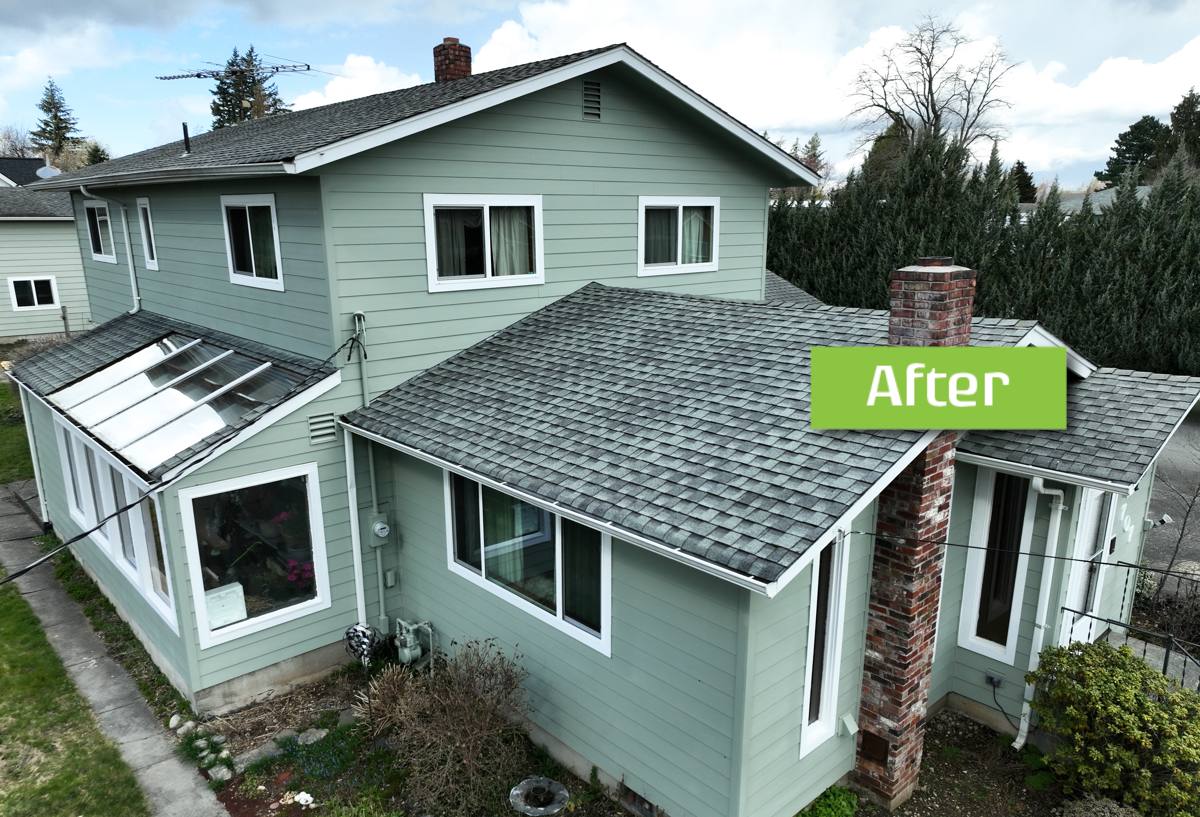
A roof replacement done right in Fairhaven isn't just stripping old shingles and nailing down new ones. It's addressing the specific failure patterns that salt air, moss, and persistent moisture create, and building a roof system that's set up to resist them for the long haul rather than just looking good on installation day.
What Salt Air, Rain, and Moss Actually Do to a Roof
Salt Air and Corrosion
Being close to Bellingham Bay means airborne salt settles on every exterior surface, including your roof. Salt accelerates corrosion on exposed metal fasteners, flashing, and vent stacks. A roofing job that uses standard-grade fasteners or unprotected metal flashing will show rust streaks and early failure points years before an inland home with identical materials would. This is one of the most overlooked details in roof replacements near the water — the fasteners and flashing matter as much as the shingles themselves.
Driving Rain and Wind-Driven Moisture
Whatcom County storms coming off the water don't just fall straight down — they hit roofs at an angle, which pushes water sideways under shingle edges, around vent penetrations, and into any gap in the underlayment. A roof built for calmer conditions can look fine for years and still be letting moisture creep in at the margins. Proper underlayment coverage and correctly lapped flashing are non-negotiable here, not upgrades.
The Long Moss Season
Fairhaven's tree cover and consistent damp conditions mean moss isn't a seasonal nuisance — it's close to a year-round presence on north-facing and shaded roof slopes. Moss holds moisture against the roof surface, works its way under shingle tabs, and lifts shingles as it grows, creating entry points for water. A roof replacement that doesn't account for airflow, shade patterns, and moss-resistant materials is set up to develop the same problem again within a few years.
Signs a Fairhaven Roof Needs Replacement, Not Another Repair
- Granule loss visible in gutters or downspouts, especially after storms
- Moss coverage across more than a small section of a shaded slope
- Curling, cracked, or missing shingles concentrated on the weather-facing side
- Rust staining around vent stacks, chimney flashing, or valleys
- Soft spots or sagging visible from inside the attic
- Daylight visible through the roof deck at any point
- Repeated interior water stains after heavy rain events, even if the roof was previously "patched"
- A roof that's already had two or more repair visits in the last few years for different leaks
If you're seeing two or more of these, a patch is usually a short-term delay rather than a real fix. Once moss and moisture have been working on a roof for years, the deck and underlayment underneath the visible shingles are often in worse shape than the surface suggests.
What a Correct Roof Replacement Involves
Tear-Off and Deck Inspection
Every proper replacement starts with a full tear-off, not an overlay. Overlaying new shingles on old ones traps moisture and hides deck damage — a particularly bad idea in a climate where moisture is already the enemy. Once the old roofing is off, the deck gets inspected board by board for soft spots, rot, or delamination, especially in valleys and around old vent penetrations where leaks tend to originate.
Underlayment Built for Wind-Driven Rain
Given how much sideways-moving rain this area sees, we use synthetic underlayment with full coverage and ice-and-water shield membrane in vulnerable areas — valleys, eaves, around chimneys and skylights — regardless of whether the manufacturer's minimum spec technically requires it. This is one of the areas where cutting corners doesn't show up as a problem until the second or third storm season.
Corrosion-Resistant Flashing and Fasteners
For a home this close to salt air, we spec flashing and fastener materials rated for coastal exposure rather than standard-grade hardware. It costs a little more up front and it's the difference between flashing that lasts the life of the roof versus flashing that starts rusting and leaking within five to eight years.
Ventilation and Moss Resistance
Proper intake and exhaust ventilation keeps the underside of the roof deck drier, which slows moss growth from the inside as much as anything applied to the surface. On the shingle side, moss-resistant products (typically shingles with embedded copper or zinc granules) are worth discussing for shaded, north-facing slopes where moss has been a repeat problem — we'll walk through whether that makes sense for your specific roof rather than upselling it as a blanket solution.
Material Options for Fairhaven Conditions
| Material | Coastal/Moss Performance | Maintenance | Typical Lifespan |
|---|---|---|---|
| Architectural asphalt shingles | Good with moss-resistant granules; needs proper flashing/fasteners | Low — occasional moss treatment on shaded slopes | 25–35 years |
| Standard 3-tab asphalt shingles | More vulnerable to wind lift and granule loss near the water | Moderate — more frequent inspection recommended | 15–20 years |
| Metal roofing (standing seam) | Excellent — sheds moss and handles wind-driven rain well | Low | 40–60 years |
| Cedar shake | Requires diligent moss/moisture management in this climate | High — regular treatment needed | 20–30 years with upkeep |
None of these is a universally "right" answer — it depends on your budget, your roof's exposure and shade, and how much ongoing maintenance you want to take on. We'll talk through the honest trade-offs for your specific house rather than pushing one product line.
A Note on Cedar Shake
Cedar shake has real aesthetic appeal and a long history in this region, but it demands consistent moisture and moss management to hit its full lifespan — something to weigh seriously in a neighborhood with as much shade and dampness as Fairhaven. We're happy to install it for homeowners who want the look and are committed to the upkeep; we just want you going in with clear eyes on what that maintenance schedule looks like.
Our Process for Fairhaven Roof Replacements
- On-site assessment — we inspect the current roof, attic ventilation, and any problem areas (moss buildup, past leak spots, flashing condition) before quoting anything
- Written estimate — a clear breakdown of materials, scope, and cost factors, not a vague lump sum
- Material selection — we walk through options based on your roof's specific exposure, not a one-size-fits-all recommendation
- Tear-off and deck repair — full removal of old roofing, with any damaged decking replaced before new materials go down
- Underlayment and flashing installation — full coverage underlayment and corrosion-resistant flashing at all vulnerable points
- Shingle or roofing material installation — installed to manufacturer spec, adjusted for local wind and rain exposure
- Final walkthrough — we review the completed work with you and answer any questions before calling the job done
Cost Factors Specific to This Area
Every roof is different, but a few factors tend to move the price up or down more in Fairhaven specifically than they would elsewhere in Whatcom County:
- Roof pitch and access — older Fairhaven homes sometimes have steeper or more complex rooflines that take longer to work safely
- Deck condition — homes with a history of moss and moisture issues more often need deck repair, which isn't visible until tear-off
- Material choice — standard asphalt versus metal versus cedar shake carries a wide cost range, as shown above
- Flashing and fastener upgrades — coastal-grade hardware costs more than standard-grade but pays off in fewer callbacks and longer flashing life
- Tree cover and cleanup — heavy shade often means more debris removal and trimming coordination during the job
We give straightforward, written estimates so you know exactly what you're paying for and why — no surprise change orders for things we could have identified up front.
Why Local Experience in Fairhaven Matters
A crew that's worked roofs across Whatcom County knows the difference between a generic roofing job and one built for this specific stretch of coastline. We know which slopes in a neighborhood like Fairhaven tend to hold moss longest, which flashing details fail first under driving rain, and which fastener grades actually hold up against salt air over time — because we've seen the failures on other roofs in the area, not just read about them in a spec sheet. That local pattern recognition is what separates a roof that needs attention again in five years from one that goes the full 25-30.
We also understand the practical side of working in an established neighborhood — protecting landscaping, coordinating around tree cover, and keeping a job site clean and considerate of neighbors during what's inevitably a noisy, multi-day process.
Get a Straight Answer on Your Roof
If your Fairhaven home's roof is showing moss, granule loss, rust at the flashing, or any of the warning signs above, it's worth getting an honest, no-pressure look before deciding between repair and replacement. We'll give you a clear assessment and a written estimate — no hard sell, just straight information about what your roof actually needs. Use the form below to request a free estimate.