 Whatcom County
 Building New in Fairhaven Means Building for the Water
Fairhaven sits close enough to Bellingham Bay that salt-laden air, wind-driven rain, and heavy shade from mature trees are just part of daily life. If you're framing a new home or an addition here, the windows you choose and how they're installed will matter more than almost any other single decision in the building envelope. Get it right during new construction and you avoid a decade of callbacks. Get it wrong, and the first sign of trouble is usually staining or soft trim showing up two or three winters later, long after the builder has moved on.
New-construction windows are not the same product or the same job as a replacement window dropped into an existing opening. They're installed with a nailing flange directly into the rough framing, which means the flashing details, the house wrap integration, and the sequencing with siding all have to happen in the right order, by people who understand Whatcom County's weather patterns specifically — not just building code minimums written for a drier climate.
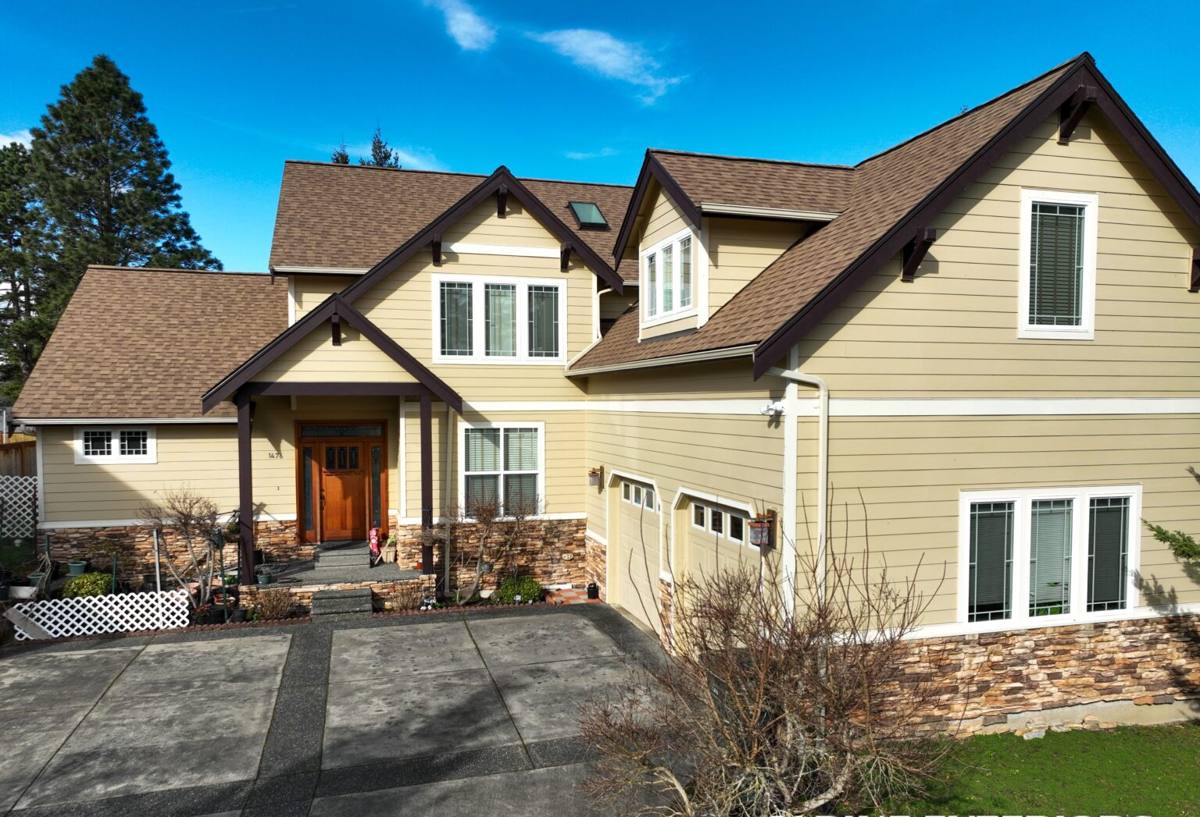
Why New-Construction Windows Are a Different Job Than Replacements
A replacement window is inserted into an existing frame that's already flashed and weathered in. A new-construction window is installed into a bare rough opening before siding, house wrap, and trim go on. That earlier stage is actually the better opportunity to get moisture control right — but only if it's done in the correct order.
What sets it apart
- The window's nailing flange gets integrated with the house wrap using a specific shingle-lap sequence, not just caulk and hope.
- Sill pans and sloped flashing go in before the window ever touches the opening.
- Head flashing has to overlap the house wrap above it, not just butt against it.
- Because it's happening during the build, there's a real chance to inspect the rough opening for square, level, and proper sheathing before anything gets covered up.
Skip any one of these steps and the window itself can be a premium product and still leak, because the failure point usually isn't the window — it's the transition between the window and the wall around it.
The Three Things Fairhaven's Climate Throws at a Window
Salt air
Proximity to the bay means airborne salt settles on exterior surfaces, including window hardware, cladding fasteners, and frame components. Over years, salt exposure accelerates corrosion on lower-grade hardware and can degrade certain finishes faster than the same product would wear inland. It's a reason to be deliberate about hardware and fastener specification on homes within a mile or two of the water, not a reason to panic — but it is a real, measurable factor.
Driving rain
Whatcom County doesn't just get rain — it gets wind-driven rain that hits window walls at an angle, which is a much tougher test than rain falling straight down. That's why sill pan flashing and correct head flashing lap matter more here than they might in a calmer climate. A window with a good water-penetration rating on paper can still leak if the flashing around it wasn't sequenced correctly.
The long moss season
Shade, moisture, and mild temperatures for much of the year mean moss and algae get a long runway to establish on north-facing trim, sills, and anywhere water sits instead of shedding. Moss holds moisture against wood trim and caulk joints far longer than bare wood would dry on its own, which is part of why sill design and drainage details matter as much as the window unit itself.
What a Correct New-Construction Installation Actually Involves
There's a sequence to this, and skipping steps is the single most common cause of window-related water damage in new builds we've looked at across the county. The order matters as much as the materials.
- Rough opening is checked for square, level, and correct dimensions before the window arrives on site.
- A sloped sill pan flashing is installed at the bottom of the opening so any water that gets past the window drains back outward instead of pooling.
- House wrap is cut and folded into the opening ahead of the window, not just taped over it afterward.
- The window is set, shimmed level and plumb, and fastened through the nailing flange per the manufacturer's schedule.
- Flashing tape goes over the side flanges first, then the head flange, in a shingle-lap order so water always sheds downward and outward.
- House wrap above the window laps over the head flashing, completing the drainage path.
- Interior air sealing (foam or sealant, not just insulation stuffed in the gap) closes the opening from the inside to control condensation and drafts.
- Exterior trim and siding are installed with a gap for caulking, not tight against the frame, to allow for movement and drainage.
Every one of those steps is inspectable before the wall gets closed up — which is exactly why new construction is the best chance to get it right the first time.
Choosing Window Products for a Site Like This
There's no single "best" window brand for Fairhaven — there's a best fit for your budget, your home's design, and how close you are to the water. What we focus on with clients is frame material, glazing package, and hardware quality, in that order.
Frame material trade-offs
| Frame Type | Coastal Durability | Maintenance | Typical Cost Position |
|---|---|---|---|
| Vinyl | Good — won't corrode or rot; UV-stable finishes hold up well | Low — occasional cleaning | Most affordable |
| Fiberglass | Very good — dimensionally stable in temperature and moisture swings | Low | Mid to upper-mid |
| Aluminum | Fair — needs a marine-grade or coastal-rated finish to resist corrosion near the bay | Moderate — finish needs monitoring over time | Mid |
| Wood or wood-clad | Requires diligent maintenance in wet, shaded, moss-prone spots | High — periodic refinishing and caulk inspection | Highest |
We don't push wood-frame windows in heavily shaded, moisture-prone parts of Fairhaven as a first recommendation. It's not that wood windows are bad products — it's that the maintenance burden in a long, damp, low-sun-exposure season is real, and we'd rather set that expectation honestly upfront than have a homeowner surprised by refinishing costs five years in. If a design calls for a wood look, wood-clad options with a durable exterior cladding layer are a reasonable middle ground.
Glazing and hardware
Double-pane, low-E glazing is the practical standard for new construction here — it manages heat loss through our long grey stretches without the added cost of triple-pane, which mostly pays off in colder inland climates. For hardware, we specify corrosion-resistant finishes on any home within a couple miles of the water, since standard-grade hardware can show pitting or discoloration sooner in salt air.
How Our Process Works on a New-Construction Job
We coordinate directly with your builder or general contractor rather than working in isolation, because window installation timing has to sync with framing, house wrap, and siding schedules.
Step by step
- Plan review: we look at window schedules and rough opening sizes before framing is finalized, so nothing gets built out of tolerance.
- Pre-installation inspection: we check every rough opening for square and correct sheathing before a single window goes in.
- Flashing and sill pan work: done to a consistent sequence on every opening, not left to individual crew judgment.
- Window setting: level, plumb, and fastened to spec, with fastener choice adjusted for proximity to salt air.
- Quality walk: we photograph flashing details before they're covered by siding, so there's a record of what's behind the wall.
- Final trim and seal: exterior trim, caulking, and touch-up happen after siding is on and the assembly can be checked as a whole system.
That documentation step matters more than people expect. If a question ever comes up later about how a window was flashed, having photos from during construction saves everyone guesswork.
Why a Crew That Already Works Fairhaven Matters
General building code covers the basics everywhere. It doesn't tell you which streets get the worst wind-driven rain off the bay, which lots hold shade and moss longer into the summer, or which fastener grade actually holds up two blocks from the water versus two miles inland. That kind of judgment comes from doing the work here repeatedly, not from a spec sheet.
Crews unfamiliar with the area sometimes treat Whatcom County like any other Pacific Northwest job site and use standard hardware and standard flashing details that would be fine in a drier or less coastal-influenced location. On a Fairhaven lot, that's often where the shortcuts show up first — in corroding hardware, moss creeping into trim joints, or a sill that was never sloped to shed water.
After Move-In: Keeping New Windows Performing
A correctly installed new-construction window needs very little from you, but a few habits extend its life meaningfully in this climate.
- Rinse salt residue off frames and glass a couple times a year if you're within a mile or two of the bay.
- Clear moss and debris from sills and tracks before it has a chance to hold moisture against the frame.
- Check exterior caulk lines annually, especially on north- and west-facing walls that see the most driving rain.
- Keep gutters and downspouts clear so runoff isn't sheeting down over window heads.
- Operate hardware periodically, even on windows you rarely open, so moving parts don't seize from disuse plus moisture.
None of this is heavy maintenance — it's the kind of five-minute check that keeps a well-installed window performing for decades instead of masking a small problem until it becomes a bigger one.
Get a Straight Answer for Your Project
If you're framing a new home or addition in Fairhaven, we're glad to walk the plans or the site with you and talk through window selection and installation sequencing before framing locks anything in. There's no pressure and no obligation — just a straightforward look at what your specific lot and design need. Use the form below to request a free estimate.