 Whatcom County
 Siding Installation Built for Edgemoor's Waterfront Climate
Edgemoor sits close to the water on wooded, view-oriented lots, and that setting comes with a specific set of demands on exterior siding. Homes here deal with salt-laden air off the bay, wind-driven rain that hits walls at an angle instead of falling straight down, and a long stretch of the year — roughly fall through spring — where shaded, tree-covered exteriors barely dry out between storms. That combination of salt, moisture, and shade is exactly the environment where the wrong siding choice, or a siding job installed without local judgment, shows its weaknesses early.
This page focuses on one thing: what it actually takes to install siding correctly on an Edgemoor home, given this specific climate, and why the installation itself matters as much as the material you choose.
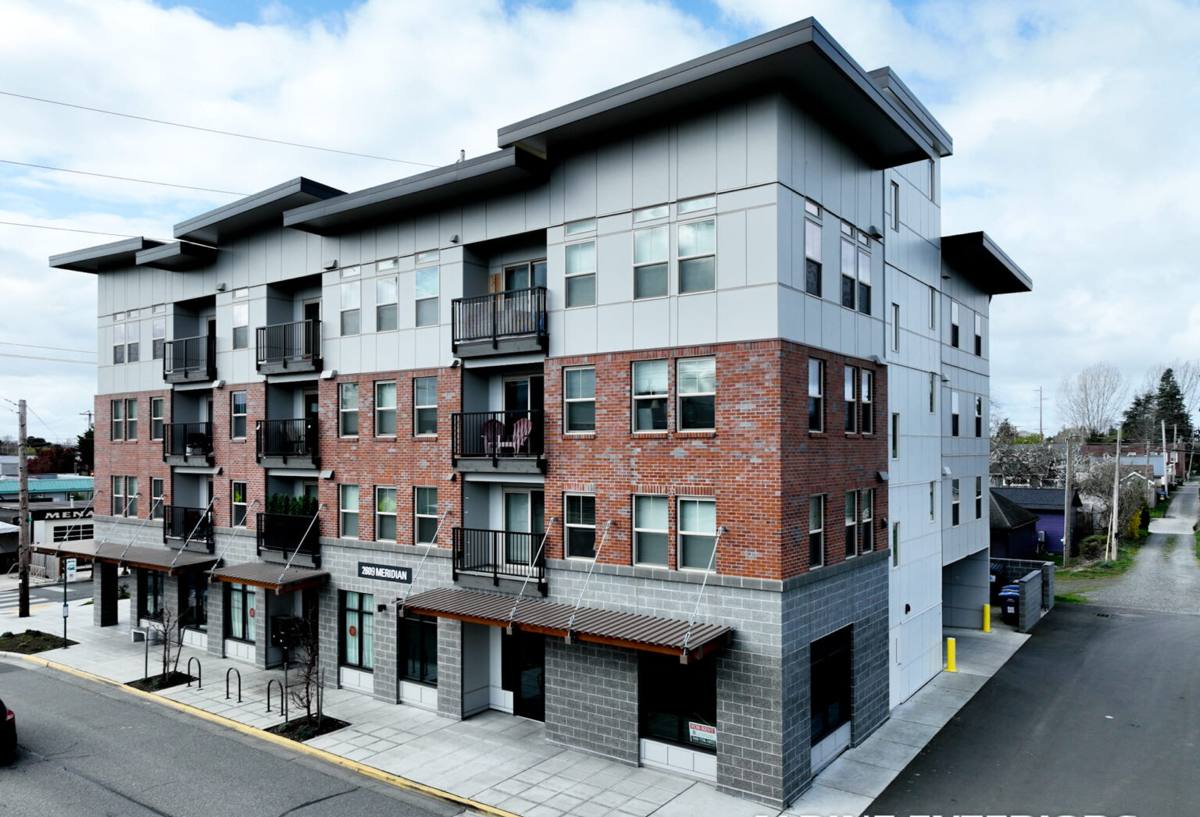
What Salt Air, Driving Rain, and Moss Season Do to Siding
Salt Air and Corrosion
Proximity to saltwater accelerates corrosion on anything metal that's part of your siding system — fasteners, flashing, trim caps, and hardware. Over years, corroded fasteners can loosen or stain the face of the siding around them, and failing flashing is one of the more common ways water gets behind a wall system that otherwise looks fine from the street.
Wind-Driven Rain
Whatcom County storms coming off the water don't just fall — they push. Wind-driven rain forces water sideways and upward into laps, seams, and penetrations that would stay dry in a calmer climate. Siding systems and installation details that work fine on a sheltered inland lot can underperform on a more exposed Edgemoor elevation facing the weather.
Moss, Shade, and Prolonged Moisture
Mature tree cover keeps a lot of Edgemoor homes shaded, which is part of the neighborhood's character but also means siding, trim, and roof lines stay damp longer after every rain. That extended moisture window is what moss and algae need to establish, and it's harder on any siding material that isn't dimensionally stable or that can absorb and hold water at its edges.
What a Correct Siding Installation Actually Involves
Siding is a system, not just a face material nailed to the wall. On an Edgemoor home, getting the details right underneath the visible surface is what determines whether the job holds up through twenty or more Pacific Northwest winters.
Water-Resistive Barrier and Flashing
A correctly lapped weather-resistive barrier, properly integrated window and door flashing, and flashing at every horizontal trim break are what actually keep wind-driven rain out of the wall assembly. The siding itself is the second line of defense, not the first — if the barrier and flashing underneath are done wrong, no amount of good siding material fixes it.
Fastening and Clearances
Fastener type, spacing, and penetration depth matter more in a salt-air environment, where the wrong fastener corrodes faster and can eventually work loose or stain the siding face. Proper ground clearance and clearance from roof lines, decks, and grade also keep siding out of the splash zone where it stays wettest longest.
Joints, Caulking, and Butt Seams
Every seam is a potential entry point for water. Correct butt-joint treatment, factory-mitered corners where appropriate, and the right sealant used only where it's actually needed (not as a substitute for proper flashing) all affect how the wall performs during a long, wet Whatcom County winter.
Why We Install Only James Hardie Fiber Cement
We install James Hardie fiber cement siding exclusively. It's a deliberate standard, not a default, and it's based on how different siding materials actually perform in a coastal, wet, shaded climate like Edgemoor's over the long run.
Fiber cement is non-combustible, dimensionally stable in wet-dry cycling, and resists the swelling, cupping, and rot pathways that wood-based and some engineered wood siding products remain vulnerable to when they take on moisture at cut edges or joints. James Hardie's HZ5 product line is specifically engineered for climates with high moisture exposure, which fits this region. The factory-applied ColorPlus finish is baked on under controlled conditions, which holds color and resists the fading and touch-up patchiness that field-painted siding can develop over time — a real benefit on a shaded lot where surfaces stay damp and grow algae or moss more readily. James Hardie also backs its siding with a strong transferable limited warranty, which matters to future owners if the home ever sells.
None of that replaces correct installation. A premium material installed with the wrong flashing details or poor fastening will still underperform. The reason we standardize on one product is so our crews build deep, repeatable expertise installing it correctly, on this specific coastline, rather than splitting attention across several product lines with different installation requirements.
Our Installation Process
- On-site assessment. We look at your current siding condition, wall sheathing, existing flashing, sun/shade exposure, and how exposed each elevation is to wind-driven weather off the water.
- Tear-off and substrate check. Old siding comes off so we can inspect sheathing and framing underneath for moisture damage before anything new goes up — covering over a hidden problem is how small issues turn into expensive ones.
- Water-resistive barrier and flashing installation. This is the step that determines long-term performance more than any other, and it's done to manufacturer and code specification, not shortcut.
- Siding installation. James Hardie panels or lap siding are installed with correct fastener spacing, clearances, and joint treatment for this climate.
- Trim, caulking, and detail work. Corners, window and door surrounds, and penetrations are finished and sealed correctly.
- Final walkthrough. We review the completed job with you before considering it done.
Cost Factors for an Edgemoor Siding Project
Every home is different, and we don't quote sight-unseen — but these are the main variables that move the price of a siding installation up or down on a typical Edgemoor property.
| Factor | Why It Matters |
|---|---|
| Home size and wall complexity | More square footage, corners, and roof lines means more material and labor |
| Condition of existing sheathing | Hidden moisture damage found during tear-off requires repair before new siding goes on |
| Siding profile chosen | Lap siding, panel siding, and shingle-style products differ in material and install time |
| Access and site conditions | Wooded, sloped, or view-lot properties can affect staging and equipment access |
| Trim and detail scope | Window/door trim replacement and corner detailing add labor beyond the field siding itself |
| Number of stories and elevations exposed to weather | Higher exposure sides often need extra flashing attention and staging |
Signs Your Edgemoor Home May Need New Siding Soon
- Persistent moss or algae growth that returns shortly after cleaning
- Visible warping, cupping, or soft spots, especially on wood-based or older engineered siding
- Paint that's peeling or blistering repeatedly in the same areas
- Staining or streaking around fasteners or trim, often a sign of corrosion or water tracking
- Gaps opening up at seams, corners, or trim boards
- Rising energy bills that may point to a wall assembly no longer sealing properly
- Visible rot or a soft, spongy feel when pressed near the base of walls
Why Hiring a Crew That Already Works Edgemoor Matters
A siding crew unfamiliar with this stretch of Whatcom County's coastline can install a technically fine product with generic details and still leave a home under-protected against salt air and driving rain. Crews who already work this area know which elevations typically take the worst weather, how much shade a given lot holds moisture, and where flashing and clearance details need extra attention rather than the bare code minimum. That local pattern recognition is built from doing the work here repeatedly, not from a manufacturer's install manual alone.
It also matters for accountability. A contractor who works Edgemoor regularly has a reputation in the neighborhood to protect and is easier to reach if a warranty question comes up years down the road.
After Installation: What Keeps Siding Performing
Correctly installed James Hardie siding is low-maintenance, but "low" isn't "none." A periodic rinse to keep organic growth from establishing on shaded elevations, prompt attention to any landscaping that's grown up against the wall line, and a visual check of caulking and trim every year or two go a long way toward getting the full service life out of the installation.
If your Edgemoor home's siding is showing its age, or you're planning a replacement and want it done right the first time in a climate that doesn't forgive shortcuts, we're happy to take a look and walk you through what we see. Reach out for a free, no-pressure estimate — there's a form below to get started.