 Whatcom County
 Deck Repair Built for Bellingham's Climate
A deck in Bellingham lives a harder life than a deck almost anywhere inland. You've got salt-laden air rolling in off the water, driving rain that comes in sideways for months at a stretch, and a moss and algae season that can run from October through April. None of that is exotic or rare — it's just what Whatcom County weather does every year — but it means a deck built or repaired without that reality in mind will fail faster than it should.
We do deck repair work in Bellingham and the surrounding Whatcom County area regularly, which means we're not guessing at what local decks need. We're looking at the same moisture patterns, the same wood movement, and the same maintenance gaps homeowners run into every winter. This page walks through what actually goes wrong with decks here, what a correct repair looks like, and how we approach the work.
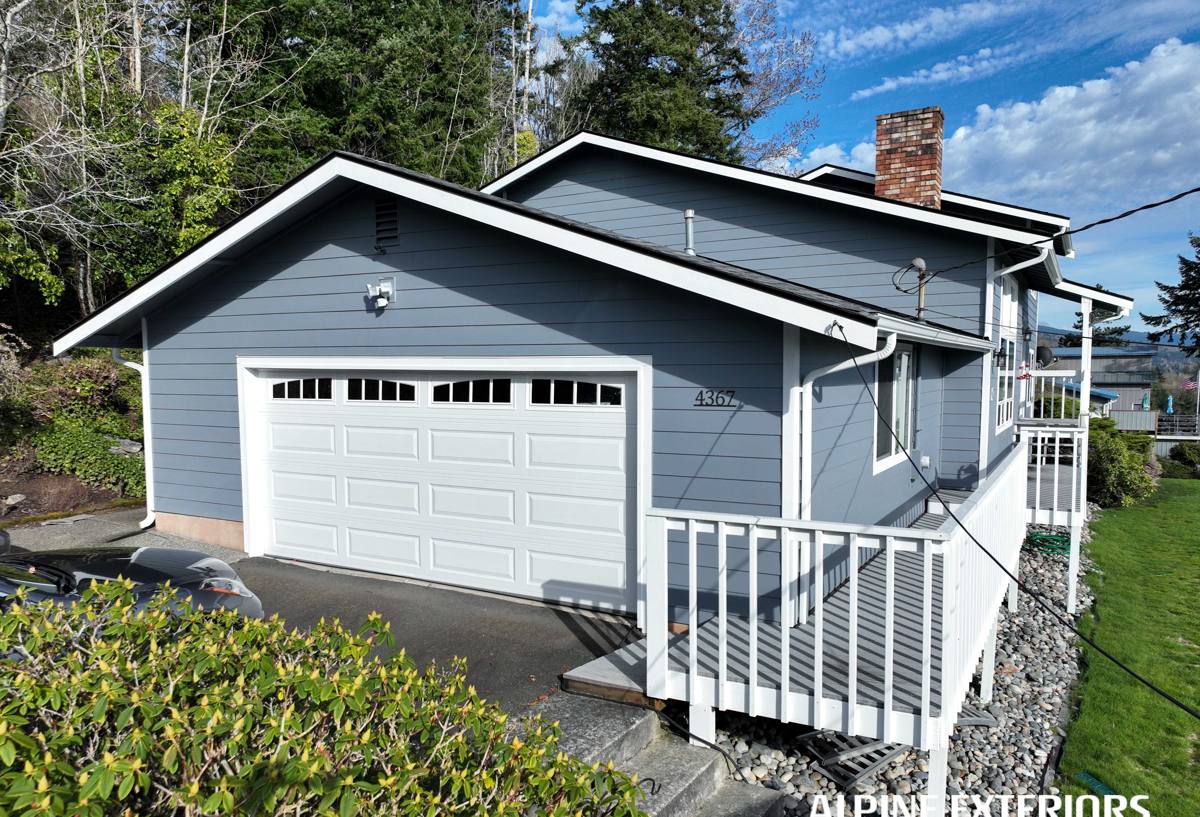
Why Decks Struggle in This Climate
Moisture That Never Fully Leaves
In a lot of the country, decks get a few wet months and then dry out hard for the summer. Bellingham doesn't really give a deck that dry-out window in the same way. Wood, especially at ledger boards, joists, and anywhere two pieces of lumber meet, stays damp longer than it should. That extended dampness is what drives rot — not a single storm, but months of wood sitting at a moisture content that fungi and decay organisms are happy to work with.
Salt Air and Metal Fasteners
Bellingham's proximity to the water means salt air reaches structures further inland than people expect. Salt air accelerates corrosion on fasteners, brackets, and any exposed metal hardware. Once a fastener corrodes, it loses holding strength long before it looks obviously "bad" from a quick glance, which is part of why deck hardware needs an actual hands-on inspection rather than a visual walk-by.
Moss, Algae, and Trapped Debris
A long moss season does two things to a deck: it makes the surface slick and dangerous, and it holds moisture directly against the board surface. Moss and organic buildup between boards or in low spots acts like a wet sponge sitting on the wood, which is a direct contributor to surface rot even on boards that are otherwise structurally sound.
Common Deck Problems We Find in This Area
- Soft or spongy decking boards — usually surface or through rot from trapped moisture, often worse near planters, furniture footprints, or areas that don't get sun exposure
- Corroded or failing fasteners — screws and nails that have lost grip strength due to long-term moisture and salt exposure
- Ledger board separation or rot — the ledger board attaches the deck to the house and is one of the most critical, and most commonly under-flashed, connection points
- Railing post wobble — often traced back to a rotted post base or a connection that was never properly flashed
- Stair stringer wear — high-traffic stairs take more moisture cycling and foot pressure than the rest of the deck
- Moss and algae buildup — a maintenance issue that, left alone, becomes a structural one
- Undersized or missing joist hangers — sometimes original construction shortcuts that only show up once something starts to sag
What a Correct Deck Repair Actually Involves
Start With an Honest Inspection
Before any repair, the deck needs a real inspection — not just the decking surface, but underneath it. That means checking the ledger board connection, the condition of joists and beams, post bases, and the hardware holding it all together. A deck can look fine on top and still have a compromised structural connection underneath, which is exactly the kind of thing a homeowner shouldn't have to discover the hard way.
Fix the Cause, Not Just the Symptom
If a board is soft because water is pooling there, replacing the board without addressing drainage or flashing just buys a few more years before the same spot fails again. Correct repair means identifying why moisture is getting trapped in that specific area and addressing that, in addition to replacing damaged material.
Use Fasteners and Hardware Rated for the Exposure
Given the salt air and sustained moisture in this area, hardware needs to be corrosion-resistant and rated for exterior, ground-contact-adjacent use where applicable. Mixing incompatible metals (for example, certain fasteners with certain treated lumber types) can actually accelerate corrosion, so matching hardware to the lumber and the environment matters more here than in a drier climate.
Flashing at the Ledger Board
Because the ledger connection is where the deck meets the house, proper flashing there is one of the highest-value things a repair can get right. Water that gets behind an improperly flashed ledger doesn't just rot the deck — it can work its way into the house's wall structure, which turns a deck repair into a much bigger and more expensive problem.
Deck Repair vs. Full Replacement — How We Think Through It
| Factor | Repair Usually Makes Sense | Replacement Worth Considering |
|---|---|---|
| Structural framing (joists, beams, posts) | Sound, isolated soft spots only | Widespread rot or undersized original framing |
| Ledger board condition | Solid, properly flashed | Rotted, poorly flashed, or improperly attached |
| Age of decking material | Under 15-20 years, isolated wear | Original material at or past typical service life |
| Extent of damage | Concentrated in a few boards or one area | Spread across multiple structural components |
| Overall deck footprint or layout | Layout still works for how the home is used | Homeowner wants a different size, shape, or use of the space |
These are general guidelines, not hard rules — every deck is different, and the only way to know which category yours falls into is a hands-on look at the actual structure.
Our Process for Deck Repair Work
- Inspection and assessment. We look at the full structure — decking, framing, ledger connection, posts, railings, and hardware — not just the visible surface.
- Honest scope discussion. We tell you what's actually needed versus what's optional, including where a repair is reasonable and where it isn't the better long-term call.
- Material and hardware selection. We choose lumber, fasteners, and flashing suited to Whatcom County's moisture and salt exposure, not just whatever is cheapest or fastest to source.
- The repair itself. This includes removing and replacing damaged material, correcting any flashing or drainage issues found during inspection, and re-securing connections with appropriate hardware.
- Final check and cleanup. We walk the deck again once work is done to confirm everything is solid, and we clean up the work area before we go.
Maintenance That Extends the Life of a Repair
A good repair is only half the equation — how the deck is maintained afterward matters just as much in a climate like this one. A few habits go a long way toward keeping a repaired deck in good shape:
- Clear moss, leaves, and debris from between boards regularly, especially heading into and through the wet season
- Keep gutters and downspouts functioning so runoff isn't dumping directly onto or under the deck
- Check railing posts and stair connections periodically for movement or looseness
- Reapply stain or sealant on the schedule appropriate to the product used — this varies by finish type
- Address soft spots or discoloration early rather than waiting for a board to fail underfoot
Why Hiring a Crew That Already Works Bellingham Matters
Deck repair isn't unique to Bellingham — the physics of wood, water, and hardware are the same everywhere. What's different here is the sustained combination of factors: salt air, near-constant driving rain for a good chunk of the year, and a moss season long enough to do real damage if ignored. A crew that works this area regularly has already seen how those factors show up in real decks, which means less guesswork and fewer surprises once a project is underway.
There's also a practical side to hiring local: a crew based in and around Whatcom County isn't traveling hours to get to your project, which matters for scheduling, follow-up visits, and being available if a question comes up after the work is done.
What to Ask Before Hiring Anyone for Deck Repair
Whether you go with us or someone else, a few questions help separate a careful contractor from one just looking to patch and move on:
- Will you inspect the framing and ledger connection, or just the visible decking surface?
- What hardware and fasteners do you use, and are they rated for this exposure?
- How do you handle flashing at the ledger board?
- Do you carry liability insurance, and can you provide proof of it?
- Will I get a written scope of what's being repaired and why?
Get an Honest Look at Your Deck
If your deck has soft spots, wobbly railings, or you're just not sure how it's holding up after another wet Whatcom County season, we're happy to take a look. We'll give you a straight assessment of what's going on and what it would take to fix it — no pressure, no upsell, just an honest read on your deck. Reach out using the form below to schedule a free estimate.