 Whatcom County
 Storm Damage Roofing in Columbia: A Different Kind of Wear
Columbia sits close enough to Bellingham Bay that the weather your roof deals with isn't quite the same as a roof twenty miles inland. Homes here take on salt-laden air, wind-driven rain that comes in sideways off the water, and a moss season that runs longer than most homeowners realize. When a windstorm rolls through, or a heavy winter system dumps rain for three days straight, the damage it leaves behind on a Columbia roof often isn't obvious from the ground. That's the problem we see most: a roof that looks fine from the driveway but has already let water past the shingles and into the decking underneath.
This page is about one thing — storm damage roof repair for homes in Columbia, done by a crew that already understands what this specific stretch of Whatcom County does to a roof over time. We're not going to give you a generic checklist that could apply to any climate. We're going to walk through what actually happens to roofs here, how we assess and fix storm damage, and what to expect if you call us after a bad blow.
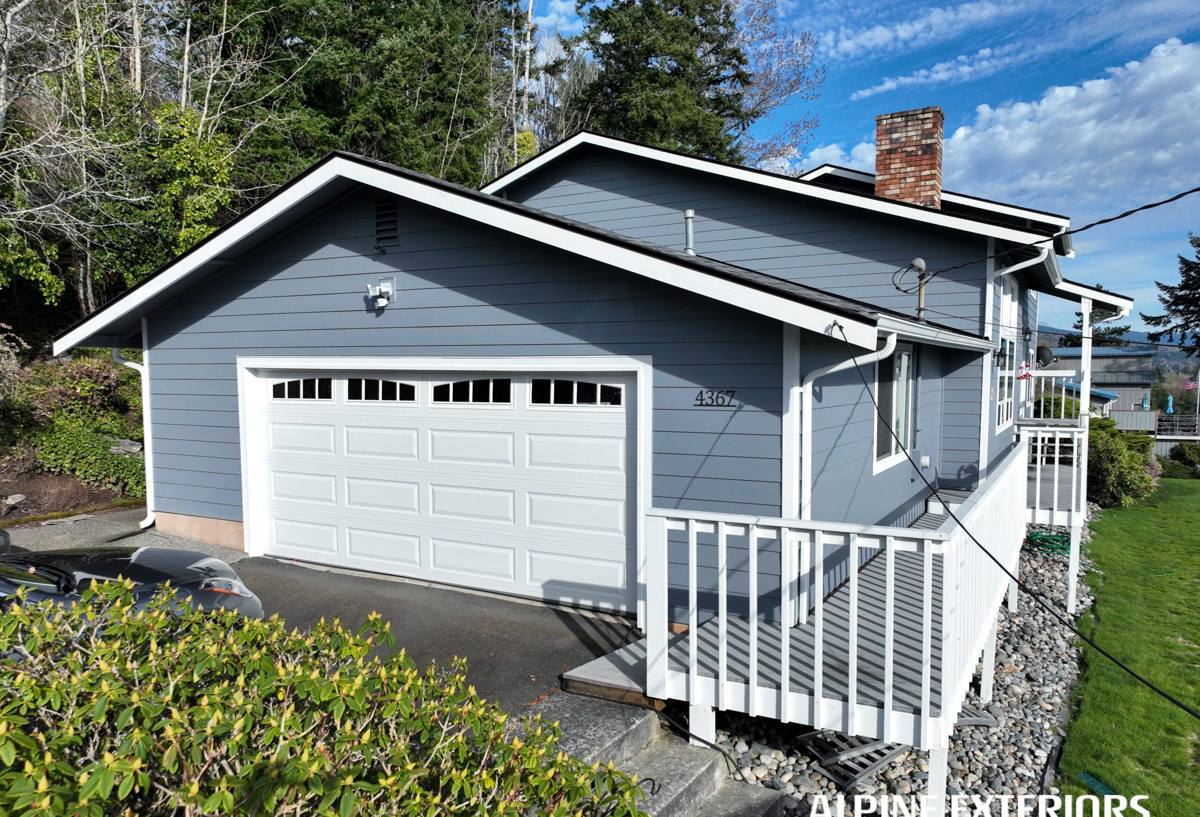
What Whatcom County Storms Actually Do to a Roof
Wind-Driven Rain and Uplift
Most storm damage in this area isn't a dramatic event like a tree through the roof — it's cumulative. Wind off the bay pushes rain sideways under shingle tabs and around flashing that was installed correctly for straight-down rain but wasn't detailed for wind-driven moisture. Over several storm seasons, that sideways rain finds its way into fastener holes, under ridge caps, and along valleys where two roof planes meet. High wind gusts can also lift shingle edges just enough to break the sealant strip without tearing the shingle off entirely, which means the roof looks intact but is no longer sealed against the next storm.
Moss, Trapped Moisture, and Slow Rot
Whatcom County's moss season is long, and moss doesn't just sit on top of a roof looking bad — it holds moisture against the shingle surface and under tabs, which accelerates granule loss and keeps the decking underneath damper than it should be for longer stretches of the year. A roof that's already carrying a moss load going into a storm is more vulnerable to wind and rain damage than a clean one, because the moss has already been working against the shingle's ability to shed water.
Salt Air and Metal Fatigue
Being close to the water means salt air reaches flashing, fasteners, gutters, and any exposed metal on the roof. Salt accelerates corrosion on lower-grade fasteners and flashing, and corroded metal is exactly where storm damage tends to start — a rusted nail head that's lost its grip, a flashing seam that's corroded thin and finally splits under wind pressure. This is one of the biggest differences between a Columbia roof and a roof further inland: the metal components age faster here, and that has to factor into both repair and material choices.
Signs a Columbia Homeowner Should Watch For After a Storm
- Granules collecting in gutters or at downspout outlets after a windy rain
- Shingle tabs that look lifted, curled, or out of alignment with the row around them
- Water stains on interior ceilings, especially near exterior walls or around chimneys and skylights
- Visible moss buildup at the north-facing or shaded sections of the roof
- Flashing around vents, chimneys, or valleys that looks bent, separated, or rusted
- A musty smell in the attic, which often shows up before any visible ceiling stain does
- Debris — branches, needles, moss clumps — packed into valleys where two roof slopes meet
None of these on their own always mean a major problem, but after any significant wind event, they're worth a look. Catching wind-lifted shingles or a cracked flashing seam early is a repair. Ignoring it through another two or three storms is usually a much bigger job involving decking replacement.
What a Correct Storm Damage Repair Involves
A lot of storm repair work we see done elsewhere is surface-level — replace the shingles that are obviously torn and call it done. That approach misses the actual cause of the damage in a lot of cases. Here's how we approach it instead.
1. Full Roof Assessment, Not Just the Damaged Spot
We look at the whole roof, not just the area where damage is visible from the ground. Wind damage in particular tends to show up on ridge lines and roof edges first, and those aren't always where a homeowner spots a leak. We also check the decking underneath any compromised shingles — if water has been getting in for a while, the plywood or OSB sheathing may be soft or delaminating, and shingles alone won't fix that.
2. Flashing and Fastener Inspection
Given how much salt air and wind-driven rain affects flashing and fasteners in this area, we check every flashing point — chimneys, skylights, vent stacks, valleys, and roof-to-wall transitions — as part of any storm repair, even if the initial complaint was a single leak somewhere else. A single corroded flashing seam is often the actual entry point, even when the visible shingle damage is a few feet away.
3. Matching Materials and Proper Sealing
Repairs need to match the existing roof's shingle type, color, and exposure as closely as possible, and every replaced shingle needs to be properly sealed and nailed to current wind-resistance standards — not just tucked back into place. We also reseal or replace any shingle tabs adjacent to the repair that lost their seal strip during the storm, even if they didn't tear loose.
4. Moss and Debris Removal Before Repair
If moss or debris is present, we clear it before making repairs, not after. Repairing over a moss-covered or debris-packed section traps moisture right back under the new work, which undercuts the whole point of the repair.
Our Process for Columbia Storm Repair Calls
- Inspection. We walk the roof (or use a safe vantage point when conditions don't allow foot traffic) and document what we find, including areas beyond the obvious damage.
- Honest scope. We tell you what's storm damage versus what's pre-existing wear, and what's urgent versus what can be scheduled. We're not going to sell you a full roof replacement for a repair-sized problem, or undersell a job that genuinely needs more than a patch.
- Written estimate. You get a clear scope and price range before any work starts — no verbal-only quotes.
- Repair. We complete the work with matched materials, proper flashing detail, and attention to the fastening and sealing standards this climate demands.
- Follow-up check. For larger storm repairs, we recommend a follow-up look after the next significant rain event to confirm the fix is holding.
Repair vs. Replacement: How We Help You Decide
Not every storm-damaged roof needs to be replaced, and not every roof can be reasonably patched. The honest answer depends on the roof's age, how much of it is affected, and what condition the decking is in underneath.
| Factor | Leans Toward Repair | Leans Toward Replacement |
|---|---|---|
| Roof age | Under 10-12 years | Approaching or past expected lifespan |
| Extent of damage | Isolated to one section or a handful of shingles | Spread across multiple roof planes |
| Decking condition | Solid, dry sheathing found on inspection | Soft, delaminated, or water-stained decking |
| Storm frequency | First significant damage event | Repeated storm damage over recent years |
| Moss/granule condition | Minor moss, granules still intact | Heavy moss history, bald or thinning shingle surfaces |
We'll walk you through where your roof falls on this and give you our honest read — including telling you when a repair is genuinely the right call, which is more often than a lot of homeowners expect.
Cost Factors for Storm Damage Repair
We won't quote a number without seeing the roof, but the main factors that move the price on a Columbia storm repair are consistent enough to explain up front:
- Roof pitch and access. Steeper roofs and homes with limited ladder or lift access take longer and require more safety setup.
- Decking condition. If sheathing needs to be replaced under the damaged shingles, that adds material and labor beyond the shingle work itself.
- Flashing scope. Repairs that involve chimney, skylight, or valley flashing take more time than a straightforward shingle swap.
- Material match. Older or discontinued shingle lines can be harder to match, which sometimes means a slightly larger repair area to keep the roof looking uniform.
- Insurance involvement. If you're filing a claim, documentation and coordination with the adjuster add a step to the timeline but shouldn't add cost to you beyond your deductible.
Working With Insurance on a Storm Claim
Many storm-related roof repairs in Whatcom County get covered by homeowner's insurance, but the process only goes smoothly when the damage is documented properly and tied to a specific weather event. We provide detailed photos, a written assessment, and a scope of work that adjusters can work from. We're not a public adjuster and we won't promise a claim outcome, but we can make sure the documentation reflects what actually happened to your roof rather than a vague description that gets a claim questioned or delayed.
Why a Crew That Already Works Columbia Matters
Roofing crews that mainly work drier, inland climates sometimes under-detail flashing and sealing because they don't have to think about wind-driven rain and salt air as often. A crew that regularly works Columbia and the surrounding Whatcom County communities knows to check flashing seams for corrosion as a matter of routine, knows which shingle exposures tend to lift first in a bay-driven windstorm, and knows that a roof here needs its moss addressed as part of storm prevention, not as a separate seasonal chore. That local pattern recognition is what keeps a repair from becoming a repeat call after the next storm season.
Preventing the Next Storm From Doing the Same Damage
Once a storm repair is done, a few habits go a long way toward keeping the next system from causing the same problem:
- Keep gutters and valleys clear of moss, needles, and debris going into the fall storm season
- Have moss treated or removed before it builds up over multiple seasons
- Trim back branches that overhang the roof, since falling limbs and rubbing branches are a common source of storm-related shingle damage here
- Schedule a roof check after any named windstorm or unusually heavy rain event, even if nothing looks wrong from the ground
- Address small flashing or seal issues promptly rather than waiting for the next storm to make them worse
If your Columbia home has visible storm damage, a leak you can't place, or you just want a roof checked after a rough weather stretch, we're happy to come take an honest look. Fill out the form below for a free, no-pressure estimate.