 Whatcom County
 Energy-Efficient Windows in Columbia: What This Bellingham Neighborhood's Homes Actually Need
Columbia sits in one of Bellingham's older, more established pockets, and a lot of the housing stock here was built long before energy codes asked much of a window at all. That doesn't mean every window in the neighborhood needs replacing — but it does mean a homeowner evaluating windows here should think about performance differently than someone shopping off a national retailer's price sheet. Whatcom County's climate is specific: salt-tinged marine air rolling in off the Salish Sea, driving rain that hits window seams sideways during fall and winter storms, and a moss and mildew season that stretches for months rather than weeks. Windows sit at the exact seam where a home's insulation, its air barrier, and its weather protection all meet, so when they underperform in this climate, the cost shows up in more than one place at once — a higher heating bill, yes, but also condensation, drafts, and slow moisture damage around the frame.
We do siding, roofing, decks, and windows across Bellingham and the rest of Whatcom County, and window work in a neighborhood like Columbia tends to follow a pattern: a homeowner notices one specific room is uncomfortable, or a heating bill that doesn't match the size of the house, and traces it back to windows that were either installed decades ago or replaced at some point without much attention to how the installation itself affects energy performance. This page walks through what actually drives energy performance in a window, what correct installation looks like in this climate, and how to think about the investment.
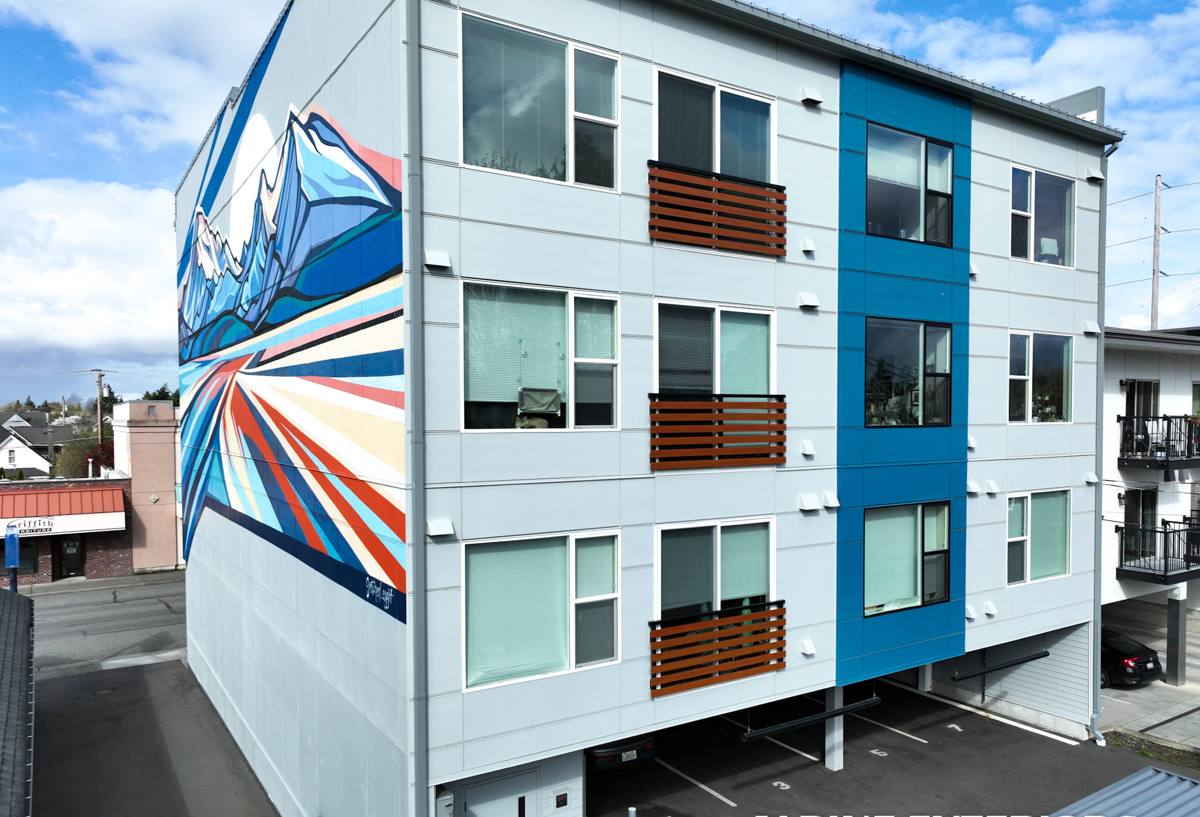
What "Energy Efficient" Actually Means for a Window
The term gets used loosely, but a window's real energy performance comes down to a short list of measurable factors, plus one factor that never shows up on a spec sheet at all: how well it was installed.
| Factor | What It Controls | Why It Matters in Whatcom County |
|---|---|---|
| U-factor | Rate of heat loss through the window | Lower U-factor matters most here because the heating season runs long and steady rather than a few sharp cold snaps |
| Solar heat gain coefficient (SHGC) | How much solar heat passes through the glass | Overcast, marine-cloud conditions mean solar gain is a smaller factor here than in sunnier inland climates, but orientation still matters room by room |
| Low-E coating | Reflects heat back while letting visible light through | Standard on any window worth installing today; the coating type should be matched to the room's orientation |
| Gas fill and pane count | Insulating value of the sealed unit itself | Argon-filled double-pane is the reliable baseline for this climate; triple-pane is a smaller step up here than it would be in a harsher climate |
| Installation quality | How much of the rated performance the homeowner actually keeps | Gaps, missing insulation, or poor flashing can erase a large share of a window's rated efficiency regardless of the product itself |
That last row is the one that gets skipped over most often in sales conversations, but it's frequently the biggest factor in how a window actually performs once it's in the wall.
Frame Material Trade-Offs
Beyond the glass package, the frame itself does real work insulating the window and standing up to this region's moisture. Vinyl frames offer solid insulating value and low upkeep, resisting the rot that plagues wood in a wet climate. Fiberglass frames perform similarly or slightly better and hold their dimensions well through temperature swings, which helps keep seals tight over time. Wood and wood-clad frames can look excellent and perform well when new, but they demand consistent maintenance — repainting, resealing, checking for early rot — to keep performing against Whatcom County's moisture load for the long haul. We'll walk through the honest trade-offs for a specific home rather than push one material as the only right answer.
How Wind-Driven Rain and Salt Air Change the Installation, Not Just the Product
A window rated for excellent energy performance in a lab doesn't automatically deliver that performance on a Columbia home facing wind off the water. Storms in this part of Whatcom County rarely drop rain straight down — wind pushes it sideways and sometimes up under trim and siding, which means the same gaps that let air leak in are often the paths water finds too. Salt in the marine air also accelerates wear on hardware and weatherstripping faster than it would inland, so a lower-grade component that looks fine on a shelf can start failing years earlier here than the manufacturer's general warranty language assumes. None of this shows up in a glazing spec sheet — it shows up in how the window is flashed, sealed, and hardware-specified for this specific coastal exposure.
Window Styles and Wind-Driven Rain
Style choice interacts with weather performance more than most homeowners expect. Casement windows, which crank outward and seal by pressing the sash against the frame, tend to resist wind-driven rain better than sliding styles, since wind pressure actually helps seat the seal rather than working against it. Double-hung windows remain a good fit for matching an older home's look and are fine performers when properly weatherstripped, but their sliding seals ask more of the weatherstripping over time in a wet, windy climate. Neither style is wrong for Columbia — the right call depends on the home's exposure, its existing architecture, and how much the homeowner prioritizes matching original character versus maximizing seal performance.
Signs a Window Is Costing More Than It Should
- A heating bill that runs noticeably higher than similar-sized homes nearby
- A draft you can feel near the frame even with the window fully latched
- One room that's consistently colder or louder than the rest of the house
- Fog or trapped moisture between the panes of a double-pane unit
- Interior condensation on the glass or sill during cold, damp stretches
- Paint or trim near the window showing early wear from moisture, not age
Any single sign could have another explanation, but taken together, they're usually enough reason to have a window's actual condition assessed rather than guessed at.
What Correct Installation Involves
The product is only half the job. The other half is how it goes into the wall.
Preparing and Sealing the Rough Opening
Before a new window goes in, the opening needs to be inspected for existing damage, insulated around its full perimeter, and air-sealed with a material built to stay flexible through temperature swings. Skipping this step is the single most common way a well-rated window ends up underperforming.
Flashing That Drains, Not Just Seals
Flashing has to actually direct water back out of the wall assembly, not just block it in place. A sill pan under the window and properly lapped flashing above and beside it keep both bulk water and the insulation around the frame dry — wet insulation loses much of its insulating value, so a flashing failure quietly undercuts energy performance even when no visible leak ever appears.
Weatherstripping Rated for Coastal Exposure
We specify weatherstripping and hardware built to hold up under sustained salt-air exposure rather than a generic inland-grade part that looks identical on a cut sheet but degrades faster here.
Shimming and Fastening Correctly
A window installed out of level or out of square puts ongoing stress on the sash, which can loosen the seal and strain the hardware over time, even on a premium unit.
How Windows Connect to the Rest of the Exterior
A window replacement that ignores the surrounding siding and drainage plane can look finished while still leaking energy or, worse, moisture into the wall cavity behind it. Because we handle siding, roofing, decks, and windows as one trade rather than farming window work out separately, the crew doing the flashing and air sealing on a Columbia home already understands exactly how that flashing needs to tie into the siding around it. That connection matters for keeping water out, and it matters just as much for whether the window actually delivers its rated energy performance once the trim goes back on.
Cost Factors to Understand Before You Budget
| Factor | Why It Affects Cost | Practical Note |
|---|---|---|
| Number of windows and sizes | Larger and custom-sized units cost more than standard sizes | Replacing all windows at once is often more cost-efficient per unit than doing it room by room over several years |
| Frame material | Vinyl is typically the most budget-friendly; fiberglass and wood cost more | Factor in long-term maintenance cost, not just the upfront price |
| Glazing package | Triple-pane and specialty coatings add cost over standard double-pane | Worth targeting selectively — north-facing or noise-sensitive rooms — rather than across the whole house |
| Extent of rough opening repair | Rot or existing water damage found during removal adds labor | Older Columbia homes sometimes reveal this only once the old window comes out |
| Trim and interior finish work | Matching existing trim profiles or historic detailing takes more time than a plain reinstall | Worth discussing upfront if the home has original woodwork worth preserving |
Our Process
- On-site assessment of existing windows, checking seals, frame condition, drafts, and how current flashing ties into the wall
- A straightforward read on which windows are actually costing the most in comfort and energy, not a blanket recommendation to replace everything
- A written quote covering glazing package, frame material, and installation scope, with product and installation warranties spelled out separately
- Careful rough opening prep, flashing, air sealing, and precise fitting for every window installed
- A final walkthrough checking seal, operation, and trim finish before we consider the job done
Why It Matters to Hire a Crew That Already Works Columbia
A crew unfamiliar with this specific stretch of the Whatcom County coast tends to default to whatever glazing package and installation approach they use everywhere else, without adjusting for how driving rain, salt air, and a long moss season actually interact with a window seal here. That shows up in concrete decisions — the weatherstripping grade actually specified, how much time goes into air-sealing the rough opening before trim goes back on, whether flashing is treated as protecting insulation as seriously as it's treated as keeping out bulk water. Those decisions are the difference between a homeowner getting the performance printed on the spec sheet and getting a fraction of it. It also means someone local is still around if a seal or comfort question comes up a few years down the road.
A Practical Checklist Before You Hire
- Ask how the rough opening will be air-sealed and insulated, not just which glass package is being quoted
- Confirm current Washington contractor licensing and active liability insurance
- Get a written scope that separates the manufacturer's product warranty from the installer's workmanship warranty
- Ask what weatherstripping and hardware grade is specified and whether it's rated for coastal exposure
- Ask for a room-by-room recommendation rather than a one-size answer for the whole house
If windows in your Columbia home are drafty, fogged, or just never feel right no matter the season, we're happy to take a look and give you a straightforward read on what's actually worth fixing. Reach out using the form below for a free, no-pressure estimate.