 Whatcom County
 Why Window Installation in Blaine Is Its Own Job
Blaine sits right on the water at the northern edge of Whatcom County, close enough to Semiahmoo Bay and the Strait of Georgia that salt-laden air is a daily fact of life, not an occasional weather event. That changes what "correct" window installation looks like here. A window that performs fine forty miles inland can fail early in Blaine if the flashing, fasteners, and sealants weren't chosen with salt exposure and wind-driven rain in mind. This page covers what we actually do when we install windows on Blaine homes, why the details matter in this specific location, and what to expect from the process.
We're not writing this to scare anyone into a bigger job than they need. Most window installations in Blaine are straightforward when they're done right the first time. The problems we get called to fix later almost always trace back to shortcuts taken during the original install — not bad windows, but bad water management around good windows.
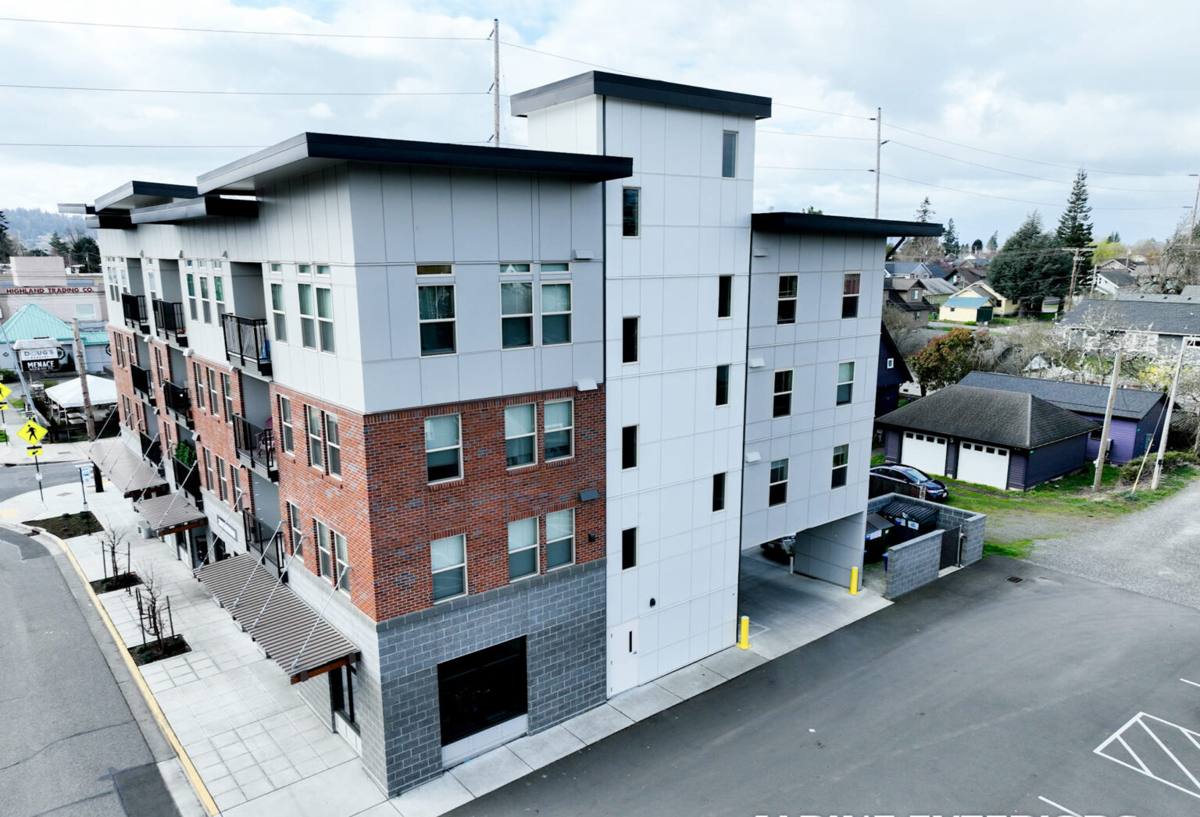
What Blaine's Climate Does to Windows
Salt Air and Corrosion
Proximity to salt water accelerates corrosion on unprotected metal — fasteners, flashing, and hardware that would last decades elsewhere can start showing pitting or rust streaks in a fraction of that time on a home a few blocks from the water. This is why fastener and flashing material selection matters more in Blaine than in most of the county.
Driving Rain
Blaine gets wind off the water that pushes rain sideways into wall assemblies, not just straight down onto rooflines. A window opening that relies only on caulk at the exterior face, with no proper flashing plane behind it, will eventually let that wind-driven moisture track behind the trim and into the wall. This is one of the most common failure points we find on older Blaine homes.
Long Moss and Damp Season
Whatcom County's extended wet season keeps wood trim, sills, and surrounding siding damp for long stretches of the year. Anywhere moisture can collect and sit — a sill without slope, a gap without drainage — becomes a slow rot problem. Moss and algae growth around window trim is also a visible sign that water is lingering rather than shedding, which is worth paying attention to even before it becomes a leak.
What a Correct Installation Actually Involves
Window installation is really two jobs stacked together: setting the window unit itself, and managing water around the rough opening so it never reaches the framing. The window product matters, but the water management is what determines whether the install lasts.
The Opening Comes First
Before a new window goes in, we check the rough opening for square, level, and existing damage. On older Blaine homes — especially ones near the water that have taken decades of salt air and rain — it's common to find soft or discolored framing around old windows. We don't cover that up. If we find it, we tell you before proceeding, not after.
Flashing, Not Just Caulk
A proper install uses a layered flashing system: a sill pan to catch and direct any water that gets past the window back outside, side flashing integrated with the house wrap or building paper, and head flashing above the unit that sheds water outward and down, not toward the window. Caulk is the last line of defense, not the first. In a driving-rain, high-wind location like Blaine, skipping the flashing plane and relying on sealant alone is the single most common cause of the leaks we get called to repair.
Fastening and Hardware
Given the salt-air exposure, we're deliberate about fastener choice around window openings — using corrosion-resistant fasteners rather than whatever is cheapest, because the cost difference is small and the failure it prevents is expensive to fix later.
Sealing the Interior and Exterior Correctly
Sealant belongs on the exterior at specific points designed to shed water, and on the interior as an air seal — these are different jobs with different products, and mixing them up (or sealing everything solid on both sides) can actually trap moisture inside the wall instead of letting it dry out.
Our Process, Start to Finish
- Assessment: We look at your existing windows, the condition of the surrounding trim and siding, and take measurements. We'll point out anything concerning we see, like soft wood or old failed flashing.
- Product selection: We talk through frame material, glass package, and style options based on your home's exposure — a window on the water-facing side of a Blaine home often warrants different consideration than one on a sheltered wall.
- Prep and removal: Old units come out carefully to avoid unnecessary damage to surrounding siding and trim, and we inspect the opening once it's exposed.
- Opening repair, if needed: Any soft framing, old failed flashing, or rot gets addressed before the new window goes in. Installing a new window into a damaged opening just hides the problem temporarily.
- Flashing and install: Sill pan, side flashing, window set plumb and square, head flashing, then air sealing on the interior.
- Exterior finish: Trim, exterior sealant at the correct points, and a final check that water sheds away from the opening in every direction.
- Walkthrough: We show you the finished work and explain anything specific to your home's exposure that's worth keeping an eye on.
Choosing a Frame Material for This Location
There's no single "best" window material for every home — it depends on your budget, your home's style, and how exposed the installation location is. Here's how the common options generally compare for a salt-air, high-moisture coastal setting like Blaine:
| Material | Salt Air / Moisture Behavior | Maintenance | Typical Trade-Off |
|---|---|---|---|
| Vinyl | Doesn't corrode; handles moisture well | Low — occasional cleaning | Fewer color/finish options than other materials |
| Fiberglass | Very stable in moisture and temperature swings | Low | Higher upfront cost |
| Aluminum | Prone to corrosion near salt water unless properly coated | Moderate — coating needs monitoring | We're selective about where we recommend this near the water |
| Wood | Attractive but vulnerable to sustained moisture without diligent upkeep | High — regular painting/sealing required | Best suited to sheltered exposures, not direct salt-air walls |
| Wood-clad | Exterior cladding protects the wood core from direct moisture | Moderate | Cladding integrity at joints matters — inspect periodically |
We'll give you an honest read on what fits your home's specific exposure rather than pushing one product line. A window on the leeward side of a Blaine home has different needs than one facing open water.
Signs Your Current Windows Need Attention
- Fogging or condensation between panes on double- or triple-pane units — a sign the seal has failed
- Soft, spongy, or discolored wood trim around the window frame
- Visible gaps, cracked caulk, or daylight around the frame edges
- Difficulty opening, closing, or locking — often a sign the frame has shifted or swollen
- A musty smell or visible mold near the window after wet weather
- Moss or algae buildup on the sill or surrounding trim that keeps returning
- Noticeable drafts or a cold wall around the window in winter
- Peeling paint or bubbling finish on interior or exterior trim near the window
What Drives Cost
Every home and opening is different, so we don't quote a number without seeing the job, but the main cost factors are worth understanding upfront:
| Factor | Why It Affects Cost |
|---|---|
| Frame material | Vinyl, fiberglass, wood, and wood-clad have different material costs |
| Opening condition | Rot or framing repair adds labor before the new window can go in |
| Glass package | Double vs. triple pane, and coatings, affect both price and performance |
| Window size and style | Larger units, custom shapes, or operable styles vary in labor and hardware |
| Number of openings | Whole-house replacement typically has a better per-window cost than one-offs |
| Exterior finish work | Trim, siding tie-in, and repainting/staining add to the scope |
Why Hire a Crew That Already Works Blaine
A crew that regularly works this part of Whatcom County has already seen how salt air, driving rain, and the long moss season affect window installs specifically here — which fastener choices hold up, where flashing tends to fail on older Blaine construction, and which frame materials are worth the extra cost on a water-facing wall versus a sheltered one. That's different knowledge than general window installation experience from a drier or more inland market. It shows up in small decisions during the install that you'd never notice until years later, when the window either has held up or hasn't.
It also means we're not guessing about your home's exposure category — we can look at where your house sits relative to the water and wind and adjust our approach accordingly, rather than applying the same install method regardless of location.
Maintenance That Extends the Life of a New Install
Even a correctly installed window benefits from periodic attention in a climate like this one:
- Rinse salt residue off frames and glass periodically, especially on water-facing walls
- Keep weep holes and drainage paths clear of debris, moss, and dirt
- Check exterior sealant annually for cracking or separation and have it addressed before it fails
- Trim back vegetation that keeps trim and sills damp longer than necessary
- Repaint or reseal wood and wood-clad trim on the schedule the manufacturer recommends, not just when it looks bad
Get a Straight Answer for Your Home
If you're dealing with drafty, foggy, or water-damaged windows on a Blaine home, or planning ahead for a full replacement, we're happy to take a look and give you an honest assessment — no pressure, no inflated scope. Fill out the form below for a free estimate, and we'll walk you through exactly what your home needs and why.