 Whatcom County
 Why Blaine's Climate Is Hard on Asphalt Shingle Roofs
Blaine sits right up against the water at the top of Whatcom County, which means homes here take on a combination of stresses that inland roofs rarely see. Salt-laden air off the bay works its way into fasteners, flashing, and metal accessories year-round. Add in the driving rain that comes sideways during winter storms, and you've got moisture finding every weak seam, nail pop, and lifted shingle edge on a roof. Then there's moss — the long, damp shoulder seasons in this part of Washington give it months to take hold on north-facing slopes and shaded valleys, and once it's established it holds water against the shingle surface far longer than the roof was designed for.
None of this means asphalt shingles are a bad choice for Blaine. They're still one of the most practical, cost-effective roofing materials for this region when they're installed with the right details for coastal Whatcom County conditions. The problems we see aren't usually about the shingle brand — they're about shortcuts taken during installation that don't show up until year three or four, when the underlayment, flashing, or ventilation wasn't built for this specific climate.
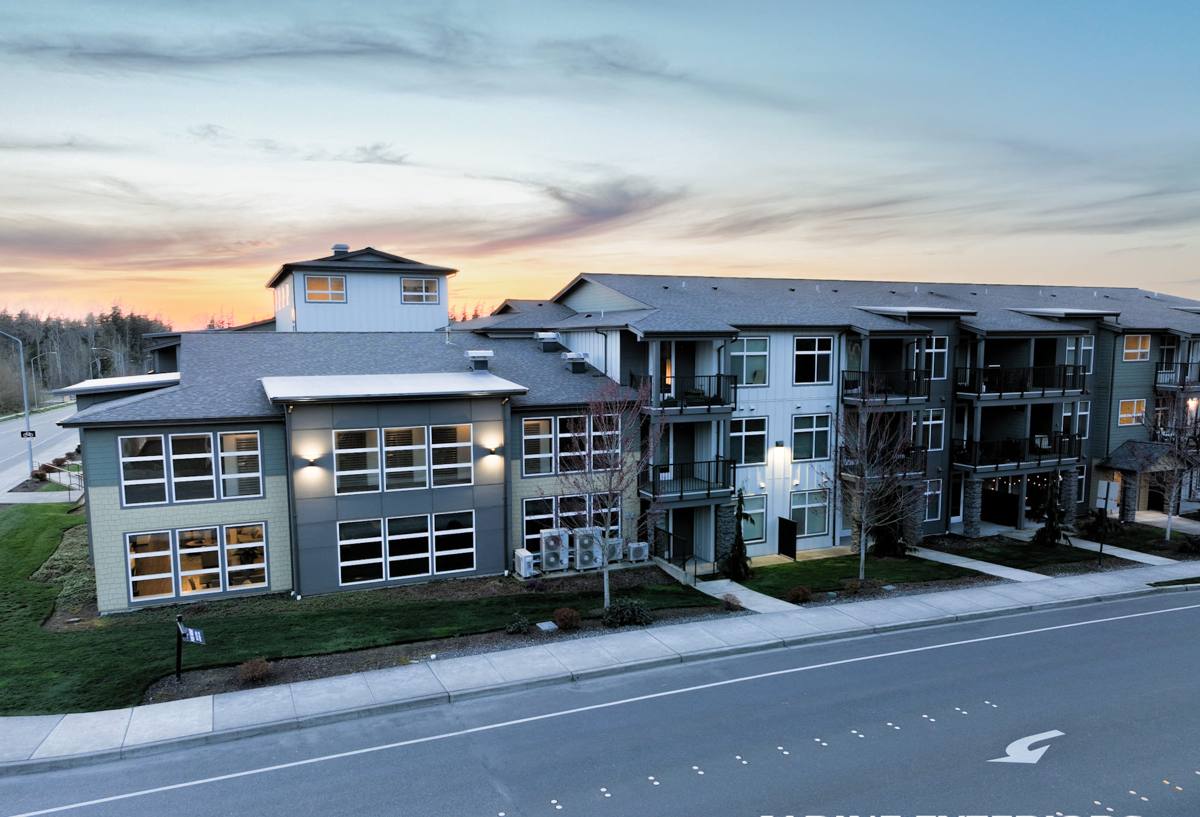
What a Correct Asphalt Shingle Roof Needs in This Area
A roof that's going to hold up near the water needs a few things that a generic installation might skip:
- Full ice-and-water shield at eaves, valleys, and around every penetration — not just the minimum code strip, given how often wind-driven rain gets up under shingle edges here
- Corrosion-resistant flashing and fasteners rated for coastal exposure, since standard galvanized components can start showing rust within a few seasons this close to salt air
- Balanced attic ventilation so moisture from inside the home doesn't condense against the underside of the roof deck during our long stretches of cool, wet weather
- Proper valley and flashing details around chimneys, skylights, and roof-to-wall transitions, which are the most common places we find leaks starting on older Blaine roofs
- Moss-resistant granule shingles or zinc/copper strip protection on shaded slopes, since prevention is far cheaper than annual moss removal
Skip any one of these and the roof might look fine for a few years — but the failures that show up later are almost always traced back to one of these details being cut short during the original install.
Our Asphalt Shingle Roofing Process
Whether we're replacing a full roof or repairing a section, we follow the same sequence on every Blaine job because each step protects the ones after it.
Inspection and Assessment
We start by getting on the roof, not just looking at it from the ground. We check the deck for soft spots or rot (common where moss has been sitting for years), evaluate the existing ventilation, and look closely at flashing around chimneys, vents, and valleys. This tells us honestly whether the roof needs a full replacement, a targeted repair, or just maintenance — we'll tell you which one applies rather than defaulting to the most expensive option.
Tear-Off and Deck Preparation
For full replacements, we remove the old roofing down to the deck rather than layering over it. Layering hides deck damage and shortens the life of the new shingles, which isn't a trade-off worth making on a roof that has to deal with this much moisture. Any damaged sheathing gets replaced before anything new goes down.
Underlayment and Flashing
This is where a Blaine-appropriate roof is built or not. We install synthetic underlayment across the field and ice-and-water shield at the vulnerable areas — eaves, valleys, and penetrations — sized generously for the amount of driving rain this area gets. New flashing goes in at every transition point rather than reusing old flashing that's already showing pitting or rust.
Shingle Installation
Shingles are installed to the manufacturer's nailing pattern and exposure specs exactly — not looser, which is the single biggest reason shingles blow off in wind, and not tighter, which can trap moisture. We pay particular attention to starter courses and ridge caps, since those are the areas most exposed to wind uplift off the water.
Ventilation and Final Walkthrough
We check that intake and exhaust ventilation are balanced so the attic can actually dry out between wet spells. Before we call a job done, we walk the roof and the ground perimeter, clean up all debris and nails with a magnetic sweep, and go over what we did and what to watch for going forward.
Choosing the Right Shingle for Blaine's Coastal Conditions
Not every asphalt shingle product performs the same way this close to the water. Here's how the common options stack up for a Blaine home:
| Shingle Type | Wind Resistance | Moss/Algae Resistance | Typical Lifespan Here |
|---|---|---|---|
| 3-tab (standard) | Lower — more prone to lifting in coastal gusts | Standard granules only | 15–20 years |
| Architectural / dimensional | Higher, especially with proper nailing | Often available with algae-resistant granules | 25–30 years |
| Impact-rated / high-wind rated | Highest — built for storm exposure | Usually includes algae-resistant granules | 30+ years |
We generally recommend architectural shingles with algae-resistant granules for most Blaine homes — they strike the best balance of upfront cost and long-term performance against the moss and moisture this area produces. Impact-rated shingles are worth the added cost on homes with more open, wind-exposed roof faces facing the water, or for owners who want the longer warranty term that typically comes with them.
Repair or Full Replacement? What Actually Determines It
Homeowners often assume a leak means a full new roof, and that's frequently not true. What we actually weigh:
- Age of the roof — a 6-year-old roof with a damaged flashing detail is a repair; a 22-year-old roof with the same symptom usually isn't
- Extent of moss and granule loss — isolated moss on one slope can often be treated and cleaned; widespread granule loss across the whole roof signals the shingles are past their functional life
- Deck condition — soft or rotted sheathing found during a repair often means neighboring sections are close behind, which shifts the math toward replacement
- Number of past repairs — a roof that's had three or four patch jobs in recent years is usually costing more in accumulated repair bills than a single well-done replacement would
We'll walk you through which category your roof falls into honestly, including when a repair is genuinely the right call rather than upselling a replacement you don't need yet.
Preventing Moss and Salt Damage Between Roofing Work
A well-installed roof still benefits from some basic upkeep in this climate, and a little attention twice a year goes a long way:
- Keep gutters and valleys clear of needles and debris so water can shed off the roof instead of pooling against shingle edges
- Trim back overhanging branches on north-facing slopes to reduce the shade and moisture that moss needs to establish
- Have moss physically removed (not power-washed, which can strip granules) rather than left to grow, especially before it spreads under shingle tabs
- Check zinc or copper strips near the ridge periodically, since these are what release the compounds that keep moss from taking hold below them
- Have flashing and sealant points inspected after major windstorms, which are common through the fall and winter here
Signs Your Blaine Roof Needs Attention Now
A few warning signs are worth acting on before they turn into interior damage:
- Granules collecting in gutters or at downspout outlets
- Visible moss or dark streaking on shaded slopes
- Curling, cupping, or lifted shingle edges, especially after a windy stretch
- Daylight visible through the roof deck from inside the attic
- Water stains on ceilings or in the attic following heavy rain
- Missing or damaged shingles after a storm
Why Hiring a Crew That Already Works in Blaine Matters
A roofing crew that works across different parts of the country brings general roofing knowledge, but they haven't necessarily built the habits that matter specifically here — the extra ice-and-water coverage, the corrosion-resistant hardware, the ventilation balance for this level of moisture, or the moss-prevention details that keep a roof performing for its full expected lifespan near the water. We work throughout Whatcom County and know how this specific stretch of coastline treats a roof over time, which shapes every material and installation decision we make rather than defaulting to whatever's standard elsewhere.
We also know the practical side of working in Blaine — the weather windows that make sense for a tear-off without exposing your home to an unexpected rain system, and the realistic timelines given how often winter storms can push a schedule back.
Get an Honest Look at Your Roof
If your roof is showing moss, granule loss, or you just want a straight answer on whether it needs a repair or a replacement, we're happy to take a look. Request a free, no-pressure estimate through the form below and we'll give you a clear assessment of where your roof actually stands.