 Whatcom County
 Siding Replacement for Birchwood Homes
Birchwood homes deal with a specific combination of weather that a lot of siding products simply weren't built for. Salt-tinged air off the water, long stretches of driving rain, and a moss season that seems to run longer every year all work on a home's exterior at the same time. If your siding is cupping, cracking, holding moisture, or growing a green film that comes back no matter how often you clean it, that's not cosmetic — it's your home telling you the current siding has stopped doing its job.
We replace siding for homes throughout Whatcom County, and Birchwood is one of the neighborhoods we're in regularly. That matters more than it sounds like it should. A crew that knows the local weather pattern, the typical home ages and exterior styles in the area, and what actually fails first on a Whatcom County house makes fewer guesses and fewer mistakes than a crew seeing the conditions for the first time.
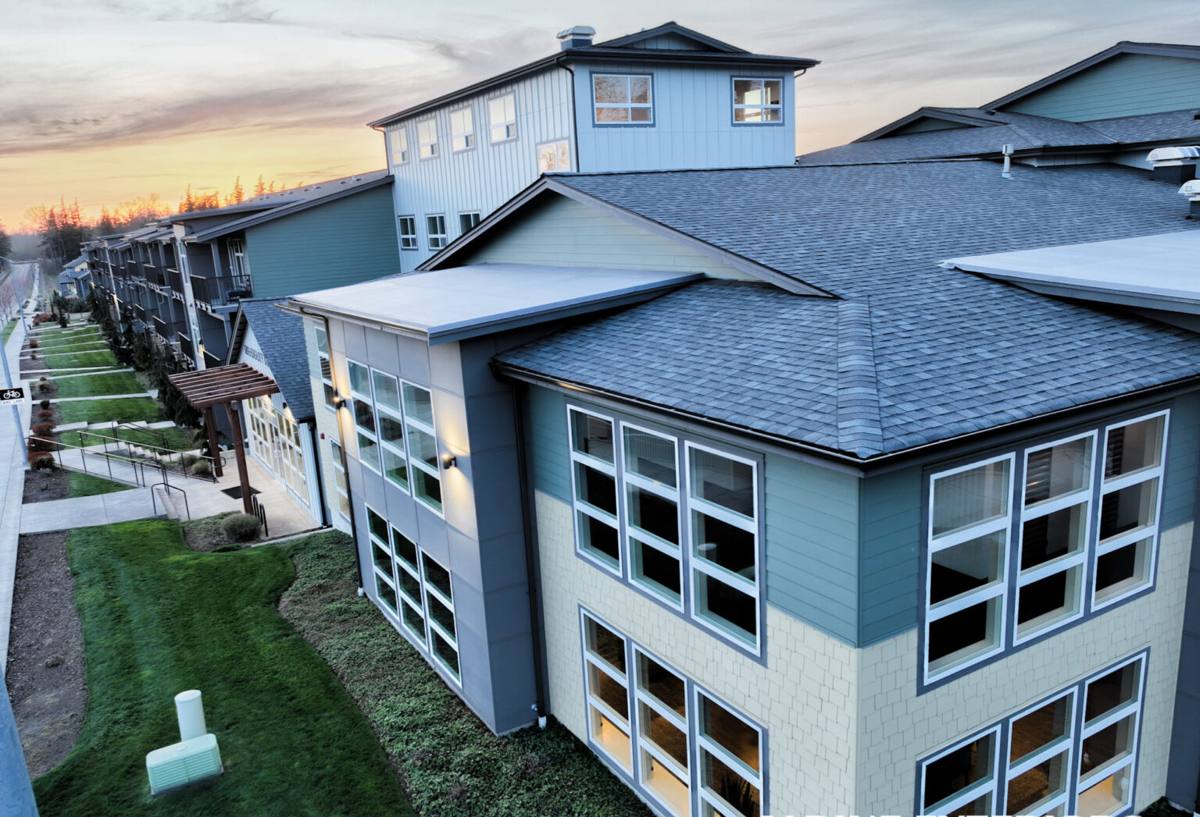
What Birchwood's Climate Actually Does to Siding
It helps to be specific about the mechanisms at work, because they're different failure modes and they call for different answers.
Salt Air
Proximity to marine air accelerates corrosion on fasteners, flashing, and any exposed metal trim. It also speeds up the breakdown of lower-grade paint finishes, which is why siding painted on-site or finished with a thin factory coat tends to chalk and fade faster here than it would inland.
Driving Rain
Whatcom County doesn't just get a lot of rain — a good portion of it comes in sideways during winter storms, driven by wind off the water. That means water gets pushed into laps, seams, and butt joints that would stay dry in a calmer climate. Siding systems and installation details that rely on water simply running straight down the wall don't hold up as well here.
Moss and Sustained Moisture
Shade, humidity, and a long wet season combine to give moss and algae a real head start on north-facing walls and anywhere airflow is limited. Moss isn't just unsightly — it holds moisture against the siding surface far longer than open air would, which extends every wet cycle the material goes through.
None of this is unique to Birchwood, but it's more pronounced here than in drier parts of the state, and it's a big part of why we standardized on one product rather than offering a menu of options with very different track records in this climate.
Why We Only Install James Hardie Fiber Cement
We get asked why we don't offer vinyl, LP SmartSide, or a cheaper fiber cement alternative. The honest answer is that we used to see the callbacks. Vinyl softens, warps, and can crack in cold snaps, and its seams give wind-driven rain an easier path in. Engineered wood products like LP SmartSide perform fine in a lot of climates, but they're wood-based, and wood-based siding depends heavily on paint film integrity and installer discipline to keep moisture out — miss one detail in a climate this wet and you're looking at swelling or edge deterioration years earlier than the warranty implies.
James Hardie fiber cement is cement, sand, and cellulose fiber — it doesn't rot, it isn't attractive to insects, and it's non-combustible. Hardie's ColorPlus factory finish is baked on under controlled conditions, which gives it far better UV and fade resistance than field-applied paint, and that matters directly for salt air exposure. Hardie also engineers specific product lines for different climate zones (HZ5 for our region), which affects the moisture-management specs baked into the product itself. It's not the cheapest material on the market, and we're upfront about that. But for a house that's going to sit in Whatcom County weather for the next 30-plus years, it's the product we're willing to put our name on.
Signs Your Birchwood Home Needs Siding Replacement
- Boards that are cupping, bowing, or visibly separating from the wall
- Cracking or splitting, especially near corners, butt joints, or fastener points
- Persistent moss or algae growth that returns within weeks of cleaning
- Soft or spongy spots when you press on the siding, especially near the bottom courses
- Paint that's chalking, peeling, or fading unevenly across the wall
- Visible gaps at trim, window, or door transitions where water can track in
- Rising energy bills with no other explanation — siding failure often means insulation and sheathing are also compromised
- Interior signs like stained drywall, musty smells, or peeling interior paint on exterior walls
Any one of these on its own might be minor. Several at once, or any sign paired with visible sheathing damage, usually means it's time for a real replacement rather than another round of patching.
What a Correct Siding Replacement Involves
Replacing siding correctly is not just pulling off old boards and nailing up new ones. In a climate like this, the work that happens before the new siding goes up matters as much as the siding itself.
Tear-Off and Inspection
Old siding comes off in sections so we can inspect the sheathing and framing underneath as we go, rather than discovering rot after the whole wall is exposed. This is often the first real look anyone's had at the wall assembly in decades, and in a wet climate it's common to find soft sheathing or old water damage that needs to be addressed before anything new goes on.
Repair and Prep
Any compromised sheathing gets replaced, not covered up. This is also the point where we address the framing and check that the wall is structurally sound to fasten new siding to.
Weather-Resistive Barrier
A correctly lapped weather-resistive barrier (house wrap) goes on over the sheathing, with special attention to how it integrates at windows, doors, and penetrations — the exact spots where driving rain finds its way in if the layering is wrong.
Flashing
Flashing at windows, doors, roof lines, and any wall penetrations gets installed or replaced so water is directed out and away from the wall assembly, not just relying on caulk. Caulk fails eventually; flashing is the part of the system that's supposed to work even after it does.
Siding Installation to Spec
James Hardie siding has manufacturer-specified fastener patterns, clearances, and gapping requirements — including keeping the bottom edge properly clear of grade, decks, and roof lines. These specs exist specifically to manage the kind of moisture exposure this region sees, and skipping them is one of the most common reasons fiber cement siding fails early, regardless of the brand.
Trim, Caulking, and Finish Details
Final trim and sealant work at joints and transitions is what gives the job its finished look and its last line of defense against water intrusion.
Our Process for a Birchwood Project
- Free on-site estimate — we walk the exterior, check for rot or moisture damage, and give you a straightforward assessment of what your home actually needs.
- Written proposal — scope, product line, color, and cost laid out clearly, no vague allowances.
- Scheduling around Whatcom County weather — we plan tear-off and installation to avoid leaving walls exposed during extended wet stretches.
- Tear-off, inspection, and repair — as described above, done in workable sections rather than exposing the whole house at once.
- Installation to Hardie spec — correct fastening, clearances, and flashing integration throughout.
- Final walkthrough — we go over the finished work with you before calling the job complete.
Comparing Siding Options for This Climate
| Material | Moisture Behavior in Wet Climates | Factory Finish Durability | Our Position |
|---|---|---|---|
| James Hardie Fiber Cement | Does not rot; engineered moisture-management specs (HZ5) | ColorPlus factory finish, strong UV/fade resistance | What we install |
| Vinyl | Seams and laps can allow wind-driven rain intrusion; can warp in temperature swings | Color molded through material but prone to fading and brittleness over time | Not installed |
| LP SmartSide (Engineered Wood) | Wood-based; performance depends heavily on paint film integrity and correct installation | Factory-primed, requires diligent field painting and maintenance | Not installed |
| Cedar / Primed Spruce | Natural wood; needs consistent maintenance to resist rot in sustained wet conditions | Requires ongoing painting/staining upkeep | Not installed |
What Drives the Cost of a Siding Replacement
Every home is different, and we won't quote a number until we've actually seen your walls, but a few factors consistently move the price up or down on a project like this:
| Factor | Why It Matters |
|---|---|
| Extent of sheathing/framing repair | Hidden rot found during tear-off adds material and labor that can't be estimated from the outside |
| Home size and wall complexity | More corners, gables, and trim transitions mean more cutting, flashing, and labor time |
| Hardie product line chosen | Lap siding, shingle-style panels, and board-and-batten looks carry different material and labor costs |
| Trim and finish scope | Full trim replacement alongside siding costs more than reusing sound existing trim |
| Access and site conditions | Multi-story walls, tight lot lines, or limited staging area affect labor time and equipment needs |
Maintaining Hardie Siding in a Salt Air, High-Moss Climate
One advantage of switching to fiber cement is how little ongoing maintenance it needs compared to wood or vinyl, but "low maintenance" doesn't mean "no maintenance" — especially here.
- Rinse siding annually to remove salt residue and organic buildup before it becomes established moss or algae
- Keep gutters clear so overflow doesn't run down the wall and feed moisture-loving growth
- Trim back vegetation and branches that shade walls and slow drying time
- Inspect caulking at trim and penetrations every couple of years and re-seal as needed
- Address any impact damage promptly — Hardie repairs are straightforward when caught early
Why Hiring a Crew That Already Works Birchwood Matters
A siding job is only as good as the details nobody sees once it's finished — the flashing behind the trim, the gap at the bottom edge, the way the weather-resistive barrier is lapped at a window. A crew that's replaced siding on other Whatcom County homes has already run into the local variables: the moss buildup on shaded north walls, the wind-driven rain pattern during winter storms, the salt exposure that shortens the life of the wrong fasteners. That experience shows up as fewer surprises during tear-off and a finished job that's actually built for what Birchwood weather will throw at it, not just for a dry-climate spec sheet.
If your siding is showing wear, holding moisture, or you're just planning ahead, we're happy to take a look and give you a straightforward, no-pressure assessment. Fill out the form below for a free estimate on your Birchwood siding replacement.