 Whatcom County
 Why Birchwood Decks Wear Differently Than Decks Inland
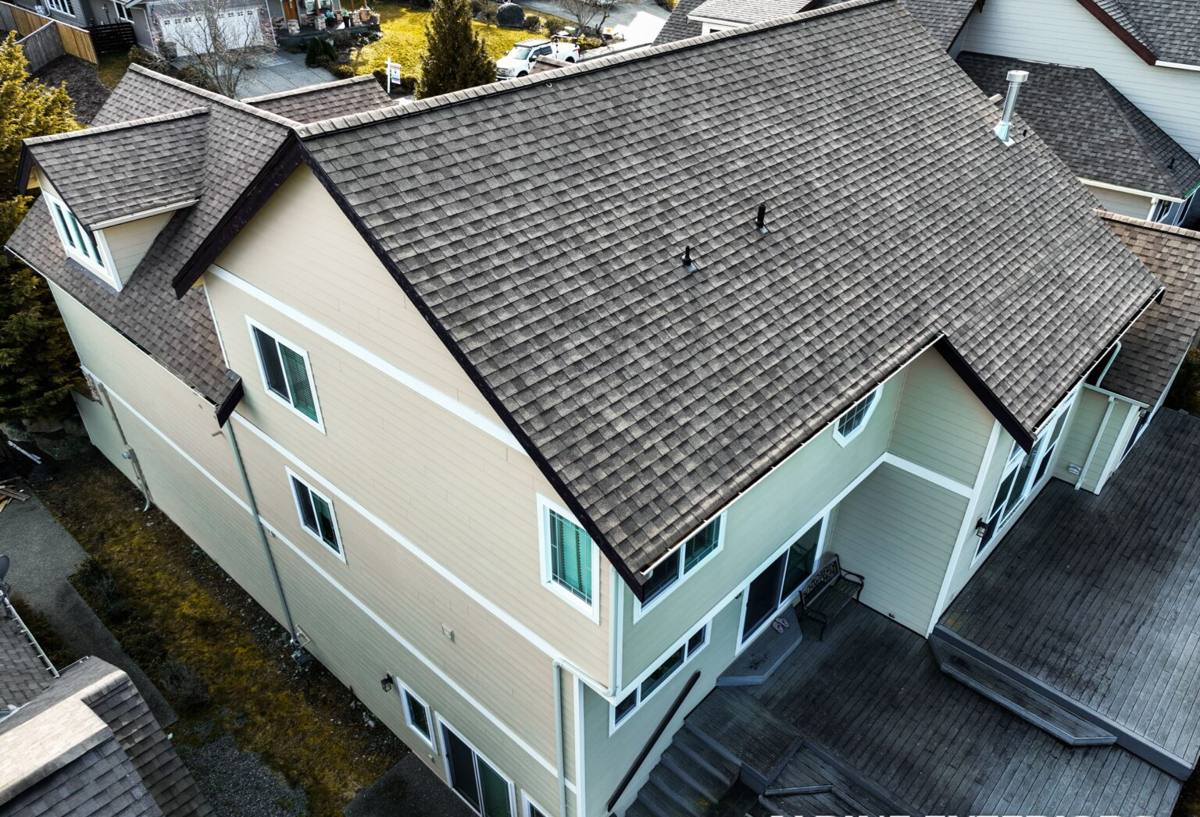
A deck built the same way in two different places won't age the same way. Birchwood sits close enough to the water and the weather patterns that move through Whatcom County that decks here take on a specific combination of stresses: salt-laden air that accelerates corrosion in fasteners and hardware, long stretches of driving rain that push moisture into joints and end grain, and a moss season that can run most of the year on shaded or north-facing structures. None of these problems show up overnight. They show up as a soft spot near the house, a railing post that wiggles more than it used to, or a green film on the boards that never seems to fully dry out.
When we get called out to look at a deck in Birchwood, we're rarely looking at one isolated problem. Usually the moisture and moss issues have been working together for a few years, and the homeowner is calling because something finally became visible or felt unsafe underfoot. Understanding that combination is the difference between a repair that lasts and one that just covers up a symptom.
What Deck Repair Actually Covers
"Deck repair" gets used loosely, so it's worth being specific about what falls under it. Repair means fixing or replacing failed components while keeping the sound structure in place — as opposed to a full tear-off and rebuild, which is a different scope and cost entirely. Common repair work includes:
- Replacing rotted or split decking boards, individually or in sections
- Sistering or replacing damaged joists and beams
- Rebuilding or reinforcing a failing ledger board connection at the house
- Repairing or replacing posts, footings, and railings that have shifted or weakened
- Fixing stair stringers and treads
- Correcting flashing and drainage details that are letting water in
- Cleaning, treating, or replacing surfaces damaged by persistent moss and mildew
Not every deck qualifies for repair. If the framing has widespread rot, if footings have heaved or settled unevenly, or if the ledger connection has been compromised for long enough that the house rim joist is also affected, replacement is the more honest recommendation. Part of our job is telling you which situation you're actually in before any work starts, not after.
The Parts That Fail First Here
In our experience working on decks throughout Whatcom County, a handful of spots consistently fail before the rest of the structure:
- The ledger board — where the deck attaches to the house. This is the single most important structural connection on most decks, and it's also the spot most exposed to water running off the house siding or roofline. A poorly flashed ledger is the most common serious problem we find.
- Post bases and footings — constant ground moisture in this climate means untreated or poorly protected post bases can rot or corrode well before the visible deck surface shows any wear.
- Fasteners and hardware — salt air speeds up corrosion on lower-grade screws, nails, and joist hangers. Rust streaks on decking are often the first visible warning sign of hardware that's failing out of sight.
- Shaded decking boards — north-facing sections or areas under trees hold moisture longer and grow moss faster, which traps even more moisture against the wood.
How We Approach a Repair
1. Inspection From the Ground Up, Not Just the Surface
We start underneath the deck, not on top of it. Surface boards can look fine while the framing underneath is soft. We check the ledger connection, footings, joists, and any hardware we can access, then move to the visible surface — decking, railings, stairs, and any spots holding moss or standing water.
2. An Honest Scope, in Writing
You get a clear list of what needs to be fixed, what's optional, and what we'd flag as a future concern but isn't urgent yet. We separate structural repairs from cosmetic ones so you can make an informed call on priority and budget.
3. Repair the Cause, Not Just the Symptom
If a board is rotting because water is pooling against it, replacing the board without fixing the drainage or flashing just buys you a year or two before the same spot fails again. We address the water path first — flashing, slope, gaps between boards — then replace what needs replacing.
4. Materials Matched to Exposure
Not every board or fastener on a repaired deck needs to be the same as what's already there, especially if the original materials were part of why it failed. We'll walk you through where an upgrade in hardware or a change in board type makes sense versus where matching the existing material is the right call.
Repair vs. Replace: What Actually Drives the Decision
| Factor | Leans Toward Repair | Leans Toward Replacement |
|---|---|---|
| Framing condition | Isolated soft spots or single failed joists | Widespread rot across multiple framing members |
| Ledger connection | Solid, properly flashed, no water intrusion into the house | Compromised connection, or evidence water has reached the house structure |
| Footings/posts | Stable, no visible heaving or shifting | Settled unevenly or showing structural movement |
| Age of structure | Under 15-20 years with regular maintenance | Well past typical service life, or never maintained |
| Moss/moisture damage | Surface-level, mostly on decking boards | Has migrated into framing and caused ongoing rot |
This table is a starting point, not a diagnosis — the only way to know for certain is a hands-on inspection, since two decks that look similar from the yard can be in very different structural shape underneath.
Materials We Use for Repairs, and the Trade-Offs
For structural framing — joists, beams, posts — we favor pressure-treated lumber rated for ground contact where applicable, because it's the most predictable option for long-term structural performance in a wet climate. For visible decking surfaces, homeowners in Birchwood typically choose between refinished or replaced wood decking and composite boards.
Wood decking costs less up front and can look great, but it asks more of the homeowner: regular cleaning, periodic sealing or staining, and vigilance about moss, especially in shaded sections. Composite decking costs more initially and handles moisture and moss growth better with less upkeep, but it's a different look and feel than natural wood, and not every homeowner prefers it. Neither is objectively "better" — it's a trade-off between upfront cost, maintenance tolerance, and appearance preference, and we'll lay out that trade-off honestly rather than pushing one option.
For hardware, we use corrosion-resistant fasteners and connectors appropriate for treated lumber and coastal-influenced air. Cutting corners on hardware is one of the most common causes of early deck failure we see, and it's a small cost difference relative to the labor involved in redoing the work later.
A Homeowner's Maintenance Checklist
Whether you repair now or you're trying to stretch time before you need to, a few habits make a real difference in a Whatcom County climate:
- Sweep debris off the deck regularly, especially fallen leaves and needles that trap moisture
- Check shaded and north-facing areas for moss buildup at least twice a year
- Look underneath the deck once a year for soft wood, rust streaks, or standing water
- Keep gutters and downspouts clear so roof runoff isn't draining onto or under the deck
- Reseal or refinish wood decking on the manufacturer's recommended schedule, not just when it looks worn
- Watch the ledger board area at the house for gaps, staining, or peeling paint — early signs of water intrusion
Why a Crew Familiar With Birchwood Matters
A contractor who works Birchwood regularly already understands which sides of a house catch the most driving rain, how aggressive moss growth gets in shaded yards here, and what kind of hardware actually holds up rather than corroding within a few seasons. That's not something you get from a general contractor passing through the area once. It shows up in the details — where we check first during an inspection, what we flag as urgent versus cosmetic, and which materials we recommend for your deck's specific exposure.
It also matters for follow-through. A repair is only as good as the person standing behind it, and a locally established crew has a reputation in the community to maintain, which is a real incentive to do the job right the first time.
If you've noticed a soft spot, a wobbly railing, or moss that keeps coming back no matter what you do, we're happy to come take a look. Fill out the form below for a free, no-pressure estimate — we'll tell you honestly what your deck needs and what it doesn't.