 Whatcom County
 Windows in Barkley Take a Different Kind of Beating
Barkley sits close enough to the water and the marine weather patterns that roll through Whatcom County that its windows deal with a combination most inland homes never see: salt-laden air, wind-driven rain that hits glass and trim sideways instead of straight down, and a moss and mildew season that can stretch for much of the year. None of that is dramatic on its own, but stacked together over a decade or two, it's exactly the kind of slow, steady exposure that finds every weak point in a window installation.
Vinyl frames chalk and go brittle at the corners. Wood sashes hold moisture at the sill and start to soften from the inside out, often before there's any visible sign on the exterior. Hardware pits and sticks. And on older homes, the original flashing and sealant details — which may have been fine for a drier climate — simply weren't built for this much sustained moisture. A window replacement in Barkley isn't just a cosmetic upgrade; it's an opportunity to correct details that were never right for this environment in the first place.
Signs Your Windows Are Due for Replacement
Not every drafty window needs full replacement, and not every window that looks fine on the surface is actually performing well. Here's what we look for during an assessment:
- Fogging or a milky haze between the panes of double-glazed units — a sign the seal has failed and the gas fill is gone
- Soft or discolored wood at the sill, jamb, or bottom corners of the frame
- Visible gaps between the window frame and siding, or cracked/missing caulk around the perimeter
- Windows that are difficult to open, close, or lock, or that no longer sit flush in the frame
- Noticeable drafts or a cold zone near the window even when it's fully closed
- Condensation forming consistently on the interior glass, which points to poor insulation value or air leakage
- Visible moss, algae, or persistent dark staining on the exterior trim or sill
Any one of these on its own might just need a repair. Several together, especially on a home that's had its original windows for 20-plus years, usually means replacement is the more honest recommendation.
Full-Frame Replacement vs. Insert Replacement
There are two basic approaches to replacing a window, and the right one depends on the condition of what's already there — not just the homeowner's budget.
Insert (Pocket) Replacement
An insert window is built to fit inside the existing frame, which stays in place along with the surrounding trim and siding. It's faster, less invasive, and generally less expensive. It's a good option when the existing frame is still structurally sound and dry — no rot, no water damage, no history of leaks.
Full-Frame Replacement
Full-frame replacement removes the window all the way down to the rough opening, including the old frame, and rebuilds from there with new flashing. It costs more and takes longer, but it's the only way to actually inspect and fix what's happening behind the frame — which matters a great deal in a climate where moisture intrusion is often invisible until it's advanced. If we open up a window and find soft sheathing or signs of past water intrusion, we'll tell you honestly rather than papering over it with an insert unit that would just trap the problem behind new trim.
What Correct Flashing and Moisture Management Actually Look Like
The window itself is usually not where a replacement fails. It's almost always the flashing, sealant, and drainage details around it. In a climate with as much driving rain as Whatcom County gets, water will find its way to the edges of a window opening — the question is whether it has somewhere to go once it's there.
A correct installation includes a sloped sill pan so any water that gets behind the exterior cladding drains back out rather than pooling against the framing, properly lapped flashing tape integrated with the home's weather-resistive barrier (not just caulk sealing the gap), and back-dam details at the sill to stop water from migrating inward toward the interior finish. These aren't upgrades — they're the baseline for doing the job right in this region. Skipping them is how a brand-new window ends up with rot behind it five years later.
Sealant Is Not a Substitute for Flashing
A common shortcut we see on older or poorly done installations is heavy reliance on exterior caulk to keep water out, with no real flashing system underneath. Caulk degrades, cracks, and loses adhesion well before a window's expected service life is up — and when it fails, there's nothing behind it to catch the water. Proper flashing works whether or not the sealant is still intact.
Choosing a Frame Material for This Climate
Frame material matters more here than in drier parts of the state, because moisture resistance and maintenance tolerance carry more weight than they would somewhere with a shorter wet season.
| Frame Material | Moisture Resistance | Maintenance | Typical Lifespan |
|---|---|---|---|
| Vinyl | Good — won't rot, but can become brittle over decades of UV/salt exposure | Low | 20-30 years |
| Fiberglass | Very good — dimensionally stable, resists warping in wet-dry cycles | Low | 30-40+ years |
| Wood (unclad) | Poor to moderate without diligent upkeep | High — regular refinishing needed | Varies widely with maintenance |
| Wood-clad (aluminum or fiberglass exterior) | Good — exterior shell protects the wood core | Moderate | 25-35 years |
| Aluminum | Good, but prone to condensation without thermal breaks | Low | 20-30 years |
We don't push one material on every job. A fiberglass or well-clad wood window makes sense on a home where appearance and longevity both matter and the budget supports it; vinyl remains a solid, honest choice for straightforward replacements where cost matters more. What we do avoid recommending is unclad wood on exposures that take direct wind-driven rain, simply because the maintenance burden in this climate is more than most homeowners want to sign up for — that's a trade-off we'll walk through with you rather than a product we'd call defective.
Energy Performance: What Actually Matters Here
Whatcom County's climate is milder than the numbers on a spec sheet might suggest, but it's damp and often overcast, which shifts priorities compared to a hot, dry climate.
- U-factor (heat loss) matters more here than solar heat gain coefficient, since summer heat isn't the primary concern — a lower U-factor keeps the home warmer through the wet, cool months
- Low-E coatings help retain interior heat without significantly darkening the glass, which matters on a lot of already-gray days
- Double vs. triple glazing — double-pane with a quality low-E coating and argon fill covers most homes well; triple-pane adds cost and weight that's usually only worth it on north-facing exposures or homes aiming for very high efficiency targets
- Condensation resistance is worth asking about specifically, since interior humidity plus cool glass surfaces is a recipe for the condensation issues common in this climate
Our Process, Start to Finish
We keep the process straightforward and try to minimize disruption to the home:
- On-site assessment — we look at each window's condition, the framing behind it where accessible, and talk through what you actually need versus what's optional
- Honest recommendation — insert or full-frame, and which materials make sense for the exposure and budget, explained plainly
- Written estimate — clear line items, no vague allowances
- Scheduling — we work around weather windows where possible, since installing in active rain compromises the flashing work
- Removal and prep — old units come out carefully to protect interior finishes and siding
- Flashing and installation — sill pans, flashing tape, and air-sealing done to the standard described above, not shortcuts
- Interior and exterior trim-out — matched to the home's existing finish where possible
- Final walkthrough — we check operation, sealing, and cleanup with you before calling the job done
Permits and Local Considerations
Window replacement in Bellingham and Whatcom County generally requires a permit when the change involves altering the rough opening size, egress requirements, or structural elements — straightforward like-for-like replacements often fall under simpler rules, but this varies by scope and by the specific jurisdiction's current code. We handle the permit question as part of the estimate rather than leaving homeowners to figure it out, and we won't skip a required permit to save time, since that's the kind of shortcut that causes problems at resale.
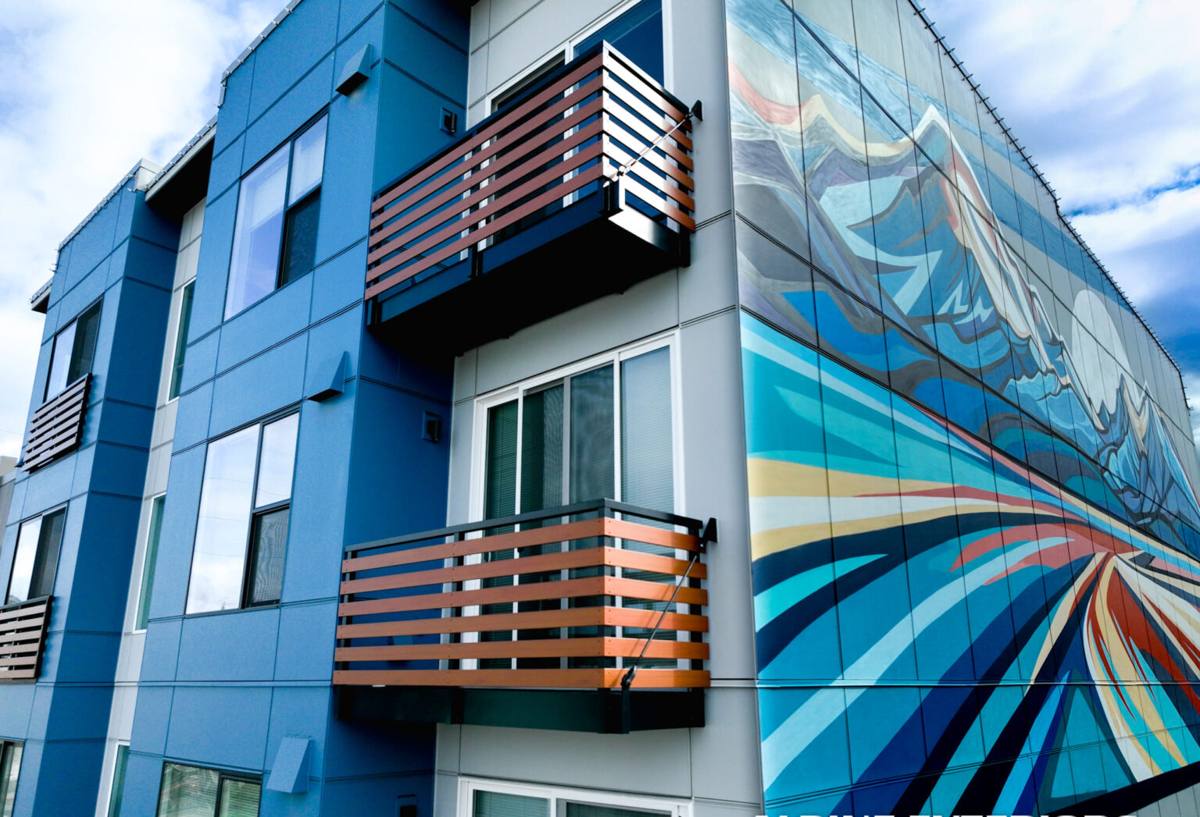
Barkley's mix of housing stock — from older single-family homes to newer multi-family and mixed-use buildings — means the right approach varies block to block. A home closer to more open, wind-exposed areas needs more attention to air-sealing and flashing detail than one that's more sheltered by surrounding structures and mature trees. We adjust the approach to the specific exposure rather than treating every job the same.
Questions Worth Asking Before You Hire Anyone
- Will you be doing a full-frame or insert replacement, and why is that the right call for my windows specifically?
- What flashing system and sill pan detail will you use?
- Is a permit required for this scope of work, and will you pull it?
- What's the manufacturer's warranty on the windows, and what's your labor warranty separate from that?
- How do you handle it if you find rot or water damage once the old window is out?
- Can I see references or examples of similar work in this area?
A contractor who answers these clearly and specifically, without hedging, is generally one worth trusting with the job.
Why a Crew That Already Works Barkley Makes a Difference
There's a real advantage to hiring a crew that's already familiar with how homes in this specific area are built and how the weather actually behaves here, rather than a general contractor working from out of the region. We know what kind of exposure to expect on different orientations, what the moss and moisture patterns tend to do to trim and sills over time, and what flashing details actually hold up under Whatcom County's version of driving rain — not a generic weatherproofing standard written for a drier climate. That local familiarity shows up in fewer surprises during the job and a better chance the installation is still performing the way it should ten or fifteen years from now.
If your Barkley home has windows that are drafty, fogged, difficult to operate, or just old enough that you're not sure what's behind the trim anymore, we're happy to take a look and give you a straight answer about what it needs. Reach out for a free, no-pressure estimate using the form below.