 Whatcom County
 Why Barkley's Climate Puts Extra Demands on a Roof
Barkley sits close enough to Bellingham Bay and the Puget Sound air system that homes here deal with a specific combination of stresses most inland neighborhoods don't: salt-laden air moving in off the water, long stretches of driving rain through fall and winter, and a moss season that can run eight or nine months out of the year. None of these are dramatic events on their own. The damage they cause is cumulative — a roof that looks fine in July can be hiding fastener corrosion, saturated underlayment, or moss roots working into seams by the following spring.
Metal roofing has become a popular answer to this in Whatcom County because, done correctly, it resists the three things that wear out asphalt shingle roofs fastest here: standing water, organic growth, and repeated wet-dry-freeze cycling. But "metal roofing" covers a wide range of products and installation quality, and not every system or crew is set up to handle salt air and moss the same way. This page focuses specifically on what that means for a metal roof on a Barkley home.
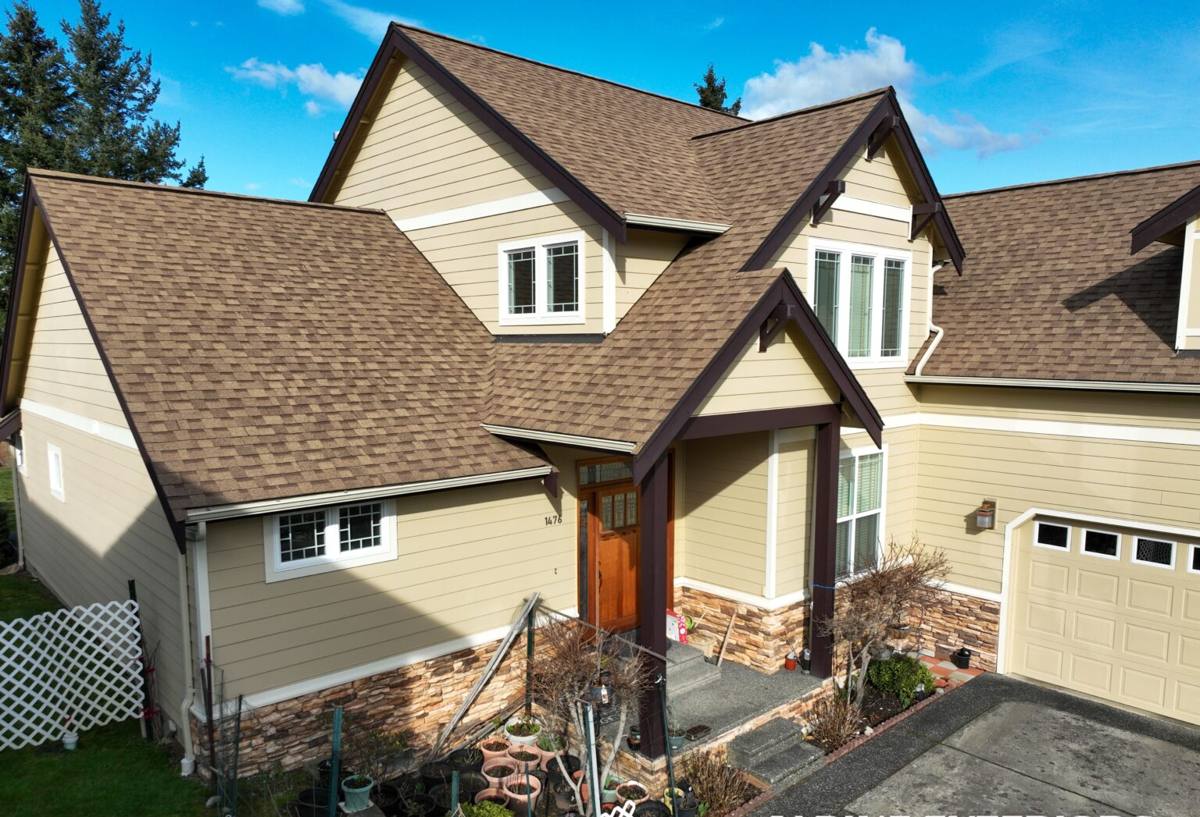
What Salt Air, Rain, and Moss Actually Do to a Roof
Salt Air and Corrosion
Proximity to the water means airborne salt settles on exposed metal surfaces — fasteners, flashing, panel edges — and accelerates oxidation over time. This is slow and easy to ignore for years, which is exactly why it matters: by the time corrosion is visible on a fastener head, the same process has usually been working on less visible connections underneath.
Driving Rain
Whatcom County doesn't just get rain, it gets wind-driven rain that hits roofs at an angle rather than falling straight down. This pushes water sideways into laps, seams, and flashing details that a calmer climate's roofing standards weren't necessarily designed around. A roof that's watertight in a light vertical rain can still leak under sustained horizontal wind-rain if the underlayment, flashing, and fastening details weren't built with that in mind.
Moss and Organic Growth
Shade, moisture, and mild temperatures are exactly what moss and algae need to thrive, and Barkley's tree cover combined with our wet season gives them plenty of both. Moss holds moisture against roofing material long after the surrounding air has dried out, and on some roofing types it can physically lift and separate material at the seams. Metal roofing doesn't eliminate the risk of moss taking hold in shaded, debris-collecting areas, but it removes the material for moss to root into and dramatically slows growth compared to porous roofing surfaces.
Signs a Barkley Roof Needs a Closer Look
- Streaking or dark patches on north-facing or shaded slopes — often the first visible sign of moss or algae colonization
- Rust-colored staining around fasteners, flashing, or panel edges
- Water stains on interior ceilings after wind-driven storms specifically, even if the roof seems fine in calm rain
- Granule buildup or shingle debris collecting in gutters (a sign the existing roof is breaking down and worth comparing against a metal replacement)
- Visible sagging or ponding at low-slope sections or valleys
- Loose, lifted, or missing flashing at chimneys, vents, and wall transitions
- Gutters overflowing during heavy rain due to debris or undersized drainage for the roof's actual runoff
Choosing the Right Metal Roofing System
Not all metal roofing is built the same way, and the right choice for a Barkley home depends on slope, budget, and how much of the roof is visible from the street. Here's how the common options compare for our specific climate conditions:
| System | Salt Air / Moisture Resistance | Moss Resistance | Typical Lifespan | Best Fit |
|---|---|---|---|---|
| Standing seam (concealed fastener) | Excellent — no exposed fastener heads to corrode | Very good, especially on steeper slopes | 40-60+ years | Full re-roofs, higher-visibility homes, long-term ownership |
| Exposed-fastener metal panel | Good, but fasteners need periodic inspection and eventual re-torquing or replacement | Good | 25-40 years | Budget-conscious re-roofs, outbuildings, secondary structures |
| Stone-coated steel | Good; coating adds a protective layer over the steel | Good, though coating texture can hold debris more than smooth panel | 30-50 years | Homes wanting a shingle or tile appearance with metal's core durability |
| Aluminum panel | Excellent — naturally corrosion-resistant, a common choice in coastal areas | Very good | 40-60 years | Properties closest to the water with the highest salt exposure |
For homes in Barkley within a few miles of the bay, we lean toward recommending either standing seam steel with a quality protective finish or aluminum panel, specifically because of the salt exposure. Exposed-fastener systems still have their place — they cost less and work well on outbuildings or lower-visibility roof sections — but they carry more long-term maintenance obligation in a salt air environment because every exposed fastener is a potential corrosion point.
What a Correct Installation Actually Involves
The panels themselves get most of the attention, but the details underneath and around them are what determine whether a metal roof performs well here for decades or develops problems within a few years.
Underlayment
Given how much wind-driven rain Whatcom County sees, we treat high-quality synthetic or self-adhered underlayment as non-negotiable, not an upgrade. This is the roof's backup layer if wind ever drives moisture past the panel seams, and it matters more here than in drier climates.
Fastening and Panel Spacing
Panels need to be fastened according to the manufacturer's wind-load specification, not a generic pattern — under-fastening is a real risk in a region that gets sustained wind events. Thermal movement also has to be accounted for so panels can expand and contract with temperature swings without stressing seams or fasteners.
Flashing and Transitions
Valleys, chimneys, skylights, and wall-to-roof transitions are where most roof leaks actually originate, metal or otherwise. Correctly formed and layered flashing — installed so water is always directed over the top of the layer beneath it, never trapped behind it — is what keeps these details watertight through years of driving rain.
Ventilation
Metal roofing performs best with proper attic or roof-deck ventilation. Poor ventilation traps moisture underneath the roofing system, which in our climate can lead to condensation issues that have nothing to do with the panels themselves but get blamed on the roof anyway.
How Our Process Works
- On-site assessment — we look at slope, current roofing condition, ventilation, moss and moisture patterns, and how exposed the home is to prevailing wind and salt air.
- System recommendation — we walk through panel type, finish, and color options against your budget and how long you plan to stay in the home, being upfront about trade-offs rather than upselling the most expensive option by default.
- Tear-off and deck inspection — old roofing is removed and the deck is inspected for rot or soft spots before anything new goes down; this is where hidden moisture damage from years of wet-dry cycling often surfaces.
- Underlayment and flashing installation — built for wind-driven rain, not just vertical rainfall.
- Panel installation — fastened and spaced to the manufacturer's specification for our wind and thermal conditions.
- Final walkthrough — we review the completed roof with you, including what maintenance to expect and what a normal versus concerning issue looks like going forward.
Maintaining a Metal Roof in This Climate
Metal roofing is lower-maintenance than most alternatives, but "low-maintenance" isn't "no-maintenance" in a climate like ours. A short annual routine goes a long way:
- Clear debris (needles, leaves, moss fragments) from valleys and around penetrations before fall rains arrive
- Check gutters and downspouts for buildup that can back water up under roof edges
- Look for early moss or algae growth in shaded areas and address it before it spreads
- Have fasteners on exposed-fastener systems inspected periodically, since these are the most common source of long-term issues in salt air
- Watch for any staining or streaking that could indicate a developing flashing issue
Trying to remove established moss with harsh pressure washing or improper chemicals can damage panel finishes and void warranties, so it's worth treating this as a routine inspection item rather than a DIY project once growth takes hold.
What Drives Cost on a Barkley Metal Roof
Costs vary enough by home and system that we won't quote a number without seeing the roof, but the main factors are consistent:
| Factor | Why It Matters |
|---|---|
| Roof size and complexity | More valleys, dormers, and penetrations mean more flashing work and labor time |
| Panel system chosen | Standing seam and aluminum typically cost more upfront than exposed-fastener panel |
| Existing roof condition | Deck repairs from hidden rot or moisture damage add cost that's only visible after tear-off |
| Slope and access | Steep or hard-to-access roofs require more safety setup and labor time |
| Ventilation upgrades | Adding or correcting ventilation during a re-roof is more cost-effective than doing it separately later |
Why Local, Barkley-Familiar Experience Matters
A roofing crew that primarily works inland or in drier parts of the state may build to a generic standard that simply isn't tested against Whatcom County's combination of salt exposure, wind-driven rain, and near-constant moss pressure. A crew that already works in and around Barkley has seen which flashing details actually hold up here, which fastener choices age poorly in salt air, and which shaded roof sections consistently need moss attention regardless of roofing material. That familiarity shows up less in the sales pitch and more in the small installation decisions that determine whether a roof is still performing well in year fifteen.
If you're weighing options for a Barkley home — whether that's a full metal roof replacement, a repair, or just an honest assessment of what your current roof needs — we're happy to take a look and give you a straightforward read on where things stand. Reach out for a free, no-pressure estimate using the form below.