 Whatcom County
 Asphalt Shingle Roofing Built for Happy Valley's Climate
Happy Valley sits close enough to the water and under enough tree cover that its roofs work harder than roofs in drier parts of the country. Salt-laden air off the bay, long stretches of driving rain, and a moss season that can run most of the year all chip away at a roof that isn't installed with this specific climate in mind. An asphalt shingle roof can absolutely hold up here for decades — but only if the materials, the underlayment, and the workmanship all account for what Whatcom County weather actually does to a roof, not just what a general installation manual assumes.
This page covers what a correct asphalt shingle roofing job looks like for a Happy Valley home: the local stresses on the roof, what goes into doing it right, how our process works, and why it matters to hire a crew that already knows this neighborhood's conditions rather than one learning on your dime.
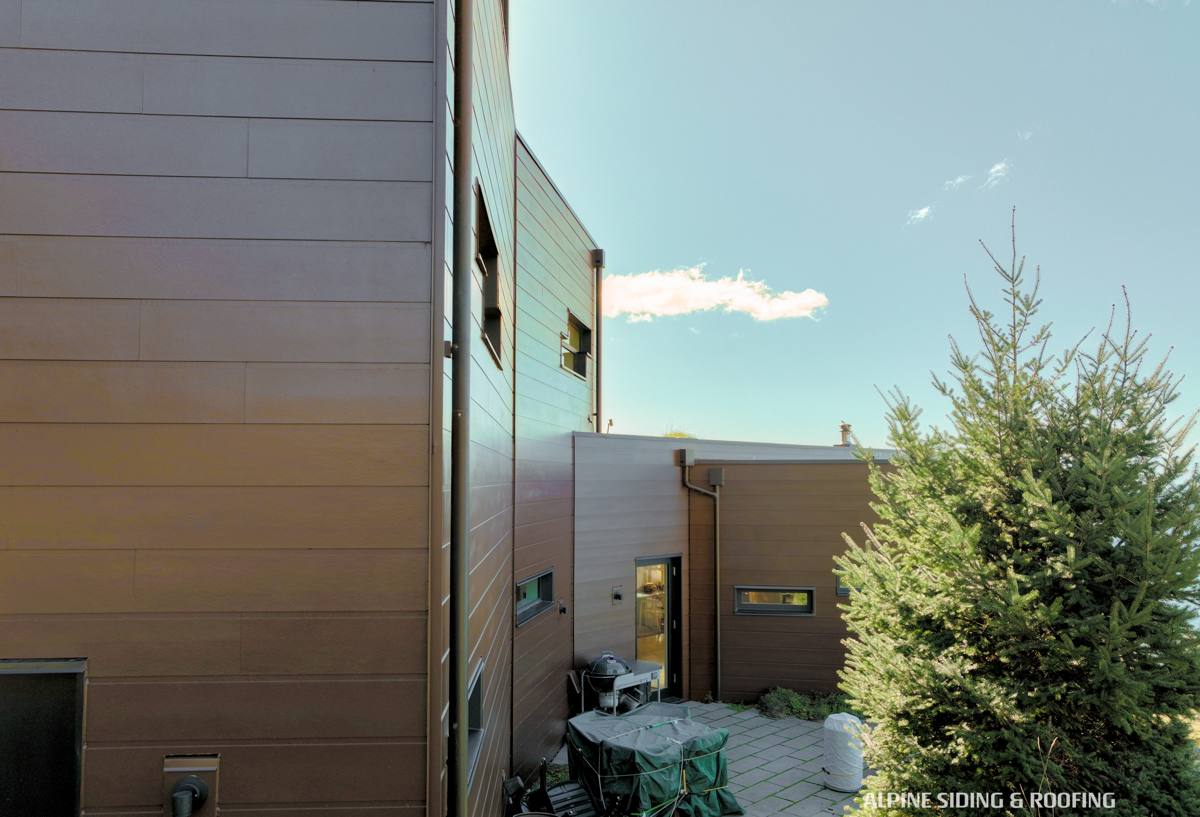
What Happy Valley's Climate Does to a Shingle Roof
Salt Air and Metal Fatigue
Even a few miles inland from Bellingham Bay, salt-carrying air accelerates corrosion on exposed metal — flashing, nail heads, gutter hardware, and vent stacks. Standard galvanized fasteners and thin flashing can start rusting years before they would in a dry inland climate. We spec corrosion-resistant fasteners and flashing on every roof in this area as a baseline, not an upgrade.
Driving Rain and Wind-Driven Wetting
Whatcom County storms rarely come straight down. Wind-driven rain pushes water sideways and upward under shingle edges, at valleys, and around any penetration — chimneys, skylights, plumbing vents. A roof that only handles vertical rainfall well will still leak here. Proper lap technique, sealed valleys, and correctly integrated flashing matter more in this climate than in calmer regions.
Moss, Algae, and Prolonged Dampness
Many Happy Valley lots have mature tree cover, and shaded, damp roof sections stay wet longer after every rain. That's exactly the environment moss and algae need to take hold. Once moss establishes itself on a shingle roof, it lifts shingle edges, holds moisture against the roof deck, and speeds up granule loss — all of which shorten the roof's life well before it would otherwise need replacing.
What a Correct Installation Includes Here
A shingle roof that's built for this climate isn't just "shingles nailed to plywood." The parts you don't see matter as much as the parts you do:
- Ice-and-water shield at eaves and valleys — a self-adhering waterproof membrane where wind-driven rain and ice damming are most likely to force water backward under the shingles.
- Synthetic underlayment across the full deck — a secondary water barrier that's more tear- and moisture-resistant than old felt paper, which matters through a long wet season.
- Balanced attic ventilation — intake at the eaves and exhaust at the ridge, sized to the attic volume, so trapped moisture doesn't condense under the deck and rot it from below.
- Step and counter-flashing at every wall and chimney intersection — not just roof cement, which degrades and fails over time.
- Algae-resistant shingles in shaded or tree-covered sections, where standard shingles will streak and green up faster.
- Corrosion-resistant fasteners and flashing metals, given the salt-air exposure common across the area.
Signs a Happy Valley Roof Needs Attention
Because moss and moisture-driven wear happen gradually, homeowners often don't notice a problem until it's affecting the interior. Watch for:
- Moss or dark green/black streaking on shingles, especially on north-facing or shaded slopes
- Granules collecting in gutters or at downspout outlets
- Shingle edges that look lifted, curled, or cupped
- Soft or discolored ceiling spots after a heavy rain
- Visible rust staining around flashing, vents, or nail heads
- Sagging along the ridge or in valleys
- Daylight visible through the attic roof deck
Any one of these is worth a look before the next storm season, not after.
Our Asphalt Shingle Roofing Process
1. Inspection and Assessment
We start by getting on the roof, not just looking at it from the ground. We check the deck condition, existing ventilation, flashing points, and how much moss or moisture damage is already present, then walk you through what we find in plain terms.
2. Tear-Off and Deck Repair
Old shingles come off completely — we don't layer new shingles over old ones, since that traps moisture and voids most manufacturer warranties. Any soft or rotted deck sections get replaced before anything new goes down.
3. Underlayment and Water-Barrier Detail Work
Ice-and-water shield goes in at eaves, valleys, and around penetrations first, followed by synthetic underlayment across the full field. This is the layer that protects your home even if a shingle is ever damaged.
4. Flashing and Ventilation
New step flashing, counter-flashing, and vent boots go in at every wall, chimney, and roof penetration. We confirm intake and exhaust ventilation are balanced so the attic can actually dry out between wet spells.
5. Shingle Installation
Shingles are installed to manufacturer nailing and exposure specs — not shortcuts — with attention to valleys and edges where wind-driven rain causes the most trouble.
6. Cleanup and Walkthrough
We clear debris and nails from the yard and gutters, then walk the finished roof with you and explain any maintenance specific to your home's shade and slope conditions.
Choosing the Right Shingle for This Climate
Not every asphalt shingle product handles a wet, shaded, salt-influenced climate the same way. Here's how the common options compare for a Happy Valley home:
| Shingle Type | Typical Lifespan Here | Moss/Algae Resistance | Best For |
|---|---|---|---|
| 3-Tab Asphalt | 15–20 years | Low unless treated | Budget-conscious re-roofs on sunnier, less shaded slopes |
| Architectural (Laminate) Asphalt | 25–30 years | Moderate to good with algae-resistant granules | Most Happy Valley homes; better wind and impact performance |
| Algae-Resistant Architectural | 25–30 years | Best available in asphalt | Shaded, tree-covered, or north-facing roof sections |
For most homes in this neighborhood, we recommend architectural shingles with algae-resistant granules as the standard, not the upgrade — the added cost is modest relative to the extra years of clean appearance and slower moss regrowth.
Moss and Algae Prevention That Actually Works
A good installation reduces moss problems, but ongoing prevention still matters in a climate this wet and shaded:
- Zinc or copper strips installed near the ridge let rain carry trace metal ions down the roof, which discourages new moss growth over time.
- Keeping overhanging branches trimmed back reduces both shade and the organic debris that feeds moss.
- Gutters clear of needles and leaves prevent water from backing up under the shingle edge.
- Gentle, low-pressure moss removal (never high-pressure washing, which strips granules and shortens shingle life) keeps existing moss from spreading.
What Affects the Cost
| Factor | Why It Matters |
|---|---|
| Roof size and pitch | Steeper roofs take longer and require more safety setup |
| Deck condition | Rotted sheathing found during tear-off adds material and labor |
| Number of penetrations | Each chimney, skylight, or vent needs its own flashing detail |
| Shingle grade chosen | Algae-resistant and architectural shingles cost more than 3-tab |
| Tree cover and access | Heavy shading affects material choice; tight access affects labor time |
Every home is different, so we give firm numbers only after an on-roof inspection — but we're happy to walk through general ranges and trade-offs during that visit.
Why Hiring a Crew That Knows Happy Valley Matters
A roofer who mainly works drier, less shaded regions may not default to algae-resistant shingles, may skip the extra flashing detail wind-driven rain requires here, or may not think to check ventilation balance in a roof shaded most of the day. None of that shows up as a problem on day one — it shows up two or three years later as moss, a leak, or premature granule loss. Working this specific climate regularly means those details are standard practice for us, not an afterthought.
Simple Maintenance Homeowners Can Do Between Visits
- Clear gutters and downspouts at least twice a year, more often under heavy tree cover
- Look for moss or streaking from the ground after the wet season each year
- Trim back branches that touch or overhang the roofline
- Have flashing and attic ventilation checked every few years, even if the roof looks fine from below
If your Happy Valley roof is showing moss, streaking, or you're just not sure how much life it has left, we're glad to take a look. A free, no-pressure estimate gets you a straight answer and a clear picture of your options — no obligation either way. The form below will get that scheduled.