 Whatcom County
 Windows Built for Silver Beach's Climate
Silver Beach sits on the shore of Lake Whatcom, and that changes what a window replacement needs to do here compared to a house a few miles inland. Homes along the lake deal with steady humidity coming off the water, heavy tree cover that keeps siding and trim wet longer after a storm, and the driving rain that rolls through Whatcom County for much of the year. Add in the salt-tinged marine air that moves through this part of Washington and a long moss season that stretches well past spring, and you've got conditions that are hard on window frames, seals, and hardware even when the glass itself still looks fine.
We install windows in Silver Beach as part of our regular route through Whatcom County, not as an occasional side trip. That matters more than it sounds like it should — the failure patterns here are specific, and knowing them ahead of time changes how we flash an opening, what frame material we recommend, and where we tell homeowners to expect trouble first.
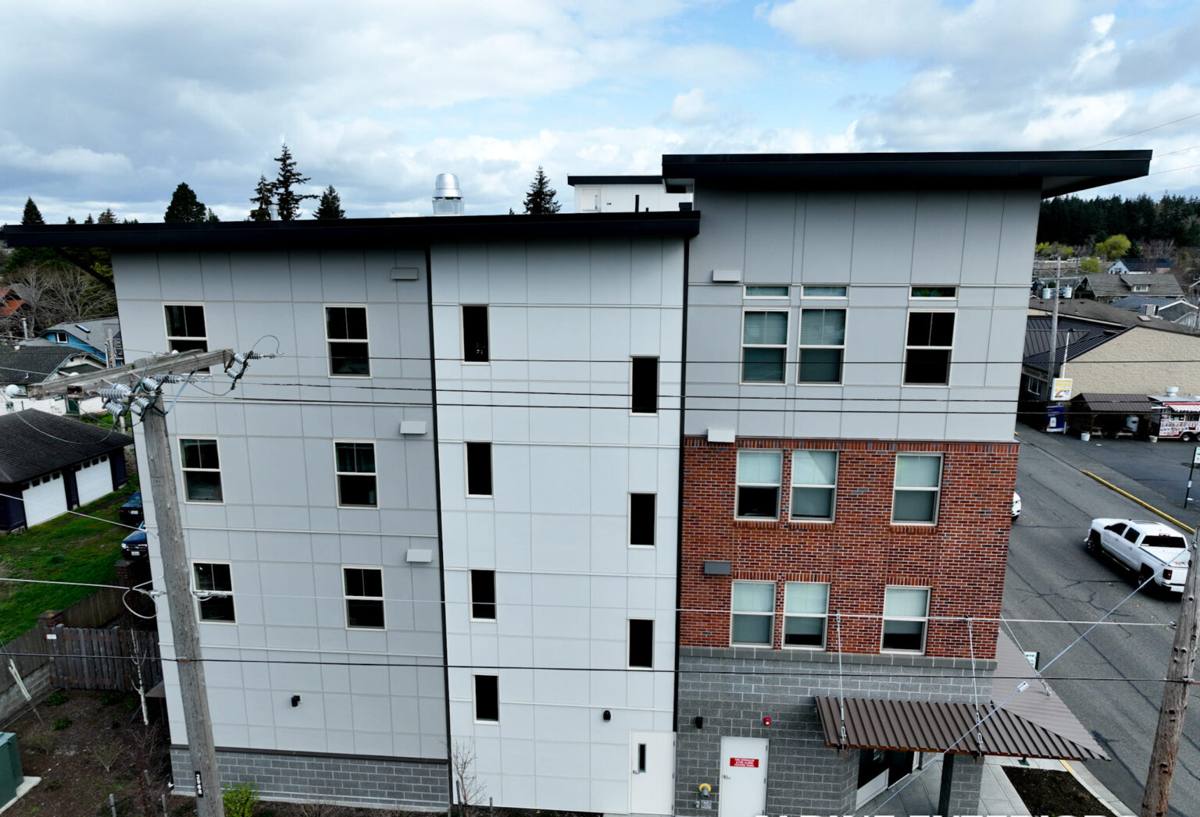
What Silver Beach Homes Are Up Against
Lake Humidity and Condensation
Proximity to Lake Whatcom keeps ambient humidity higher than you'd get on a drier inland lot. That moisture finds its way into window cavities through failed caulk lines, worn weatherstripping, and old flashing details that were never built to handle sustained dampness. Over time it shows up as fogging between panes, soft spots in wood sills, or a persistent musty smell near the window frame — all signs that moisture is getting in and not drying out.
Moss, Mildew, and Shaded Exposure
Many lots around Silver Beach have significant tree cover, which is part of the appeal of living there but also means less direct sun to dry out siding, trim, and window sills after rain. That extended damp period is exactly what moss and mildew need to take hold. Once organic growth establishes itself around a window's exterior trim, it holds moisture against the wood or composite material and accelerates rot that would otherwise take years to show up.
Driving Rain and Wind Exposure
Whatcom County gets a lot of sideways rain, not just straight-down rain, and lakeside lots often catch more wind than sheltered inland streets. Wind-driven water tests a window's flashing and sealant far harder than a calm rainstorm does. This is where a lot of older installations — and even some newer ones done without local know-how — start to fail first, usually at the corners and along the bottom sill where water collects.
Signs Your Windows Need Attention
Most window failures don't happen overnight. They show up gradually, and homeowners often adjust to small problems — a stuck sash, a drafty corner — without realizing they're early warning signs. Here's what we tell Silver Beach homeowners to watch for:
- Fogging or a cloudy haze between panes of double-pane glass — the seal has failed and the gas fill is gone
- Visible gaps or daylight around the frame when the window is closed
- Soft, spongy, or discolored wood on the sill, jamb, or exterior trim
- Moss or dark streaking building up on the trim or siding directly around a window
- Windows that are hard to open, close, or lock, especially after a wet stretch of weather
- A noticeable draft or cold spot near the window in winter
- Condensation forming on the inside of the glass regularly, even with normal indoor humidity
- A musty smell near the window that doesn't go away with cleaning
Any one of these on its own might not mean full replacement is needed. Several together, especially on a window facing the prevailing weather, usually means the assembly has been letting moisture in for a while.
What a Correct Window Replacement Involves
Removal and Opening Inspection
Pulling the old window is where we find out what's actually happening behind the trim. In a climate like this, it's common to find water staining, soft framing, or old flashing tape that's brittle and no longer sealing anything. We don't just drop a new window into a bad opening — if the sheathing or framing underneath is compromised, that gets addressed before anything new goes in. Skipping this step is the single biggest reason window replacements fail early in wet climates.
Flashing and Water Management
This is the part of the job that doesn't show once it's done, and it's the part that matters most here. Proper flashing directs water down and away from the opening using a shingled, overlapping sequence — sill pan first, then side flashing, then head flashing — so water always sheds outward instead of pooling against the frame. In a neighborhood with this much rain and humidity, corner-sealed flashing tape and a properly sloped sill pan aren't optional extras; they're the difference between a window that lasts and one that needs replacing again in a decade.
Frame Selection and Glass Package
We talk through frame material and glass options based on the specific exposure of each opening — a window that takes direct wind and rain off the lake gets a different recommendation than one tucked under an eave on the sheltered side of the house. Double or triple-pane glass with a low-E coating and argon fill helps with both energy performance and condensation resistance, which matters in a humid, shaded environment where interior condensation is a common complaint.
Comparing Frame Materials for This Climate
There's no single "best" window material — the right choice depends on budget, exposure, and how much upkeep you want to take on. Here's how the common options stack up for a lakeside, high-moisture, moss-prone setting like Silver Beach:
| Material | Moisture Behavior | Maintenance | Typical Lifespan |
|---|---|---|---|
| Vinyl | Won't rot; seams and corner welds are the weak point if not installed well | Low — occasional cleaning | 20–30 years |
| Fiberglass | Very stable, resists moisture and expansion/contraction well | Low | 30–40 years |
| Wood | Handsome but needs a sound paint or finish barrier; vulnerable in shaded, damp spots | High — regular repainting/sealing | Varies widely with upkeep |
| Wood-clad (wood interior, composite/metal exterior) | Exterior sheds water well; interior still needs some care | Moderate | 25–35 years with maintenance |
For most Silver Beach homes we lean toward vinyl or fiberglass on the exposed, weather-facing sides of the house — not because wood windows are a bad product, but because a shaded, humid lot puts more demands on a painted wood finish than most homeowners want to keep up with year after year. Where wood or wood-clad windows fit the home's character, we'll say so, but we're honest about the maintenance commitment that comes with them here.
Our Process, Start to Finish
1. On-Site Assessment
We walk the exterior and interior of each window opening, note existing damage, drafts, or moisture signs, and measure for an accurate fit. This is also when we flag any openings that will need extra flashing or framing repair.
2. Straightforward Estimate
You get a clear estimate broken down by window, material, and any additional repair work — no vague lump-sum number and no pressure to decide on the spot.
3. Careful Removal and Prep
Old windows come out cleanly, the opening gets inspected and repaired if needed, and we prep the surface for proper flashing before anything new goes in.
4. Installation and Flashing
New windows are set plumb and square, sealed and flashed in the shingled sequence that keeps water moving outward, and insulated around the frame to cut drafts.
5. Walkthrough and Cleanup
We test every window for smooth operation and a tight seal, clean up the work area, and walk the job with you before we consider it finished.
Why a Local Whatcom County Crew Matters Here
A window installer who mostly works drier, sunnier regions can put in a technically fine window that still fails early on a Silver Beach lot, simply because they under-flashed it or picked a material that can't handle sustained lake humidity and shade. We work this climate every week — Whatcom County's rain patterns, the moss cycle, the way lakeside wind hits certain exposures harder than others — and that experience shapes real decisions on the job, not just talking points in a sales pitch. It also means we're not guessing about local permitting or code requirements; we know what's typically expected for window replacements in this area and build that into the estimate up front, not as a surprise later.
Energy Efficiency and Long-Term Value
Old, failing windows don't just let water in — they let conditioned air out. Gaps around a warped frame or a failed seal force your heating system to work harder, especially through a Whatcom County winter with persistent damp cold. A properly installed, well-sealed replacement window with a good glass package pays back in comfort immediately: fewer drafts, less condensation on the glass, and a more even temperature near exterior walls. Over the life of the window, that efficiency plus the avoided cost of repairing moisture damage down the road is where the real value shows up — not just in the upfront price tag.
If your windows are showing any of the signs above, or you'd simply like an honest read on their condition, we're happy to take a look. Reach out for a free, no-pressure estimate — we'll walk the property, answer your questions straight, and give you a clear picture of what a correct window replacement would involve for your home.